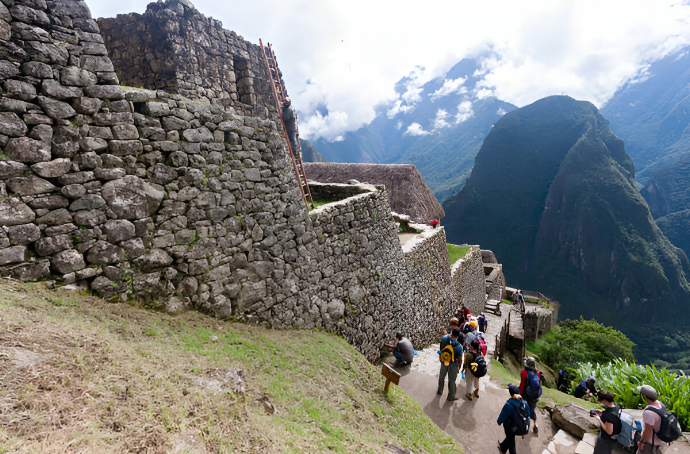
Ollantaytambo is the only Inca town in Peru still laid out on its original 15th-century urban grid. Walk its cobblestone streets today and you’re walking the plan Pachacuti’s architects set out. The fortress above the town is where the Inca Manco briefly defeated the Spanish in 1537 — a rare win in the conquest and still visible in the half-finished temple at the top.
Historical significance:
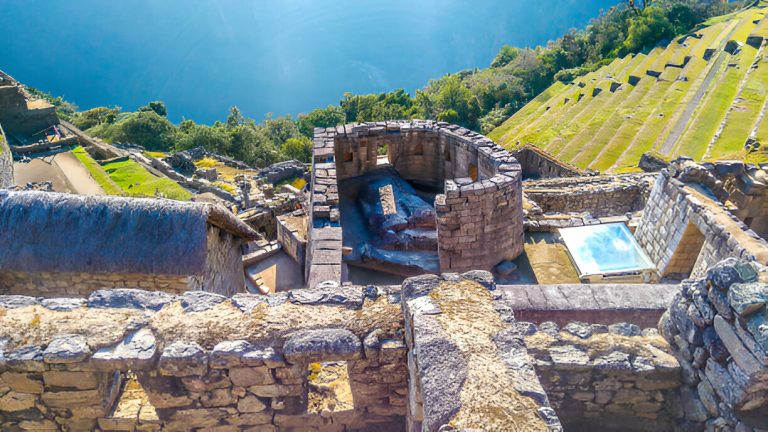
Ollantaytambo was a dual-purpose site: military garrison, agricultural centre, and ceremonial complex. The terraced hillsides supplied the town; the temple at the top of the fortress aligns with the June solstice sunrise.
Well-preserved ruins:
The Temple of the Sun’s six monoliths were quarried 6 km upstream and dragged across the river. The Princess Baths (Baño de la Ñusta) still carry running water through their stone channels. The Pinkuylluna granaries on the opposite cliff are a 90-minute scramble up loose stone — the view back at the fortress is the one worth the climb.
Gateway to Machu Picchu:
Ollantaytambo station is the main departure point for the train to Machu Picchu. Most PeruRail and Inca Rail services leave from here, so an Ollantaytambo overnight is the fastest route into the citadel the next morning.
Shuttle service to Cusco:
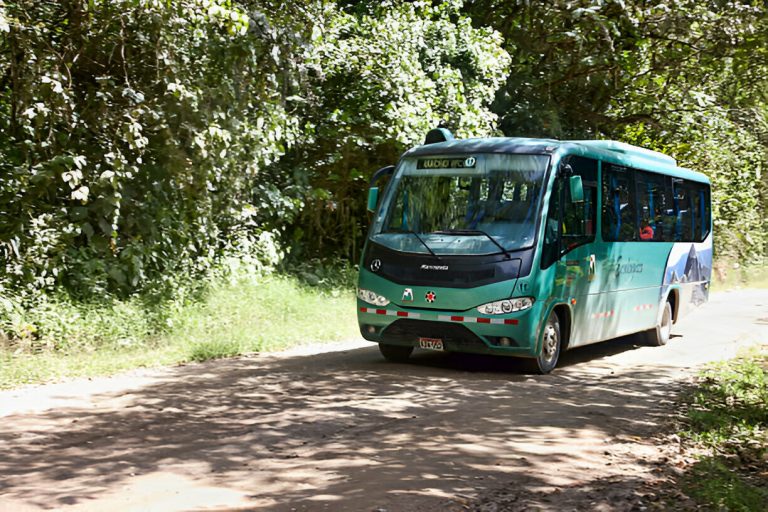
PeruWays runs a Cusco–Ollantaytambo shuttle (90 minutes, picks up from your hotel). It’s the standard first leg of a Machu Picchu trip and the easiest way to connect the Sacred Valley with the city.
Ollantaytambo rewards travelers who stay a night rather than just change trains. The town empties out after 5pm when the day-trippers leave for Cusco, and the fortress at dusk is a different experience from the fortress at midday.