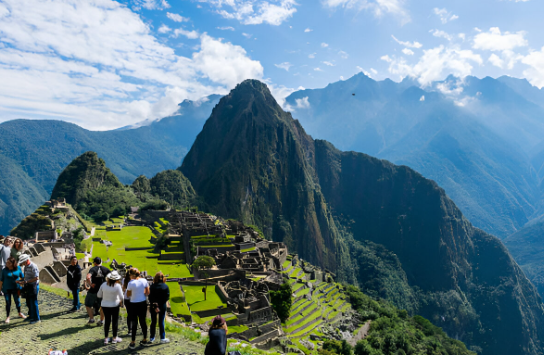
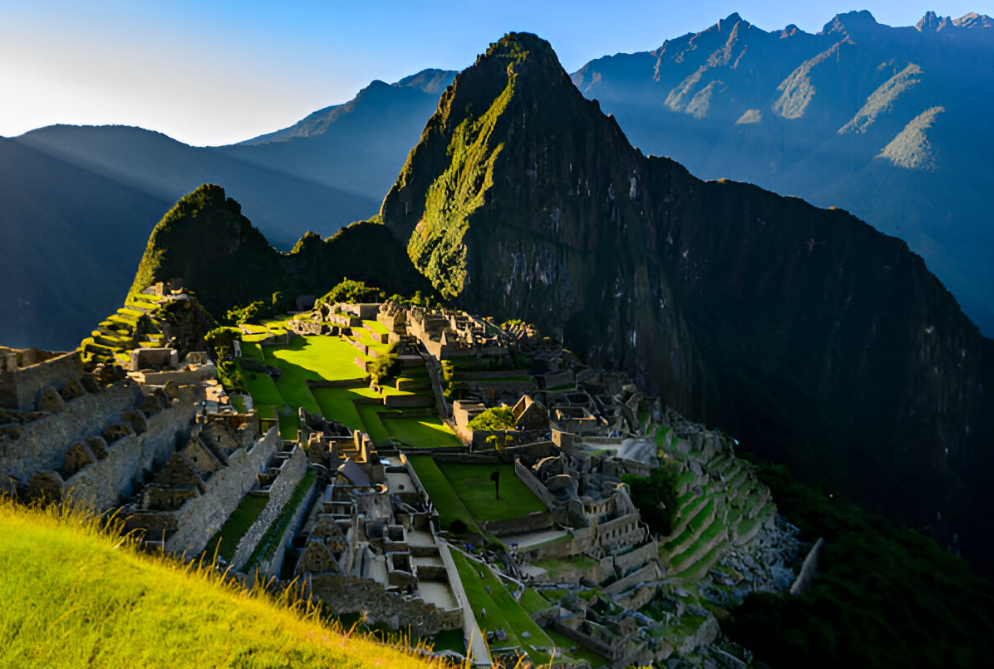
Ollantaytambo, a charming town nestled in Peru’s Sacred Valley, stands at an elevation of approximately 2,792 meters (9,160 feet) above sea level. Known for its well-preserved Incan architecture and rich cultural history, Ollantaytambo serves as a key gateway to Machu Picchu. However, the town’s altitude can be a significant factor to consider when planning your visit.
Travelers unaccustomed to high elevations may experience altitude sickness, characterized by symptoms such as headaches, nausea, and shortness of breath. To minimize these effects, it is advisable to acclimatize gradually. Spending a few days in Cusco, which is situated at a similar altitude, can help your body adjust to the thinner air before you explore Ollantaytambo and its surroundings.
Staying hydrated is crucial at high altitudes. Drink plenty of water and consider consuming coca tea, a traditional remedy believed to alleviate altitude sickness symptoms. It’s also wise to pace yourself and take breaks while sightseeing, particularly when visiting the town’s famous archaeological sites, which often require climbing steep stairs.
Ollantaytambo’s unique elevation not only affects your physical comfort but also enhances the stunning views of the surrounding Andean mountains. The elevated position provides breathtaking panoramas, making it a photographer’s dream.
For more detailed information and travel tips, Peruways offers comprehensive guides on acclimatization, local attractions, and practical advice for a smooth journey. Their expert insights ensure that you can enjoy the historical and scenic beauty of Ollantaytambo without discomfort.
Plan your visit to Ollantaytambo with confidence, and let Peruways help you navigate the altitude and make the most of your Peruvian adventure.