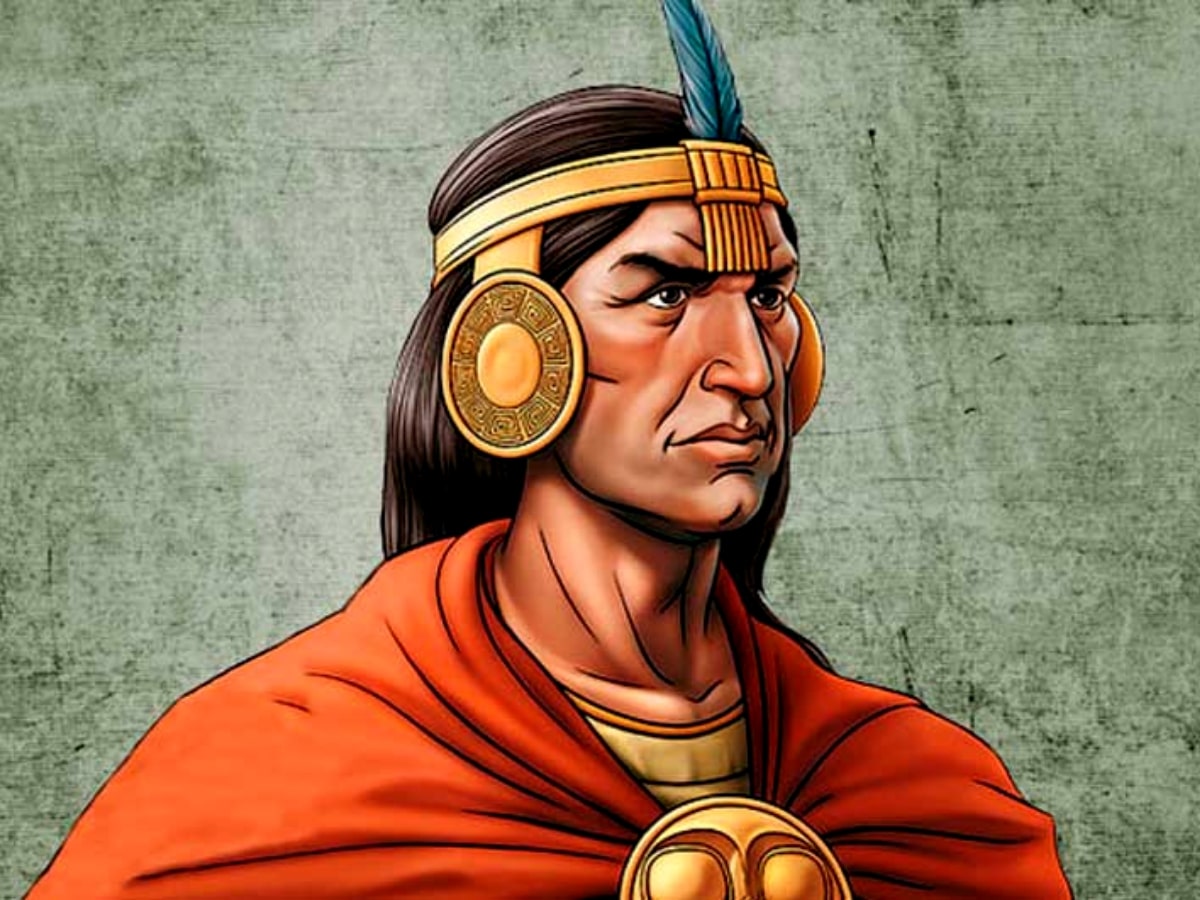
When visitors explore the majestic ruins of Machu Picchu or walk through the ancient streets of Cusco, they are witnessing the legacy of one of the greatest figures in Andean history: Pachacutec, the ninth ruler of the Inca Empire and the visionary architect behind its golden age.
Born in the early 15th century, Pachacutec (whose name means “Earth Shaker”) transformed the Kingdom of Cusco from a regional power into Tawantinsuyo—the largest empire ever seen in pre-Columbian America. His reign marked a turning point, both politically and architecturally, as he reorganized the state, expanded its borders, and commissioned some of the most extraordinary structures the world has ever seen.
The Rise of a Visionary Leader
Pachacutec came to power around 1438 AD during a time of crisis. The Chanca people had invaded Inca territory and threatened to conquer Cusco. According to legend, while others fled, Pachacutec stood his ground and rallied his people to victory, earning him the throne and the deep respect of his subjects.
Once in power, he initiated sweeping reforms. He restructured the government, established an efficient administrative system, and enforced a unifying language—Quechua—across his empire. But Pachacutec’s legacy is most visible in stone.
The Master Builder
Pachacutec was not just a warrior or statesman—he was also a master planner and builder. He is widely believed to have ordered the construction of Machu Picchu, the Inca citadel perched high in the Andes, which remains one of the world’s most awe-inspiring archaeological wonders. The site showcases the Incas’ unmatched engineering skills, featuring precise stonework, advanced terracing, and sophisticated water systems.
Beyond Machu Picchu, Pachacutec reshaped Cusco, turning it into a monumental city laid out in the shape of a puma, a sacred animal. He rebuilt temples, created plazas, and oversaw the development of the Qorikancha (Temple of the Sun), once the most important religious center in the Inca Empire.
Under his leadership, the Incas developed an intricate network of roads and suspension bridges that connected the farthest corners of the empire—from present-day Colombia to Chile. These innovations allowed for swift communication, military movement, and trade, reinforcing his control over vast and diverse territories.
His Lasting Legacy
Pachacutec passed away around 1471, but his influence endured for generations. He laid the foundation for a civilization that thrived until the Spanish conquest in the 16th century. Today, his spirit lives on in the magnificent ruins and the enduring traditions of the Andean people.
For travelers seeking to connect with this rich history, visiting the sites Pachacutec helped create is an unforgettable experience. Standing among the stone terraces of Machu Picchu or tracing the ancient roads of the Sacred Valley, one can truly appreciate the brilliance and ambition of the Inca Earth Shaker.
Ready to walk in the footsteps of Pachacutec?
Book your journey to Machu Picchu and beyond at PeruWays.com — your trusted partner for discovering the wonders of ancient Peru.