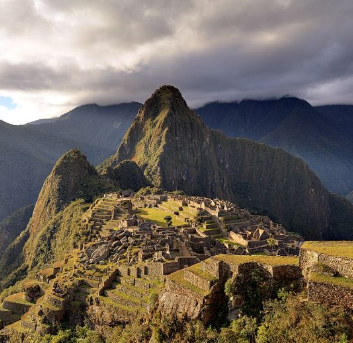

Machu Picchu sits on a ridge at 2,430 metres between the Huayna Picchu and Machu Picchu peaks, deep in the eastern Andes. It was built in the mid-15th century — likely as a royal estate for the Inca ruler Pachacuti — and abandoned less than a century later, before Spanish forces ever reached it.
What survived is one of the great works of pre-industrial construction. Mortarless walls, hidden drainage, and solstice-aligned buildings that still function astronomically.
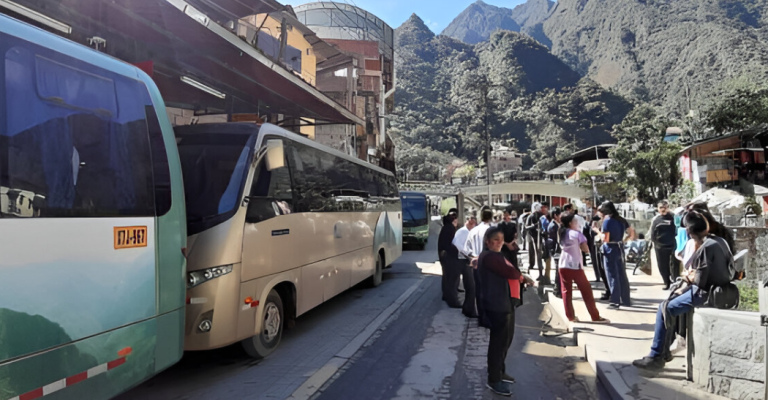
Getting to Machu Picchu is a journey. Most travelers take the train from Cusco or the Sacred Valley to Aguas Calientes, then the 25-minute shuttle bus to the ruins’ entrance. The four-day Inca Trail trek, permit-dependent, approaches via the Sun Gate at dawn.
Core structures: the Temple of the Sun, aligned to the winter solstice; the Room of the Three Windows on the Sacred Plaza; and the Intihuatana ritual stone, an astronomical marker.
Two or three hours covers most of the main circuits — more if you add Huayna Picchu or the Sun Gate walk.