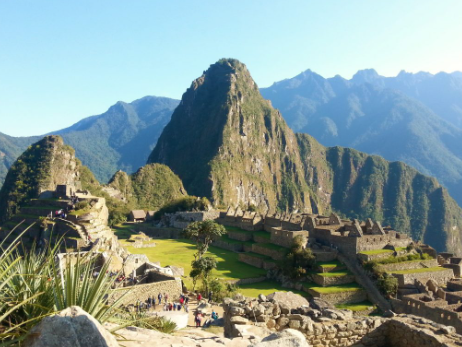
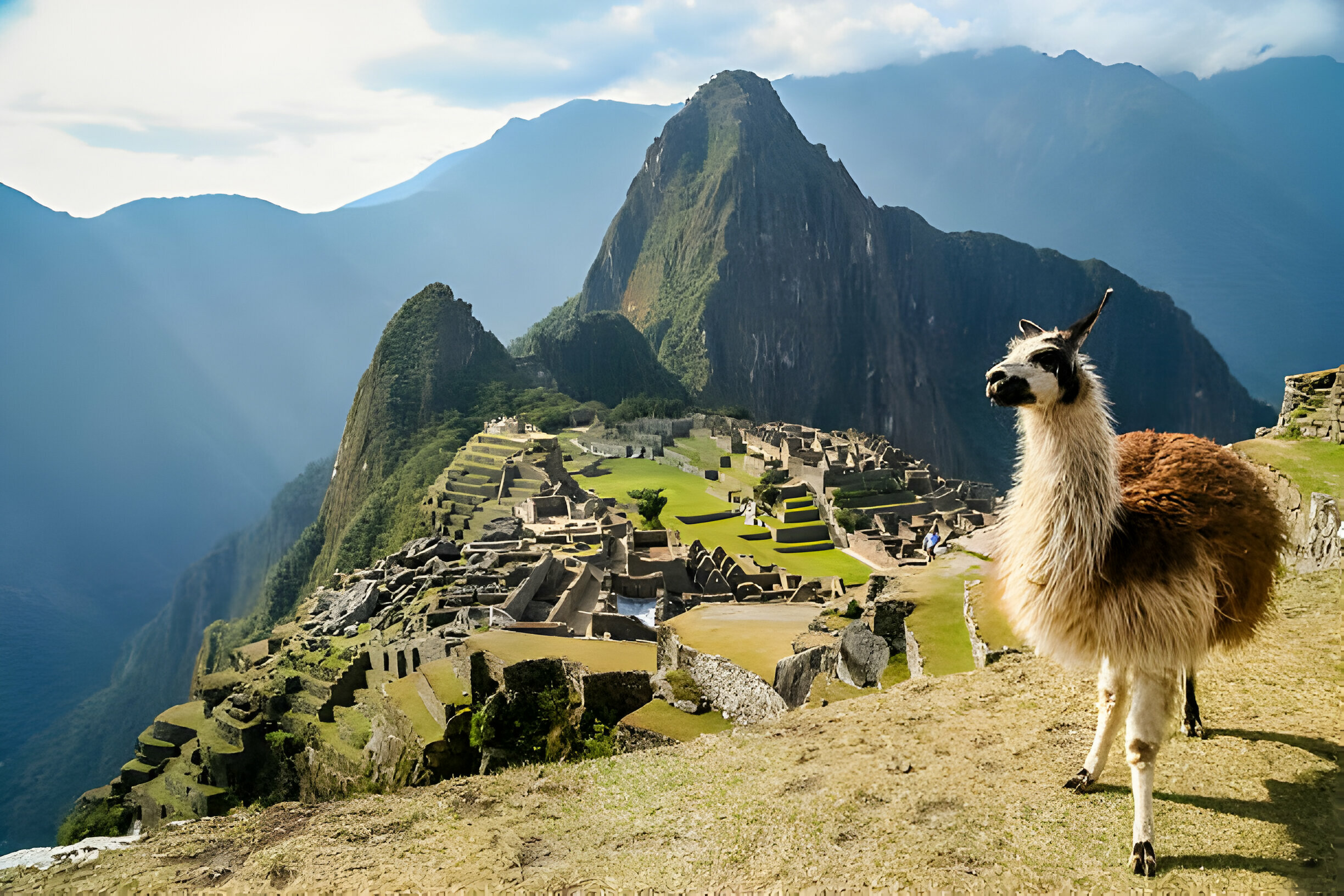
Machu Picchu’s stone staircases are the quiet engineering story of the site. Cut from the ridge itself and set without mortar, they thread between the temples, terraces and residential blocks — part of the UNESCO site that still handles the same foot traffic it did five hundred years ago.
Function came first. The flights moved people, water, textiles and food between the agricultural sector at the lower terraces and the urban sector on the upper platform. Ritual came layered over that: climbing in Inca thought was itself a form of approach, closer with each riser to the hanan pacha and the mountain apus.
Walk the stairs today and the pattern reveals itself — ceremonial fountains fed by channels inside the walls, carved outcrops that double as altars, viewpoints that open onto the Urubamba gorge. The gradient is steep in places; grippy shoes help on the polished stones.
Peruways runs guided climbs that read the stonework in context — the quarries, the solstice alignments, the fit of blocks that still holds through earthquakes five centuries later.