Rising high in the Andes Mountains of Peru, Machu Picchu is one of the world’s most breathtaking travel destinations. But before you stand among its ancient stone terraces and panoramic peaks, it’s important to understand the physical strength and preparation needed to fully enjoy the journey.
Whether you hike the legendary Inca Trail or arrive by train and explore the site on foot, visiting Machu Picchu is more than just sightseeing — it’s a high-altitude adventure.
Understanding the Altitude Challenge
One of the biggest physical factors is altitude. Cusco, the gateway city to Machu Picchu, sits at about 3,400 meters (11,150 feet) above sea level. Even Machu Picchu itself stands at approximately 2,430 meters (7,970 feet).
If you’re traveling from sea level, your body needs time to adjust. At higher elevations, oxygen levels are lower, which can lead to shortness of breath, fatigue, headaches, or mild altitude sickness. Good cardiovascular endurance helps your body adapt more efficiently, making activities like climbing stone steps and walking uphill far more manageable.
Tip: Arrive in Cusco at least 1–2 days early to acclimatize before beginning any major hikes.
Strength and Endurance on the Trails
If you plan to hike to Machu Picchu, especially via the Inca Trail, physical preparation becomes even more important. The trek typically lasts 4 days and includes:
Long daily hikes (6–10 hours)
Steep ascents and descents
Uneven stone pathways
Thousands of ancient steps
Strong leg muscles, core stability, and overall endurance are essential. Training beforehand with stair climbing, hiking, or incline walking can significantly improve your experience. You don’t need to be a professional athlete, but a moderate level of fitness will allow you to focus on the scenery rather than exhaustion.
Exploring the Citadel Itself
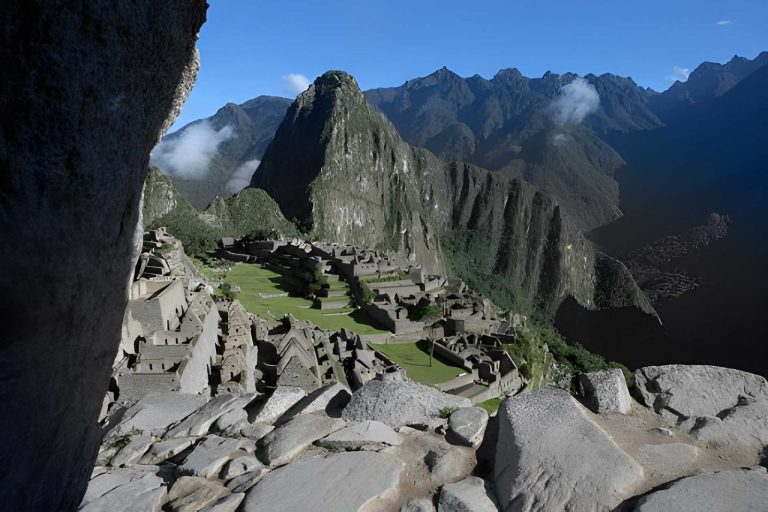
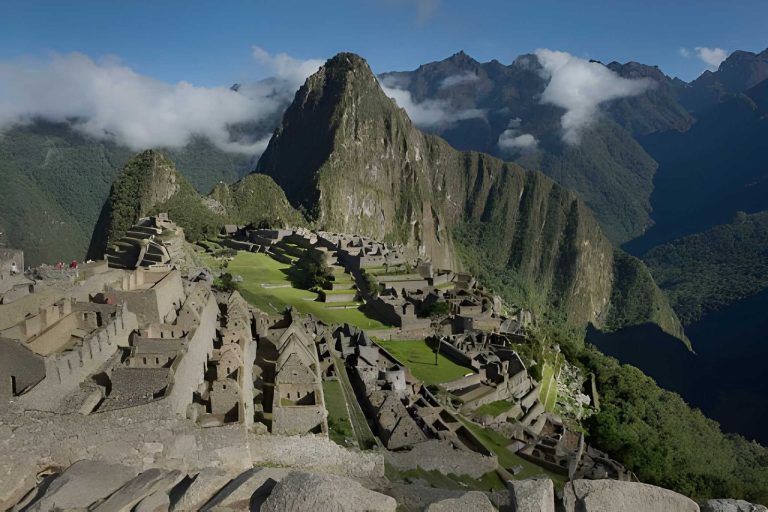
Even if you choose the train route to Machu Picchu, don’t underestimate the physical effort required once inside the archaeological site. The layout includes terraces, narrow pathways, and steep staircases. Climbing to viewpoints such as the Sun Gate or Huayna Picchu demands balance, leg strength, and stamina.
The reward? Unforgettable panoramic views of the Andes and a deep connection to the history of the Inca civilization.
Mental Strength Matters Too
Physical strength is only part of the journey. Hiking in high-altitude conditions requires mental resilience. Weather can change quickly, paths can be challenging, and fatigue can test your determination. Staying hydrated, pacing yourself, and maintaining a positive mindset are key to reaching the summit feeling empowered.
Preparing Your Body Before You Go
To get ready for Machu Picchu, consider:
Cardio training (walking, jogging, cycling)
Stair or hill workouts
Strength training for legs and core
Stretching and flexibility exercises
Proper hydration habits
Consistency is more important than intensity. Start preparing at least 4–6 weeks before your trip.
The Strength Behind the Reward
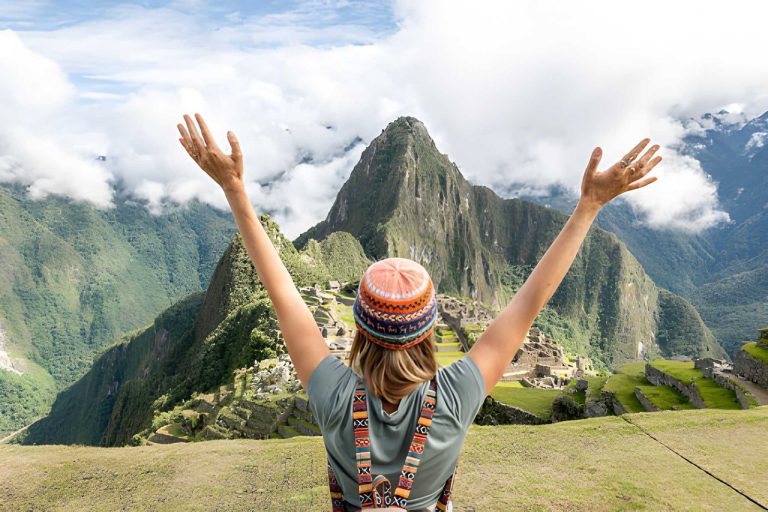
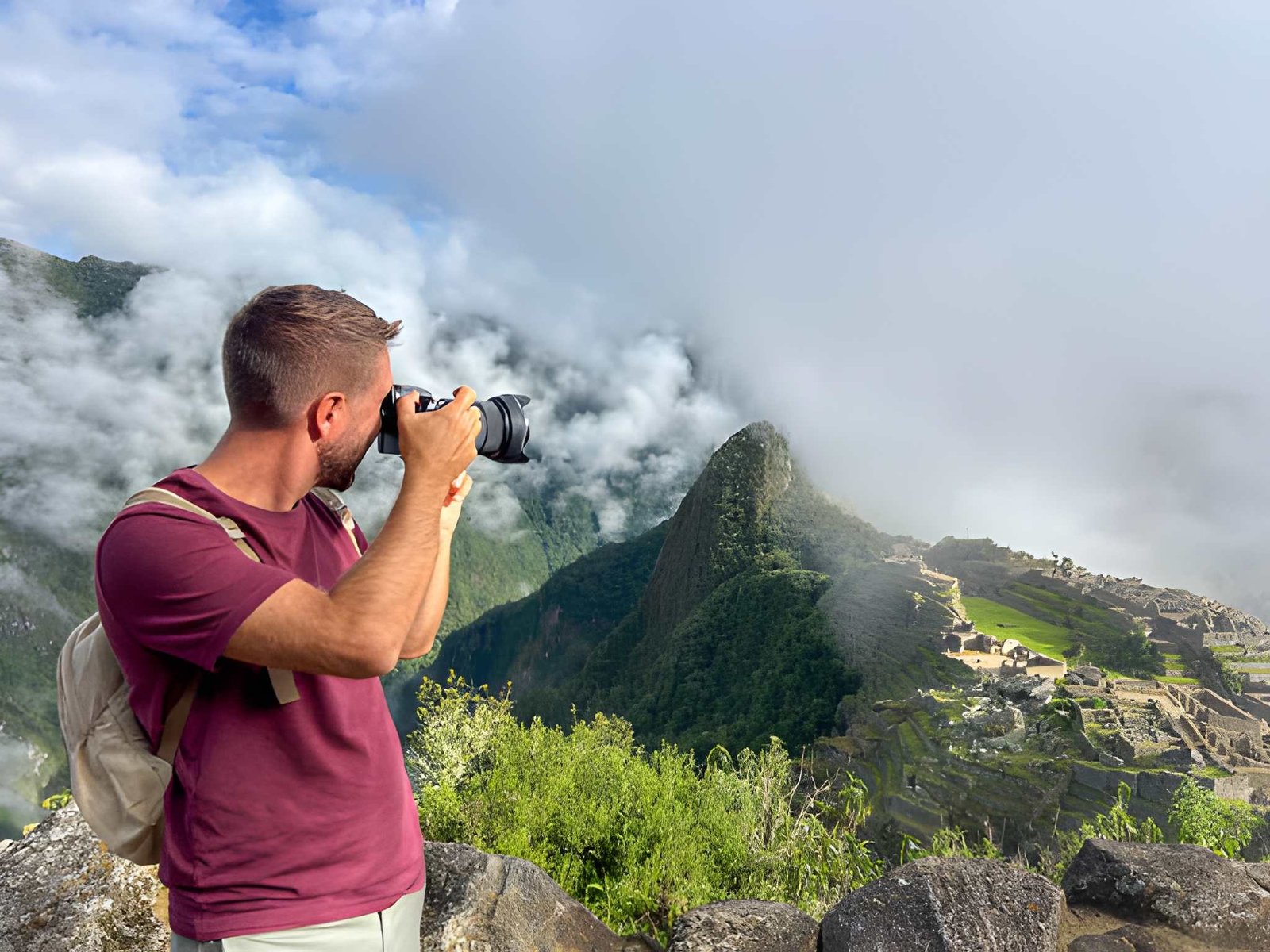
The physical effort required to visit Machu Picchu is part of what makes the experience so powerful. Standing at the summit, surrounded by mist-covered peaks, you’ll feel a profound sense of accomplishment.
At Peruways, we specialize in helping travelers prepare for and experience Machu Picchu the right way — safely, comfortably, and confidently. Whether you’re looking for guided treks, customized tours, or expert advice, our team is here to support your journey from sea level to summit.
Ready to take the first step? Visit us at https://peruways.com and book your unforgettable Machu Picchu adventure today.