High in the Peruvian Andes, wrapped in mist and mystery, Machu Picchu continues to fascinate travelers and researchers alike. More than a century after explorers introduced it to the modern world in 1911, this iconic Inca citadel still raises questions that challenge our understanding of ancient civilizations. Machu Picchu is not a solved puzzle—it remains a place of discovery.
A City with Many Possible Roles
One of the greatest questions about Machu Picchu centers on its original purpose. Historians agree that the Incas built the site in the mid-15th century during the reign of Emperor Pachacuti. Beyond that, debate continues.
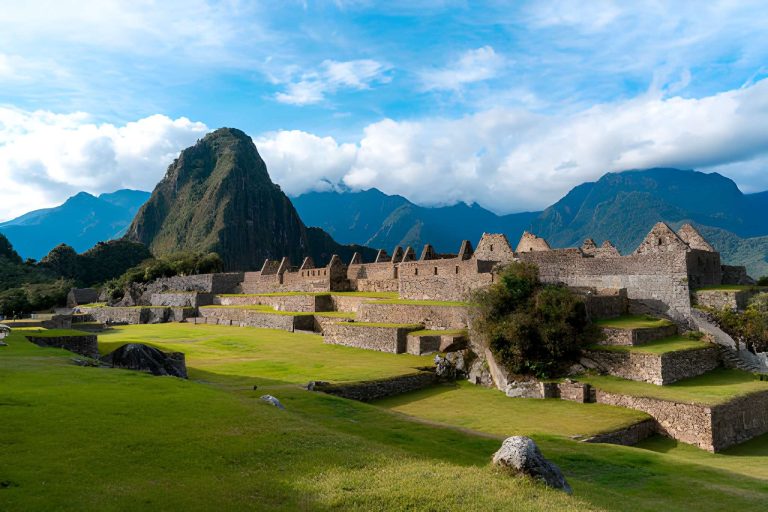
Archaeologists believe the city may have served as a royal retreat, a religious sanctuary, and an administrative center all at once. The Incas carefully designed the site, separating agricultural terraces from living quarters and ceremonial spaces. This thoughtful layout suggests that Machu Picchu supported both daily life and sacred rituals.
Remarkable Inca Engineering
Machu Picchu’s construction still amazes engineers today. Inca builders shaped massive stones with incredible precision, fitting them together without mortar, iron tools, or wheels. The walls have withstood centuries of earthquakes and extreme weather.
Recent research shows that the Incas chose the location strategically. Machu Picchu sits atop intersecting fault lines, which helped builders shape stone more easily and improved natural drainage. This choice also increased the city’s resistance to seismic activity, proving the Incas understood their environment at an advanced level.
Water, Stars, and Sacred Meaning
Water held deep spiritual and practical importance in Inca culture, and Machu Picchu reflects this belief clearly. Engineers designed an intricate system of channels and fountains that carried fresh water throughout the city while protecting the slopes from erosion.
Astronomy also shaped the site’s design. Structures such as the Intihuatana stone and the Temple of the Sun align with solstices and seasonal changes. These alignments reveal how closely the Incas connected architecture, nature, and the movement of the heavens.
A Site That Still Reveals New Clues
Machu Picchu continues to teach us. Archaeologists use modern tools like LiDAR scanning and advanced mapping techniques to uncover hidden structures and reinterpret existing ones. Each discovery deepens our understanding of Inca society and their relationship with the landscape.
Rather than offering final answers, Machu Picchu invites curiosity. The site stands as a reminder that ancient knowledge still holds lessons for the modern world.
Discover Machu Picchu for Yourself
Reading about Machu Picchu sparks curiosity, but visiting it creates a lasting connection. Standing above the clouds, surrounded by stone pathways and mountain peaks, brings history to life in a powerful way.
If you’re ready to experience the mystery firsthand, plan your journey and book unforgettable tours at https://peruways.com. The secrets of Machu Picchu await—your adventure starts here.