When the term “State of Emergency” is mentioned, some individuals may immediately conjure images of apocalyptic scenarios or envision a scenario akin to “martial law,” often fueled by sensationalized portrayals on social media platforms. However, it is crucial to recognize that many social media users lack comprehensive understanding of the subject matter and may simply be sharing personal opinions or misinformation.
First and foremost, we advise against succumbing to panic and urge individuals to refrain from heeding inaccurate information propagated by ill-informed sources. It is imperative to grasp the concept of a “State of Emergency” before hastily altering plans or inciting unnecessary alarm among fellow travelers.
In the United States, a “State of Emergency” is referred to as a “National Emergency,” denoting a condition wherein a government is granted authority to implement policies deemed necessary for the safety and welfare of its citizens, which would otherwise be restricted. Such declarations are commonly issued in response to natural disasters, civil unrest, or health crises, such as the ongoing COVID-19 pandemic.
Numerous countries, including Peru, have invoked such measures during the pandemic, with Peru recently concluding a two-year period under a “State of Emergency” due to COVID-19. It’s conceivable that many travelers had arranged their trips to Peru during this period.
It’s crucial for visitors to Peru to disregard information from social media sources lacking expertise in law or an accurate understanding of the nation’s current situation. Peru remains a safe destination, comparable or even safer than certain regions in the United States where firearm sales are unrestricted. Instances of unrest depicted in media are isolated incidents and not indicative of widespread turmoil throughout Peru, a nation with over 30 million inhabitants.
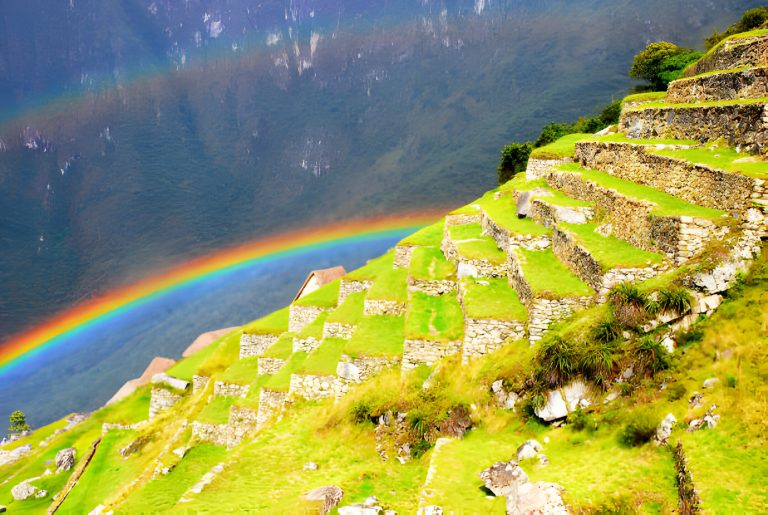
Just as violent events in the U.S. Capitol did not disrupt the entire nation nor signify a state of civil war, disturbances in Peru are localized occurrences. Furthermore, the country is gradually returning to normalcy, with airports and train services to Machu Picchu resuming operations as usual.
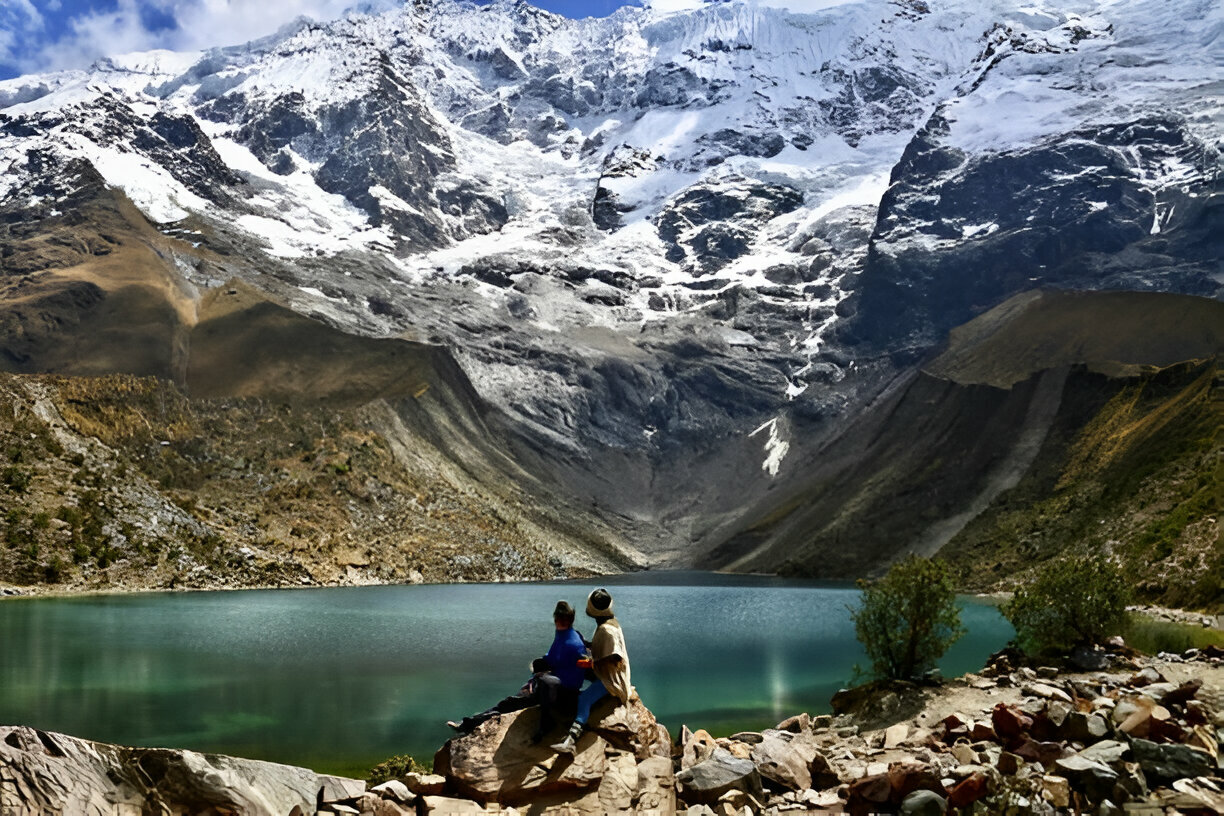
In conclusion, we encourage travelers to embrace their journey to Peru with confidence and peace of mind. By disregarding unfounded rumors and focusing on accurate information, visitors can fully enjoy the rich experiences and breathtaking landscapes that Peru has to offer.