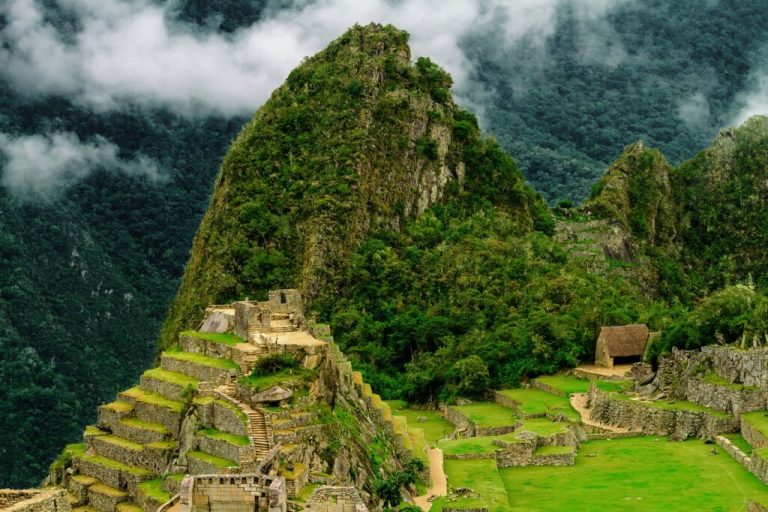
The ancient walls of Cusco stand as a testament to the architectural prowess of the Inca Empire. These structures, built from massive stones that fit together so perfectly without mortar, have withstood centuries of earthquakes, time, and weather. They not only form the foundation of Cusco but are also a significant part of its cultural heritage.
One of the most famous examples of Incan masonry is the Twelve-Angled Stone, located on Hatun Rumiyoc Street. This stone, along with the other large boulders in the wall, fits perfectly without the use of any binding material, demonstrating the Inca’s incredible skill in stonework. What makes these walls even more astonishing is that they have survived earthquakes that have damaged more modern structures in the area.
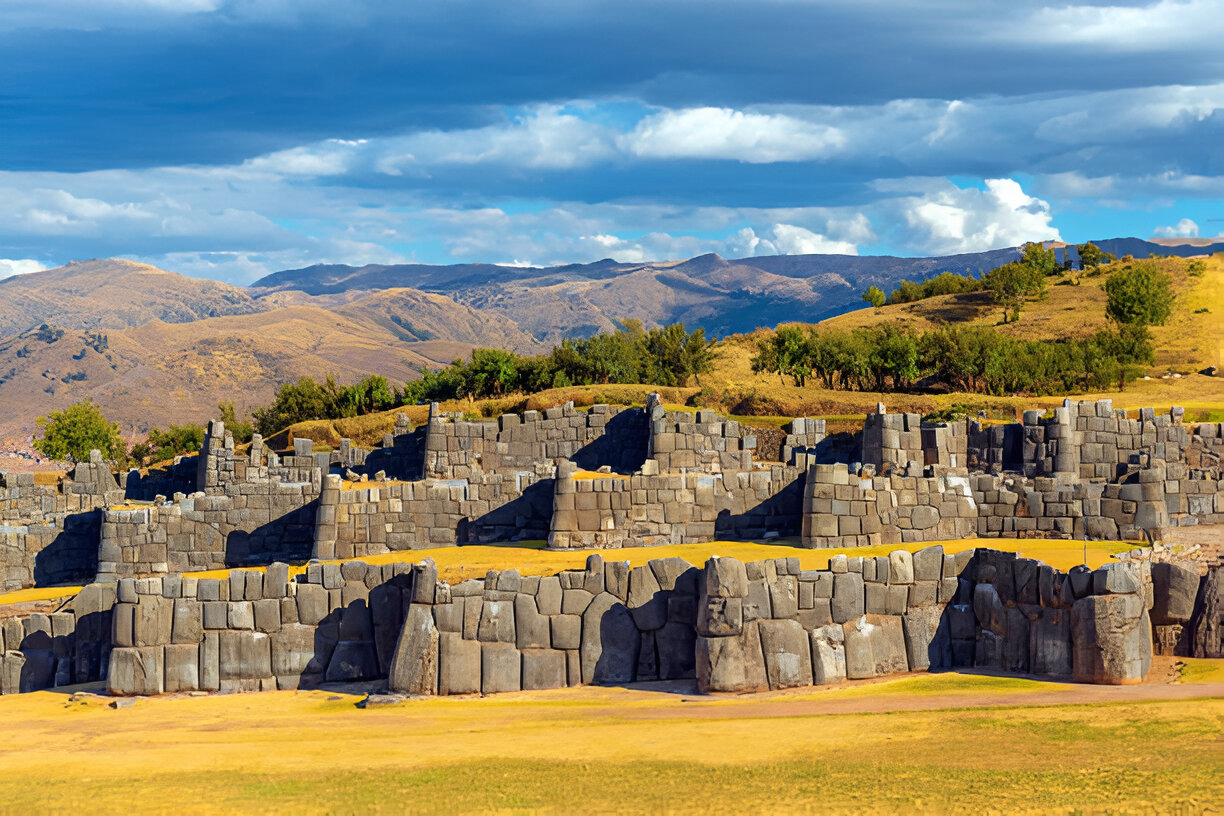
The walls of Cusco are not just limited to the city. As you explore further, you’ll notice that many of the surrounding ruins, like Sacsayhuamán and the Sacred Valley, also feature this type of construction. Sacsayhuamán, located just outside Cusco, is an expansive fortress that features walls made of stones weighing as much as 200 tons, again without the use of mortar.
These walls are a constant reminder of the advanced knowledge and engineering techniques that the Incas possessed. Visitors to Cusco are often awestruck by how these ancient constructions still dominate the landscape.
To truly appreciate the majesty of Cusco’s walls, it’s essential to experience them firsthand. Whether you’re planning a visit to these historical wonders or looking for convenient travel options around Cusco, Peruways offers easy booking for transportation and tours. For more information on planning your trip, visit Peruways.