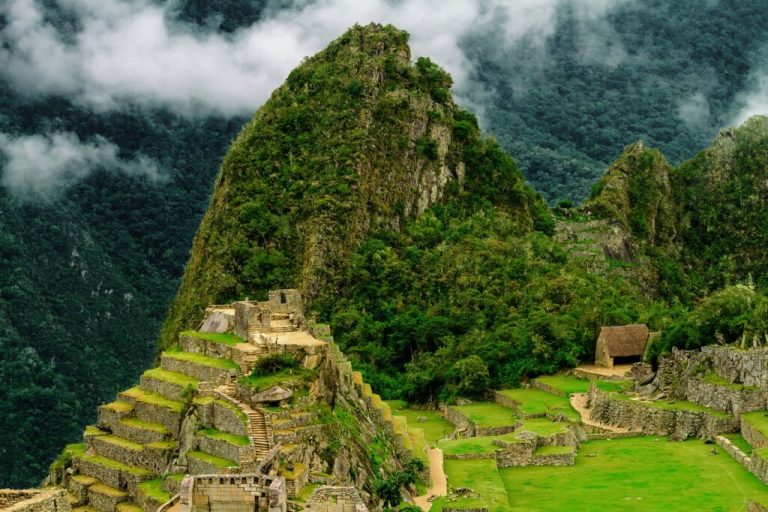
Machu Picchu, one of the most renowned archaeological sites in the world, sits at an impressive altitude of 7,970 feet (2,430 meters) above sea level. This breathtaking elevation contributes to the site’s stunning panoramic views of the surrounding Andes Mountains and lush valleys. However, the height of Machu Picchu can also pose challenges for some visitors, especially those not accustomed to high altitudes.
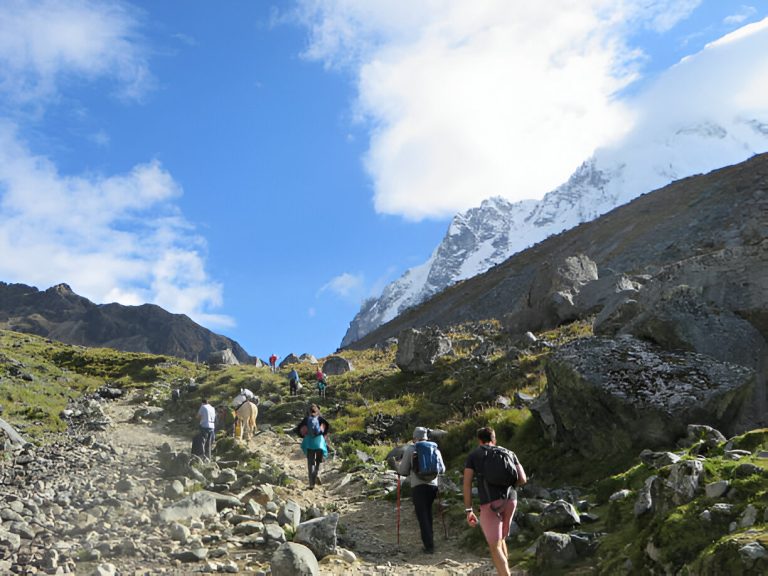
Understanding the altitude is essential for planning your trip. Many travelers begin their journey in Cusco, which is even higher, at around 11,152 feet (3,400 meters). This significant difference in elevation can lead to altitude sickness, a common condition characterized by symptoms like headaches, fatigue, and dizziness. To minimize the effects, it’s crucial to acclimatize properly. Spending a few days in Cusco allows your body to adjust before you ascend to Machu Picchu.
Once acclimatized, visitors can enjoy exploring the marvels of this ancient citadel. The remarkable Inca architecture, including terraces, temples, and stone structures, offers insight into the ingenuity of the civilization. The high elevation also means you’ll be rewarded with breathtaking views and stunning photo opportunities that showcase the natural beauty of the region.
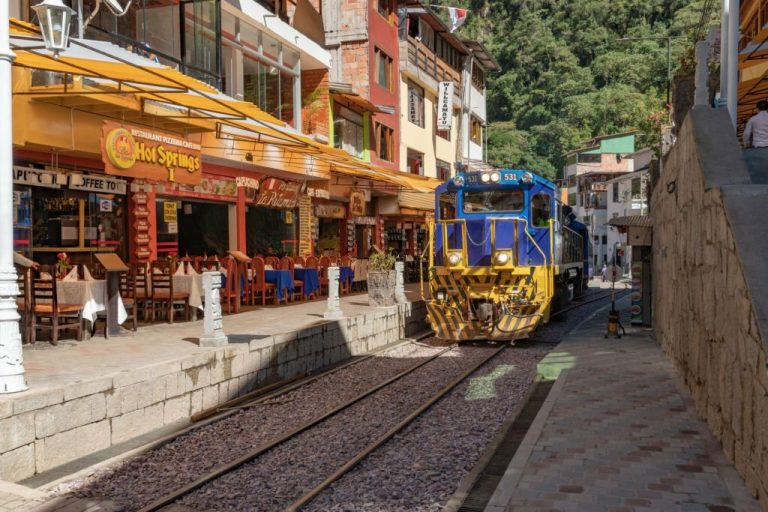
For those looking to visit Machu Picchu, booking your tickets in advance is essential, especially during peak tourist seasons. Various train options are available from Cusco or the Sacred Valley, providing a scenic route to this iconic destination.
To make the most of your visit and navigate the unique challenges of altitude, consider utilizing travel resources that offer expert advice and comprehensive planning. Visit Peruways for valuable insights and travel options that will help you fully experience the beauty and history of Machu Picchu.