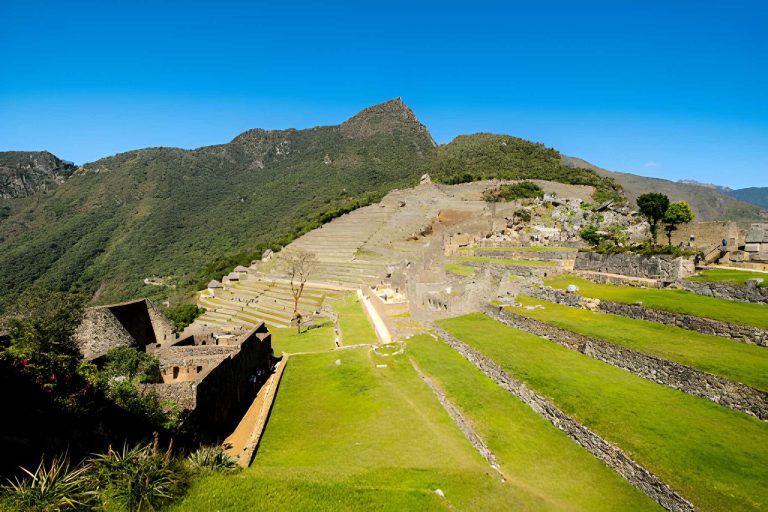
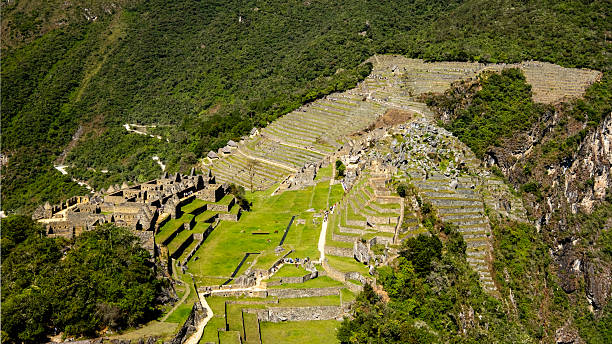
Machu Picchu, built around 1450 and abandoned less than a century later, sat largely unknown to the outside world until 1911, when Yale historian Hiram Bingham, led by local farmer Melchor Arteaga and 11-year-old Pablito Álvarez, climbed up to the ridge and found it under thick vegetation. Bingham’s documentation and the National Geographic coverage that followed made the citadel one of the first global archaeological celebrities of the 20th century.
The Discovery That Changed History
Local Quechua families had always known the ruins were there — Arteaga was farming on them. Bingham’s contribution was international: a photographic record, a published account (The Lost City of the Incas), and the political push to clear and study the site. Peru’s archaeological record of the Inca empire effectively begins here.
Bingham’s team documented the terraces, the Temple of the Sun, the Intihuatana, and the Royal Tomb. Later work has refined his conclusions — Machu Picchu is now understood as a royal estate for Pachacuti rather than a lost military fortress — but the mapping, the stone-by-stone catalogue, and the early understanding of Inca urban planning all trace to that first season.
Historical and Cultural Significance
Machu Picchu changed what historians could say about the Inca empire. Before 1911, most of the record came from Spanish chroniclers writing after the conquest — accounts that were secondhand, often hostile, and heavily filtered. A fully intact Inca royal estate gave archaeologists a primary source: evidence of urban planning, water engineering, agricultural experimentation, and ritual astronomy, all preserved by the citadel’s isolation.
The site also became national ground. Machu Picchu is now the de facto image of Peru internationally, a UNESCO World Heritage Site since 1983, and one of the New Seven Wonders of the World since 2007. Repatriation of the Bingham-era artifacts from Yale (completed 2012) made the ownership question part of the story.
A Must-Visit Destination
The trip to Machu Picchu is as much part of the visit as the ruins themselves — either four days of the Inca Trail from km 82, or the rail route through the Urubamba gorge from Cusco or Ollantaytambo. The Sacred Valley on the way is largely unchanged terraced farmland, worked by Quechua families along lines Pachacuti’s engineers would recognize.
For the booking side — train, entrance, Huayna Picchu permit, bus up from Aguas Calientes — Peruways handles the full chain, with guides who know the Bingham-era history and the current archaeological reading of the site.
Conclusion
The 1911 rediscovery didn’t make Machu Picchu — it had been there since Pachacuti — but it brought the Inca empire into mainstream global history and reshaped Peru’s own national identity around the citadel. Book your trip with Peruways and walk through the site that’s held global attention for over a century.