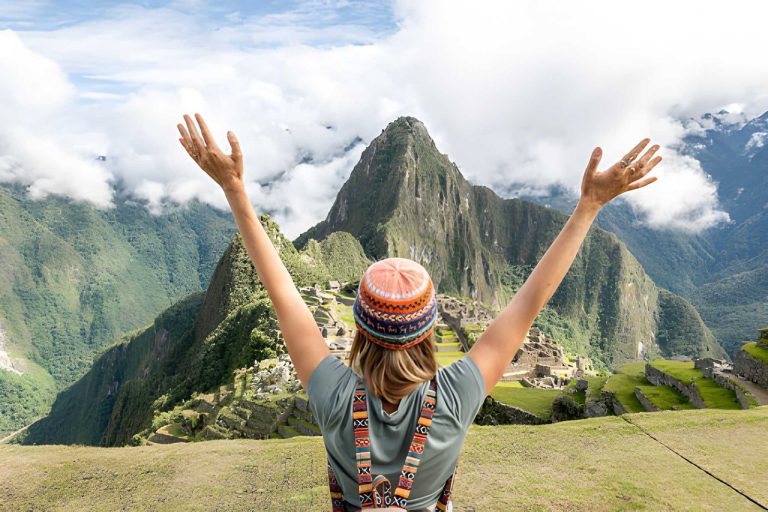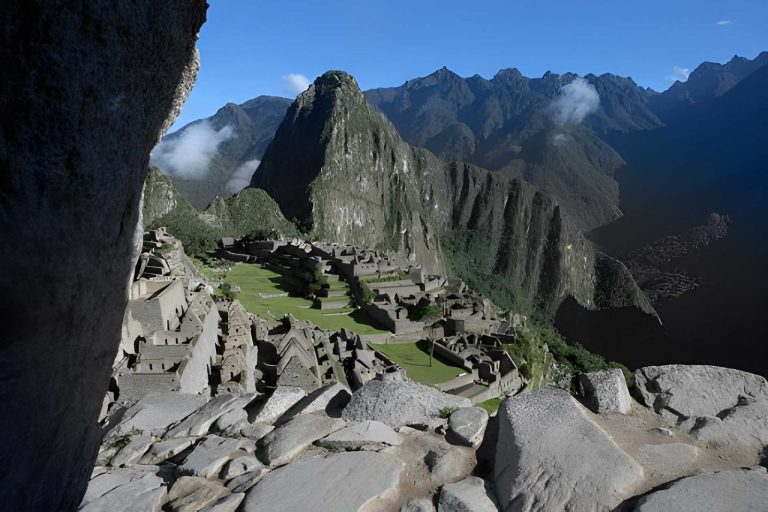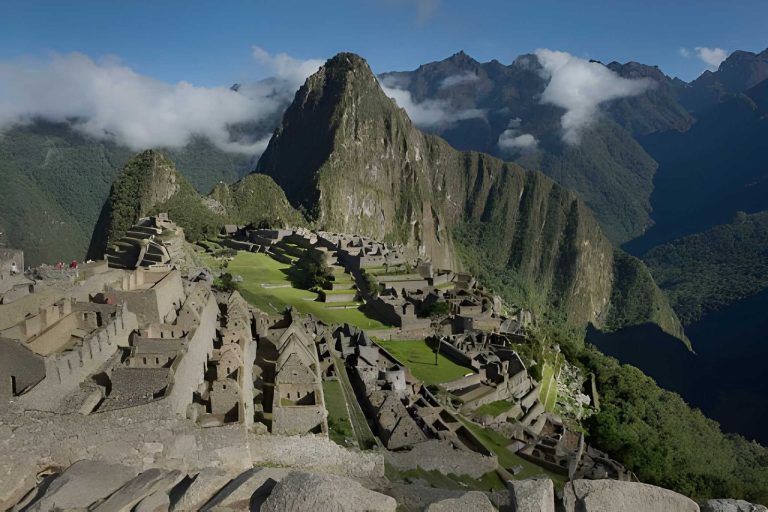
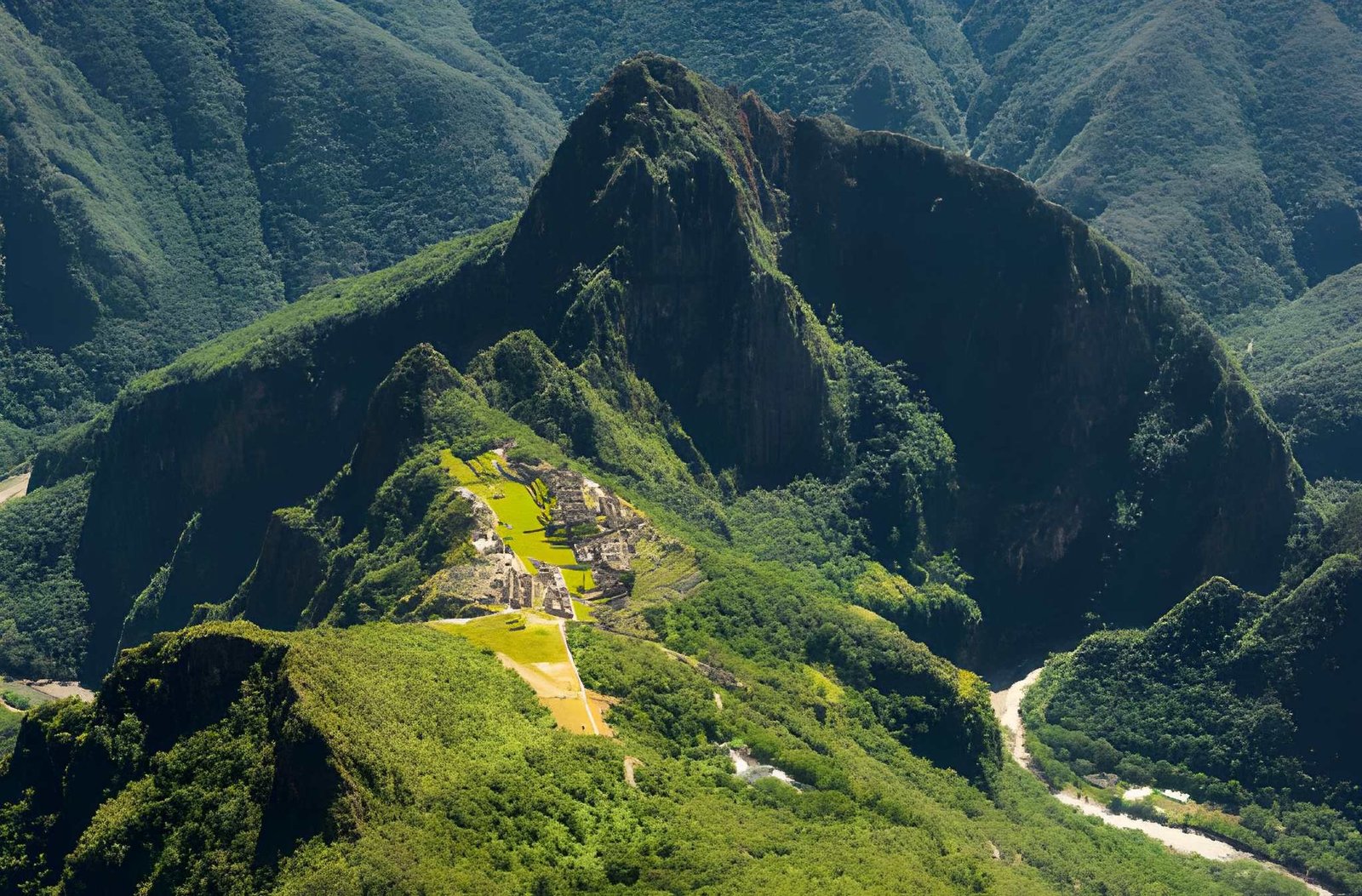
Visiting Machu Picchu is a once-in-a-lifetime adventure. Whether you’re hiking the legendary Inca Trail or exploring the citadel directly, preparing your body ahead of time will make your experience safer, more enjoyable, and far more rewarding.
Here’s how to train smartly for your Machu Picchu journey.
1. Build Cardiovascular Endurance
Machu Picchu sits at about 2,430 meters (7,970 ft) above sea level, and many trekking routes reach even higher elevations. Strong cardio fitness helps your body adapt to thinner air and long walking days.
How to train:
Brisk walking (45–60 minutes, 3–4 times per week)
Stair climbing or hill walking
Jogging or cycling
Hiking with gradual elevation gain
If possible, practice hiking on uneven terrain. Trails are often stone steps, dirt paths, and steep inclines. Simulating these conditions will prepare your legs and lungs for the real adventure.
2. Strengthen Your Legs & Core
The trek to Machu Picchu involves continuous uphill climbs and downhill descents. Strong muscles reduce fatigue and lower your risk of injury.
Focus on:
Squats (bodyweight or weighted)
Lunges (forward and walking)
Step-ups (use a bench or sturdy box)
Calf raises
Planks and core exercises
Aim for 2–3 strength sessions per week. Strong glutes, quads, hamstrings, and core muscles will help you stay stable and powerful on the trail.
3. Train with a Backpack
If you’re hiking the Inca Trail or similar routes, you’ll carry a daypack with essentials. Even a few extra kilos can feel heavy after several hours.
Preparation tip:
Train with a backpack weighing 3–6 kg (7–13 lbs). Start light and gradually increase the weight. This helps your shoulders, back, and hips adjust before your trip.
4. Practice Long Walking Days
Many Machu Picchu tours involve walking 6–8 hours per day. Gradually increase your weekly long walk or hike so your body gets used to sustained effort.
For example:
Week 1–2: 1.5–2 hours
Week 3–4: 2–3 hours
Week 5+: 3–5 hours
Consistency is more important than intensity. Steady progress prevents overtraining and injury.
5. Prepare for Altitude
While fitness helps, altitude affects everyone differently. To reduce the impact:
Arrive in Cusco 1–2 days early to acclimatize
Stay hydrated
Avoid heavy alcohol before your trek
Walk at a steady, comfortable pace
Acclimatization is just as important as physical training.
6. Don’t Forget Mobility & Recovery
Stretching improves flexibility and reduces muscle tightness—especially in calves, hip flexors, and hamstrings. Add light stretching after workouts and include at least one rest day per week.
Foam rolling and proper sleep will also help your body adapt to training.
Ready for the Adventure?
Training properly ensures you can fully enjoy the magic, history, and breathtaking scenery of Machu Picchu without feeling exhausted. The stronger and more prepared you are, the more unforgettable your experience will be.
If you’re planning your trip, let our expert team help you organize the perfect journey. Visit https://peruways.com to explore our tours and book your Machu Picchu adventure today. Your journey to the heart of the Andes starts now!