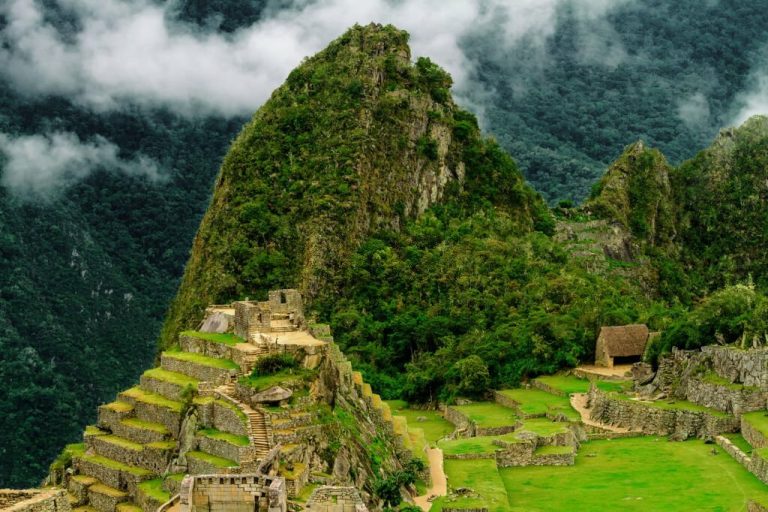
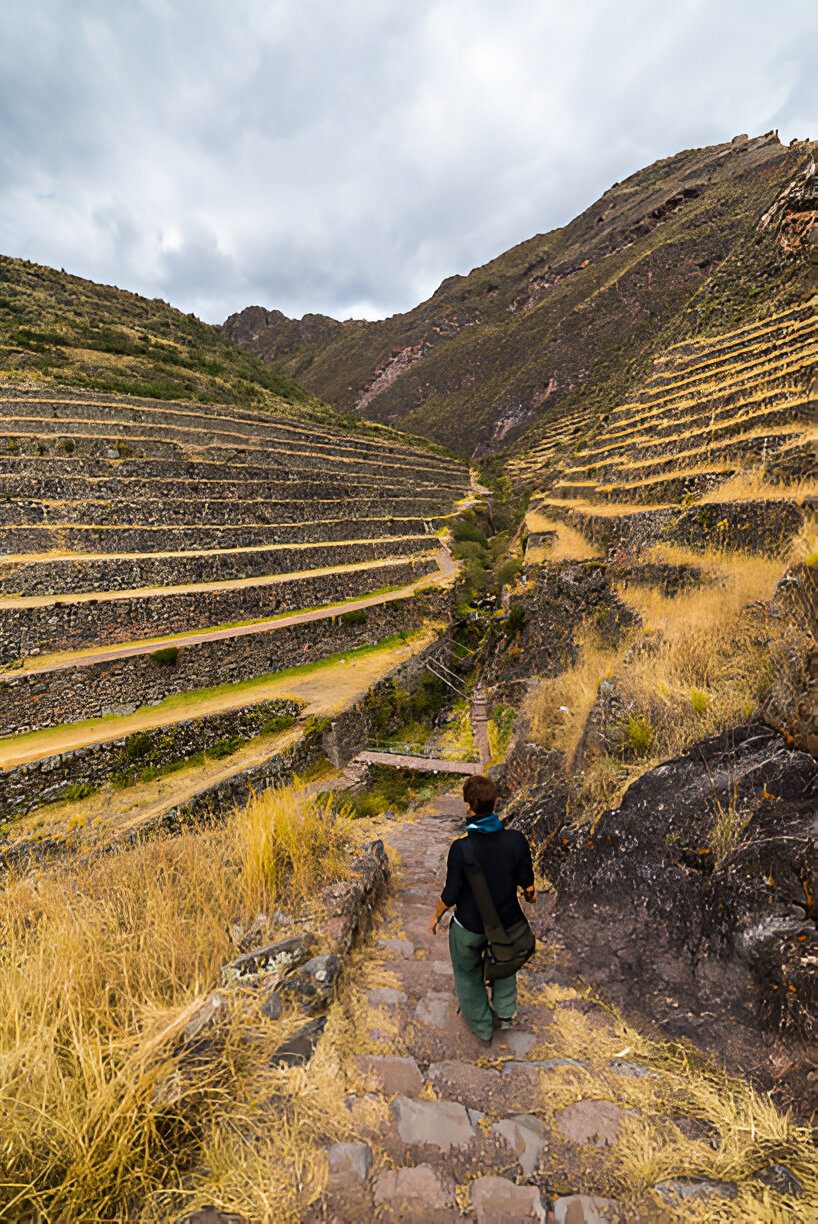
Cusco, the historic capital of the Inca Empire, sits at an elevation of approximately 11,152 feet (3,400 meters) above sea level. This high altitude not only offers breathtaking views of the Andes Mountains but also presents unique challenges for visitors, particularly regarding acclimatization. Understanding the elevation of Cusco is crucial for a safe and enjoyable experience.
Many travelers may experience symptoms of altitude sickness, also known as acute mountain sickness (AMS), when they first arrive in Cusco. Common symptoms include headaches, nausea, dizziness, and fatigue. To mitigate these effects, it’s essential to allow your body time to adjust. Spending a couple of days in Cusco before heading to higher elevations, such as Machu Picchu, is highly recommended. This acclimatization period can significantly reduce the likelihood of experiencing AMS.
Staying hydrated is another vital aspect of adjusting to Cusco’s elevation. Drinking plenty of water, herbal teas, and avoiding alcohol or heavy meals can help your body acclimatize more effectively. Traditional beverages, like coca tea, are also popular among locals for their natural properties that aid in coping with altitude.
Cusco is rich in history and culture, making it a fantastic place to explore while acclimatizing. From the impressive architecture of the Plaza de Armas to the fascinating ruins of Sacsayhuamán, there is no shortage of sights to see.
To ensure a seamless travel experience, consider using a reputable tour operator like Peruways. They offer tailored packages that include accommodations, guided tours, and transportation, allowing you to focus on enjoying your trip without the stress of planning.
Understanding Cusco’s elevation is crucial for any traveler. With proper preparation, you can fully immerse yourself in the beauty and culture of this remarkable city. For more information on planning your trip to Cusco, visit Peruways. Embrace the adventure and create lasting memories!