A Machu Picchu trip reads better when the Sacred Valley is part of it. The valley stretches east from Cusco toward Ollantaytambo along the Urubamba — lower than Cusco (2,800 metres vs 3,400), easier to acclimatise in, and dense with the Inca ruins, salt pans and weaving villages that give the region its texture.
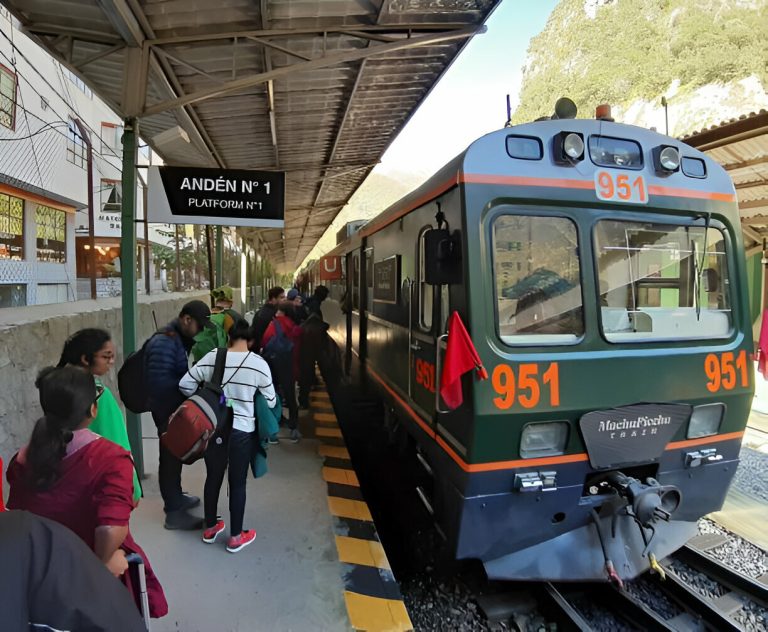
Pisac sits at the eastern end: terraced ruins climbing the ridge above the town, a big craft market in the plaza below, and the Sunday morning gathering of Quechua farmers in traditional dress. Ollantaytambo closes the valley at the western end — Pachacuti’s fortress, the colonial grid built on Inca foundations, and the main train station for Machu Picchu.
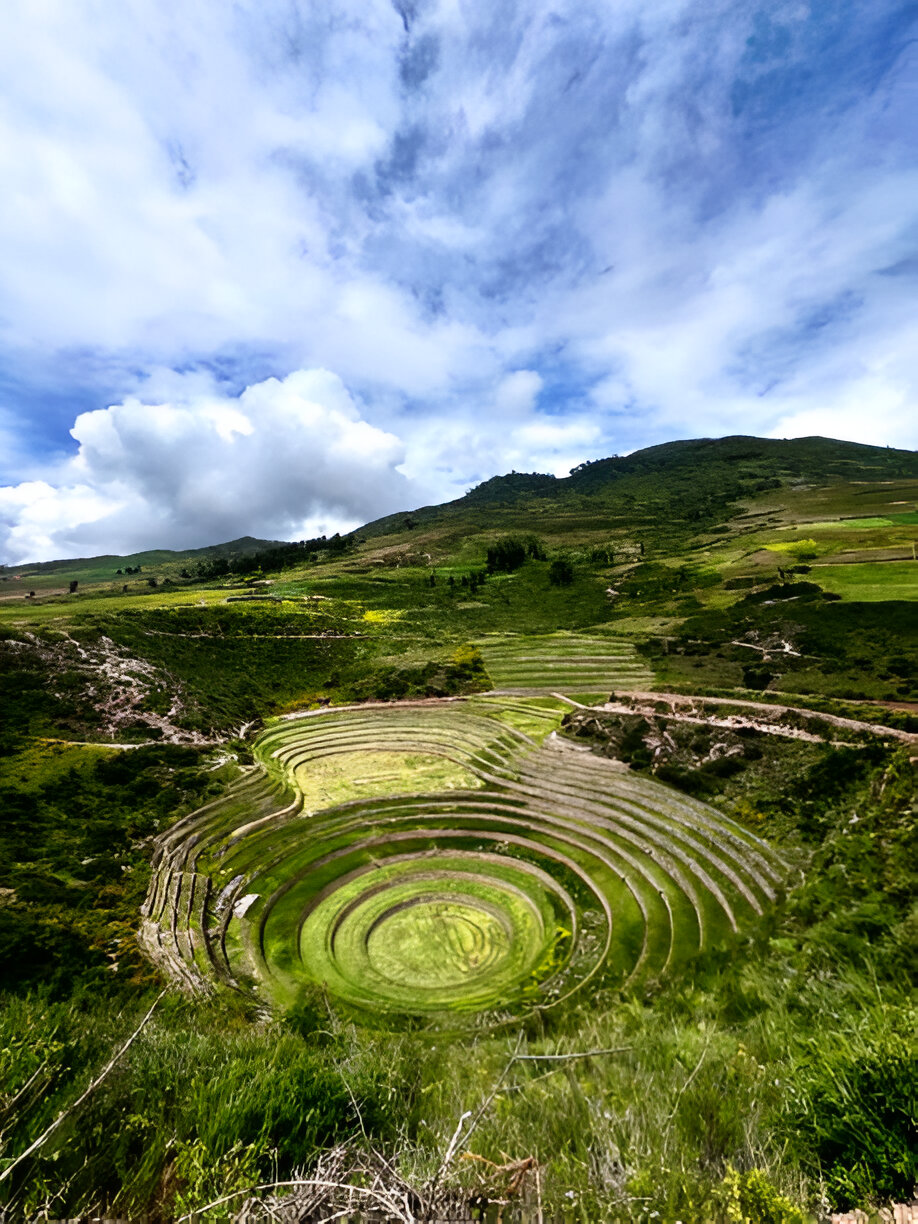
Moray and Maras in the middle of the valley repay half a day each: Moray’s circular terraces are thought to be an Inca agricultural experiment station, with microclimates built into the depths of the bowls; Maras is a cliffside array of three thousand pre-Inca salt pans still worked by local families.
A guided day lets you link three or four stops. Peruways’ Cusco-based guides read the sites in context — the religion, the agriculture, the engineering, the handover from Inca to Spanish colonial.
Book the Sacred Valley and Machu Picchu together through Peruways so the altitude pacing works.