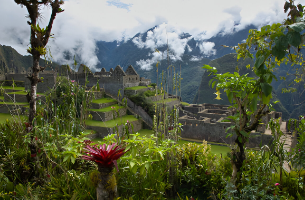

One of Machu Picchu’s lesser-known features is the Face of Machu Picchu — the natural rock outline on the western ridge above the citadel that reads, from a specific angle at Machu Picchu Pueblo (Aguas Calientes), as a reclining human profile.
The Face isn’t carved; it’s an erosion feature in the mountain’s silhouette. From the right vantage below, the outline resolves into a forehead, nose, mouth, and chin — a few hundred meters of rock arranged by weathering rather than by hand. Local Quechua tradition reads it as the mountain-spirit Apu guarding the citadel, which fits with the Inca practice of siting religious sites on faces of the land they considered sacred.
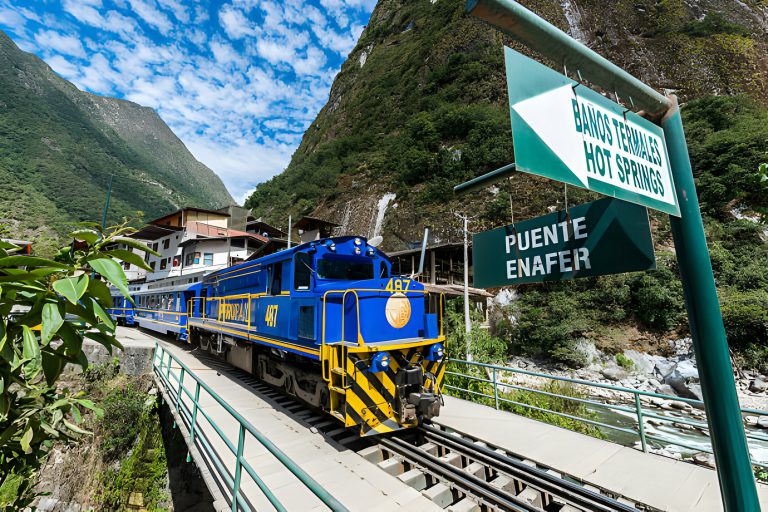
The best way to see it is from the plaza in Aguas Calientes looking up, or from certain stretches of the railway line on the way in. Inside the citadel itself the perspective is wrong. Guides who know the viewpoint can point out the exact angle — it isn’t visible if you walk past the wrong spot.
For a Machu Picchu visit that includes the context around the citadel — the Face, the Apu reading, the Spanish-era rediscovery — Peruways runs tours and handles the ticketing side. A small side-note, but one of the things most first-time visitors miss.