
Perched at 2,430m in the Peruvian Andes, Machu Picchu is the Inca citadel that put Hiram Bingham on the front of National Geographic in 1913 and never really left the frame. UNESCO World Heritage since 1983, it is still the clearest window onto Inca urban planning.
Construction ran through the mid-15th century under Pachacuti. The ashlar stonework — polygonal blocks cut and fitted without mortar — has survived five centuries of seismic activity because the joints absorb and dissipate shock. Terraces, drainage channels and ceremonial platforms climb the saddle between two peaks.
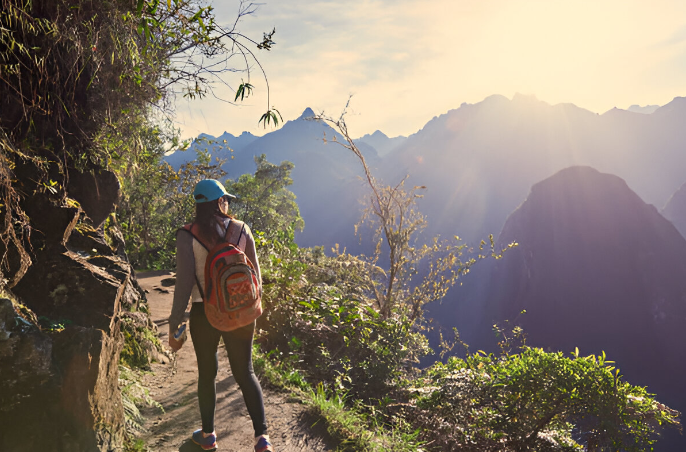
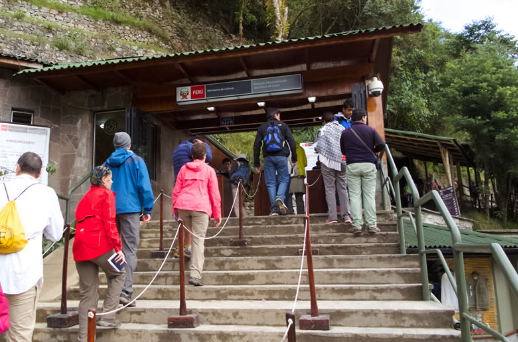
Getting in is half the trip, whether you take the four-day Classic Inca Trail or the train from Cusco or Ollantaytambo. The first view from the Guardhouse — the citadel with Huayna Picchu rising behind it — is the one on every poster, and it still delivers.
The specifics worth your time are the Temple of the Sun’s semi-circular wall, the three-windowed Sala de las Tres Ventanas, and the Intihuatana — a carved ritual stone linked to the solstices. Each sits on a different circuit, so pick your ticket deliberately.
Machu Picchu is less a monument than a 15th-century town that happens to have the view. Walk slowly; the detail is in the stonework, not the panorama.