
Cusco, the historic capital of the Inca Empire, is located at an impressive altitude of approximately 3,400 meters (11,152 feet) above sea level. This high elevation contributes to its unique climate and stunning landscapes, making it a popular destination for travelers from around the world. However, the altitude can also pose challenges for those who are not accustomed to such heights.
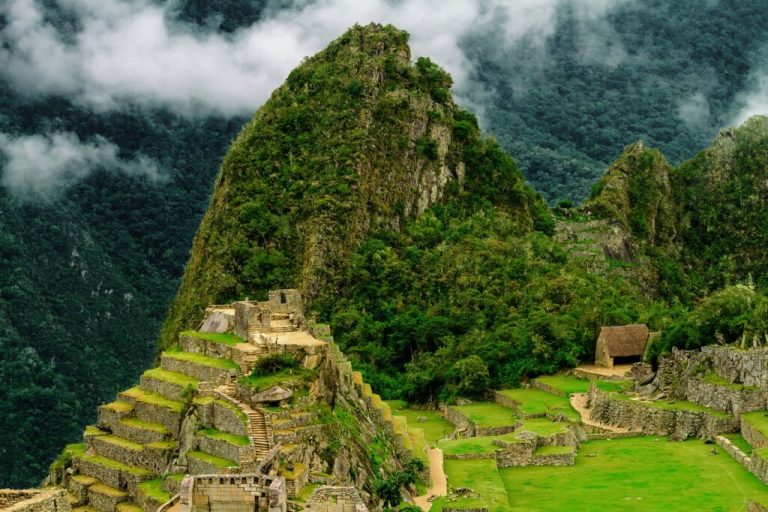
Visitors often experience altitude sickness, which can include symptoms like headaches, dizziness, and shortness of breath. To mitigate these effects, it’s essential to acclimatize properly. Many travelers recommend spending a few days in Cusco before embarking on hikes to Machu Picchu or other high-altitude locations. Staying hydrated, eating light meals, and avoiding excessive physical exertion can also help ease the transition to Cusco’s elevation.
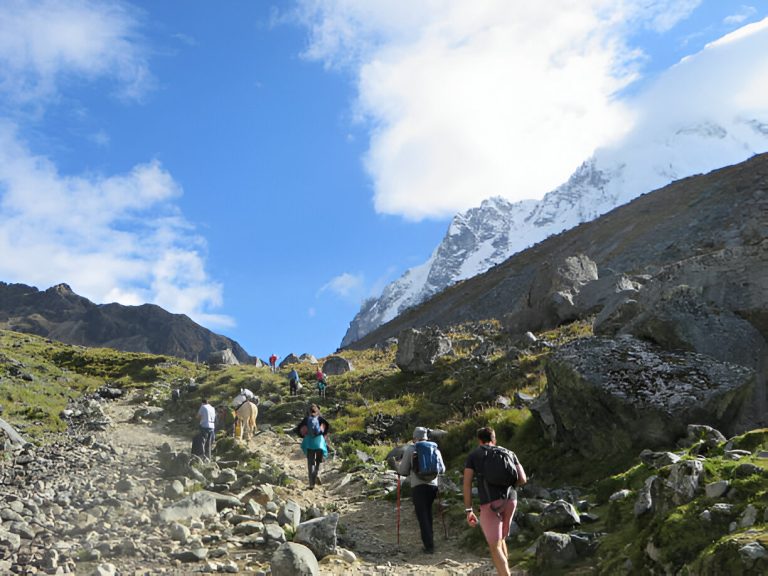
Despite its altitude, Cusco offers breathtaking views and a rich cultural experience. The city’s stunning architecture, including the impressive Sacsayhuamán fortress and the beautiful Plaza de Armas, captivates visitors. The surrounding landscapes, characterized by rolling hills and the majestic Andes mountains, provide a perfect backdrop for exploration.
If you’re planning a trip to Cusco and want to make the most of your experience at this high elevation, consider booking a guided tour through Peruways. They offer tailored packages that include transportation and expert guides, ensuring you have a seamless and enjoyable experience as you acclimatize to the altitude.
In summary, understanding the elevation of Cusco is crucial for a successful trip. By taking the time to acclimatize and embracing the beauty of this historic city, you can enjoy an unforgettable adventure in the heart of the Andes. Don’t let altitude deter you; instead, let it enhance your journey through this incredible destination!