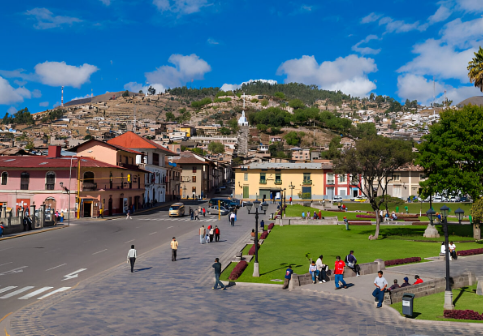
Cusco, the historical capital of the Inca Empire, sits at an elevation of approximately 3,400 meters (11,150 feet) above sea level. This high altitude is a defining feature of the city and can significantly impact visitors, particularly those arriving from lower elevations.
The altitude of Cusco means that the air is thinner, which can lead to symptoms of altitude sickness, such as headaches, dizziness, and shortness of breath. To mitigate these effects, it’s crucial to take some precautions before and during your visit. Acclimatization is key; spending a day or two in Cusco before venturing to higher altitudes, like Machu Picchu, can help your body adjust. Staying hydrated, eating light meals, and avoiding strenuous activities on the first day can also ease the transition.
Cusco’s elevation contributes to its unique climate and stunning views. The city enjoys a cool, temperate climate with clear skies and crisp air, making it an excellent base for exploring the surrounding Sacred Valley and Incan ruins. The high altitude also offers spectacular panoramic vistas of the Andes, enhancing your travel experience.
For those planning a trip to Cusco, Peruways provides valuable information on how to prepare for the altitude, including tips on acclimatization, accommodations, and local attractions. Their expert advice can help you navigate the challenges of high-altitude travel and make the most of your visit.
Understanding Cusco’s altitude and preparing accordingly ensures a comfortable and enjoyable experience in this remarkable city, allowing you to fully appreciate its rich history and breathtaking surroundings.