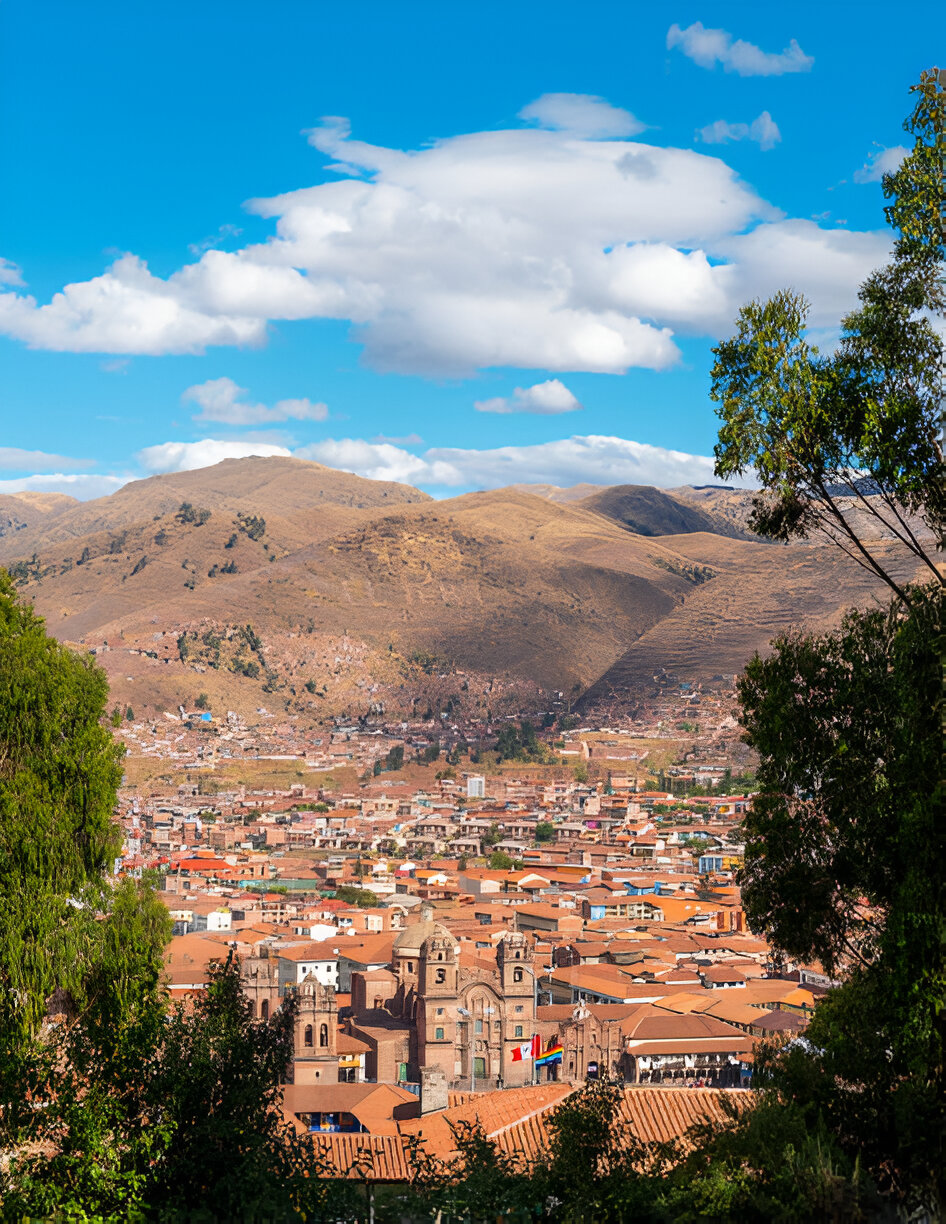
Cusco, the historic capital of the Inca Empire, is a city rich in culture and history. Perched at an impressive elevation of approximately 3,400 meters (11,200 feet) above sea level, Cusco is renowned for its breathtaking views and stunning architecture. However, this altitude can also pose challenges for some visitors, making it essential to prepare accordingly for a smooth and enjoyable experience.
One of the primary concerns when traveling to high-altitude destinations like Cusco is altitude sickness, or acute mountain sickness (AMS). Symptoms may include headaches, dizziness, nausea, and fatigue. To mitigate these effects, it’s advisable to acclimatize gradually. Spend the first few days in Cusco at a relaxed pace, allowing your body to adjust to the elevation. Stay hydrated by drinking plenty of water and consider consuming coca tea, a local remedy known for its altitude benefits.
Cusco’s elevation not only affects your health but also enhances the city’s unique charm. The high-altitude setting offers stunning panoramic views of the surrounding Andes mountains and valleys, making it a photographer’s dream. Don’t forget to capture the vibrant local markets and the majestic architecture of historical sites like Sacsayhuamán and the Qorikancha Temple.
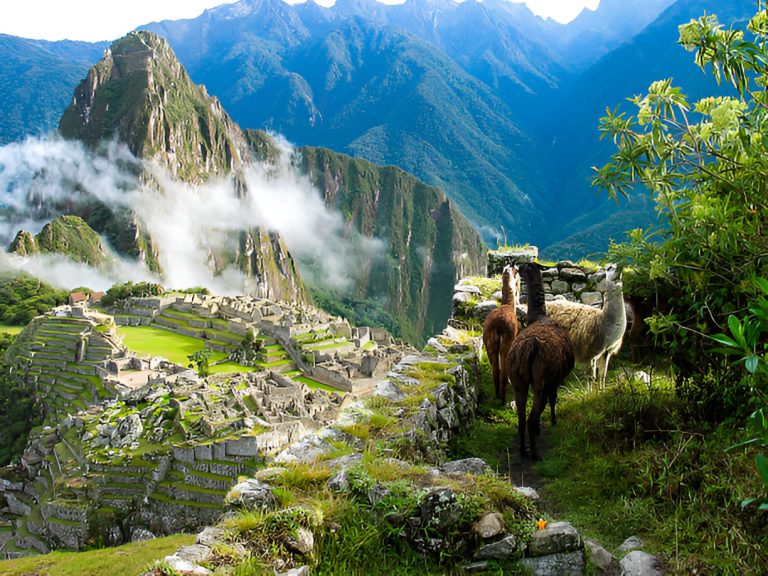
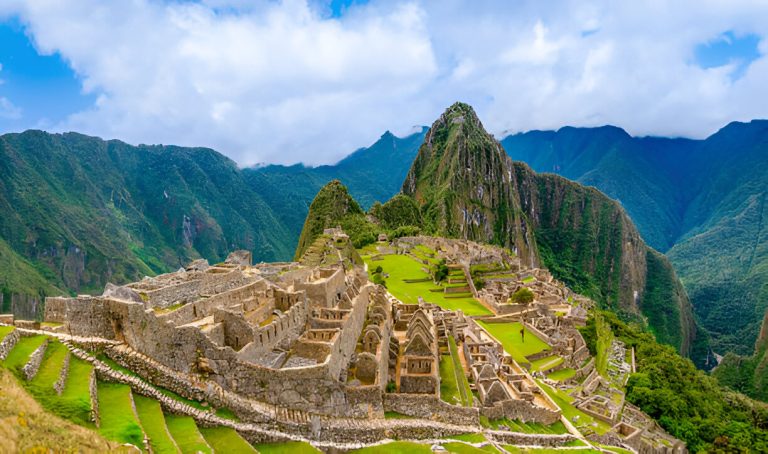
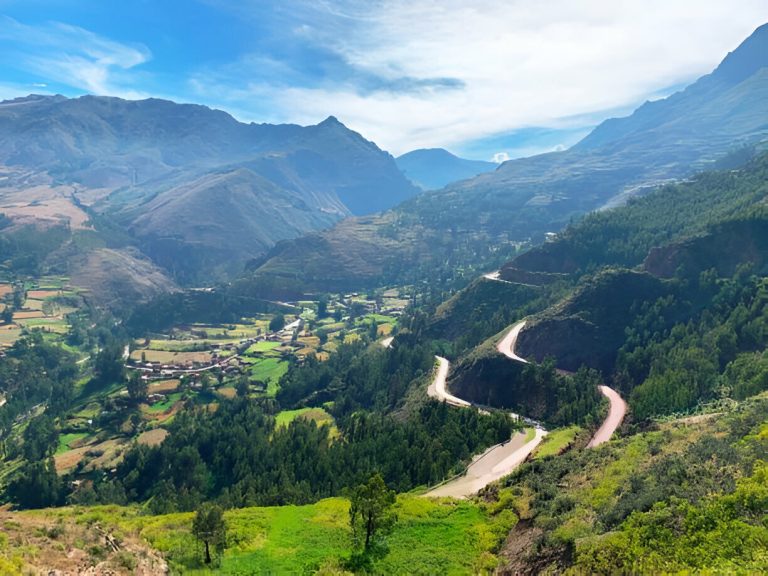
While visiting Cusco, consider exploring the surrounding Sacred Valley, where the elevation ranges between 2,000 to 3,000 meters (6,500 to 9,800 feet). This area offers a great opportunity to further acclimatize before heading to higher altitudes like Machu Picchu.
For a well-planned trip that considers elevation and other travel needs, visit Peruways. They provide valuable resources and support to ensure your journey through Cusco and beyond is unforgettable, allowing you to fully embrace the beauty and culture of this remarkable destination.