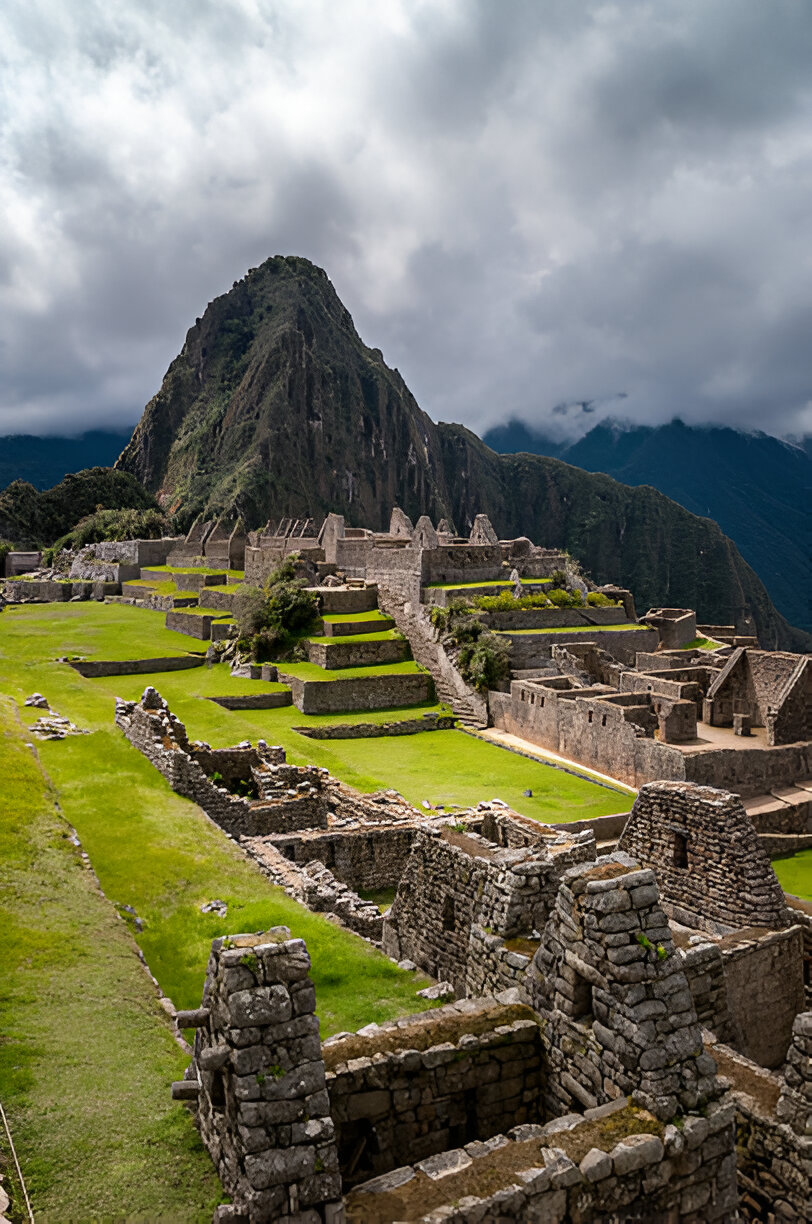
Machu Picchu, one of the most iconic archaeological sites in the world, sits at an impressive altitude of approximately 2,430 meters (7,970 feet) above sea level. This elevation offers breathtaking views and a unique experience, but it also poses some challenges for visitors. Understanding the altitude of Machu Picchu is crucial for a safe and enjoyable visit.
At such heights, some travelers may experience symptoms of altitude sickness, including headaches, dizziness, and shortness of breath. To minimize these effects, it’s essential to acclimatize gradually. Many visitors spend a few days in Cusco, which itself is situated at 3,400 meters (11,200 feet), to help their bodies adjust before heading to Machu Picchu. Staying hydrated and avoiding heavy meals can also aid in acclimatization.
Despite the altitude challenges, the rewards are substantial. Machu Picchu’s stunning scenery, rich history, and remarkable architecture make the journey worthwhile. The crisp mountain air and the panoramic vistas of the Andes create an unforgettable experience for every traveler.
When planning your visit, consider booking a guided tour with Peruways. Their experienced guides can provide valuable insights into how to manage altitude sickness effectively, ensuring that you can fully enjoy your exploration of this ancient Incan city. With organized itineraries and expert advice, Peruways makes it easier to navigate the altitude while enriching your understanding of Machu Picchu’s significance.
In summary, while the altitude of Machu Picchu may present some challenges, proper preparation can enhance your experience. Embrace the adventure, take your time to acclimatize, and prepare for an unforgettable journey through one of the wonders of the world.