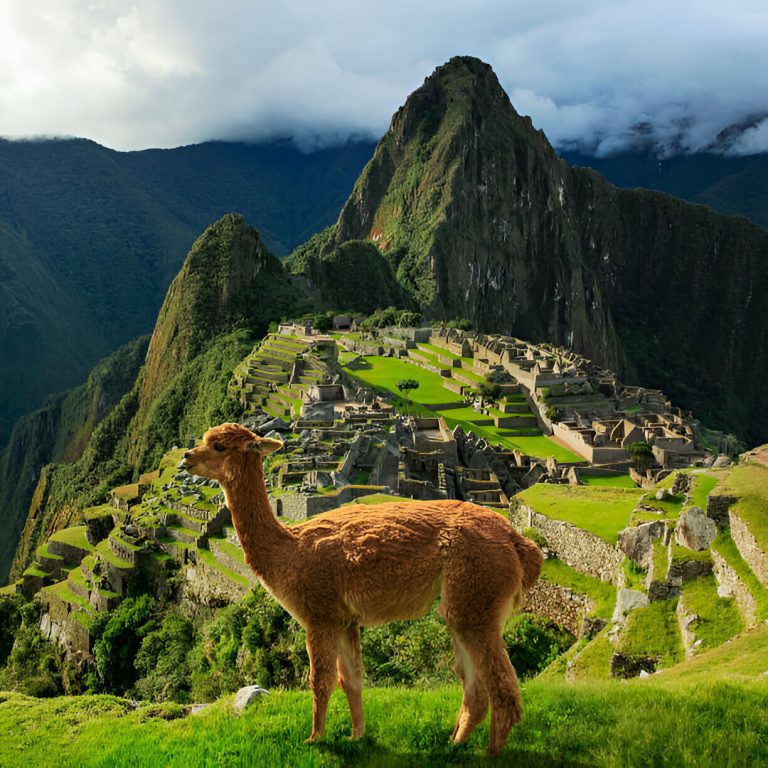
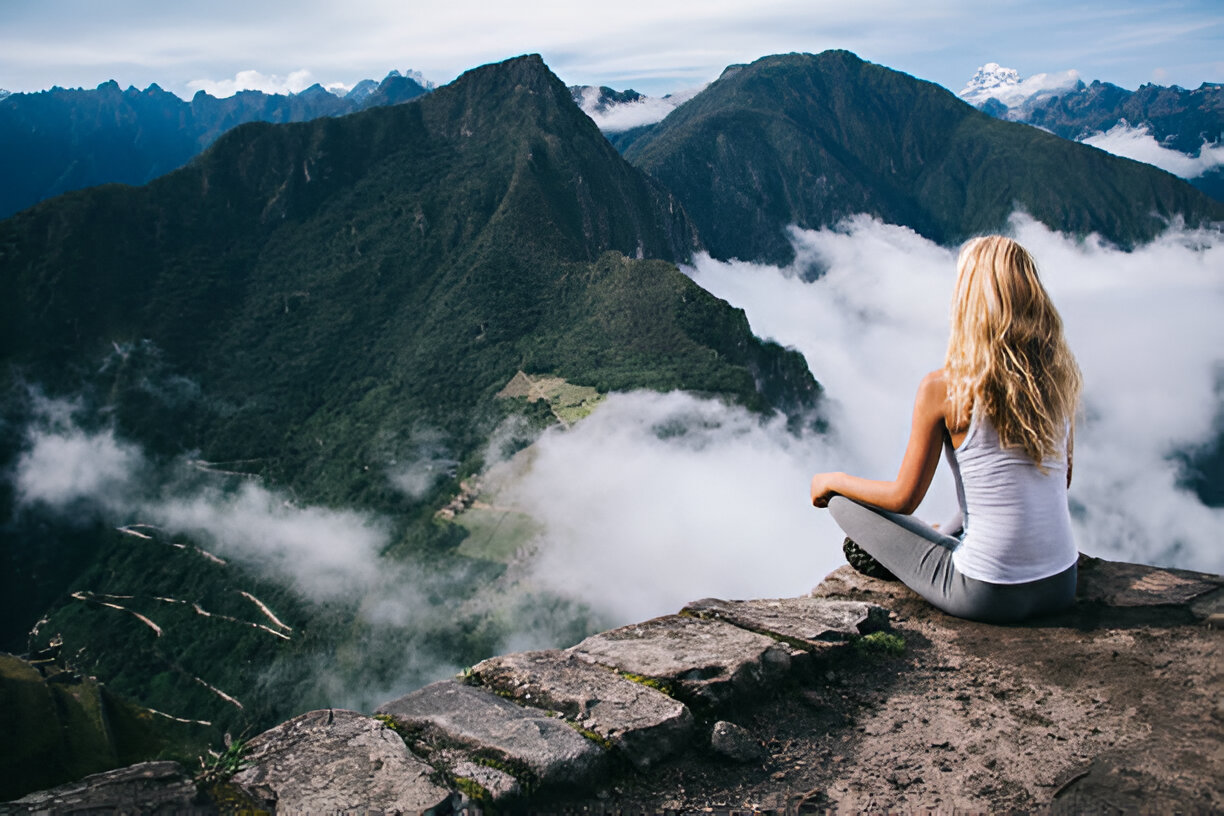
Machu Picchu, the iconic Inca citadel, is a marvel of history and architecture, perched at an elevation of 2,430 meters (7,970 feet) above sea level. While the stunning views and ancient ruins draw thousands of visitors each year, the altitude can pose challenges for some travelers. Understanding Machu Picchu’s altitude is essential for ensuring a safe and enjoyable visit.
At such heights, many visitors may experience symptoms of altitude sickness, which can include headaches, dizziness, and shortness of breath. To mitigate these effects, it’s crucial to acclimatize before your visit. Spending a few days in Cusco, located at 3,400 meters (11,152 feet), allows your body to adjust to the thinner air, significantly reducing the risk of altitude sickness when you arrive at Machu Picchu.
Hydration is also key when visiting Machu Picchu. Drinking plenty of water before and during your trip helps combat the dehydrating effects of high altitude. Additionally, consider avoiding alcohol and heavy meals on your first day in Cusco, as these can exacerbate symptoms.
If you’re planning to explore the breathtaking landscapes and ancient ruins of Machu Picchu, it’s wise to book your tickets and transportation in advance. For a hassle-free experience, consider utilizing services from reputable providers like Peruways. They offer tailored packages that include transportation, guided tours, and entry tickets, allowing you to focus on enjoying the wonders of this incredible destination.
In conclusion, while the altitude of Machu Picchu presents some challenges, with proper preparation and awareness, you can enjoy a remarkable adventure in this UNESCO World Heritage Site. Embrace the experience, and let the magic of Machu Picchu leave a lasting impression.