
Machu Picchu, the iconic Inca citadel nestled in the Andes Mountains, sits at an altitude of approximately 7,970 feet (2,430 meters) above sea level. This elevation, while not as high as nearby Cusco, which stands at 11,152 feet (3,399 meters), can still present challenges for visitors unaccustomed to high altitudes.
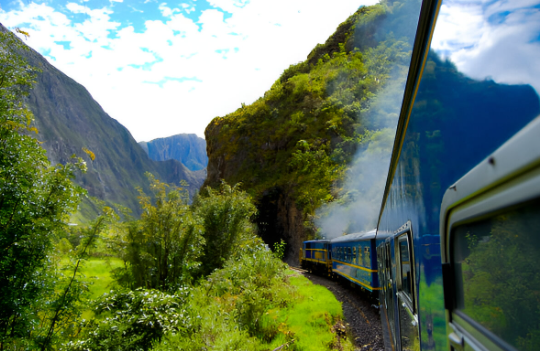
The altitude of Machu Picchu contributes to its mystique, offering breathtaking panoramic views of the surrounding peaks and lush valleys. However, it also means that visitors should take certain precautions to ensure they enjoy their visit without experiencing altitude sickness, also known as “soroche.”
Altitude sickness can affect anyone, regardless of age or fitness level, and symptoms can include headaches, nausea, dizziness, and shortness of breath. To minimize the risk, it’s advisable to spend a few days acclimatizing in Cusco or the Sacred Valley before ascending to Machu Picchu. Staying hydrated, eating light meals, and avoiding alcohol can also help mitigate symptoms.
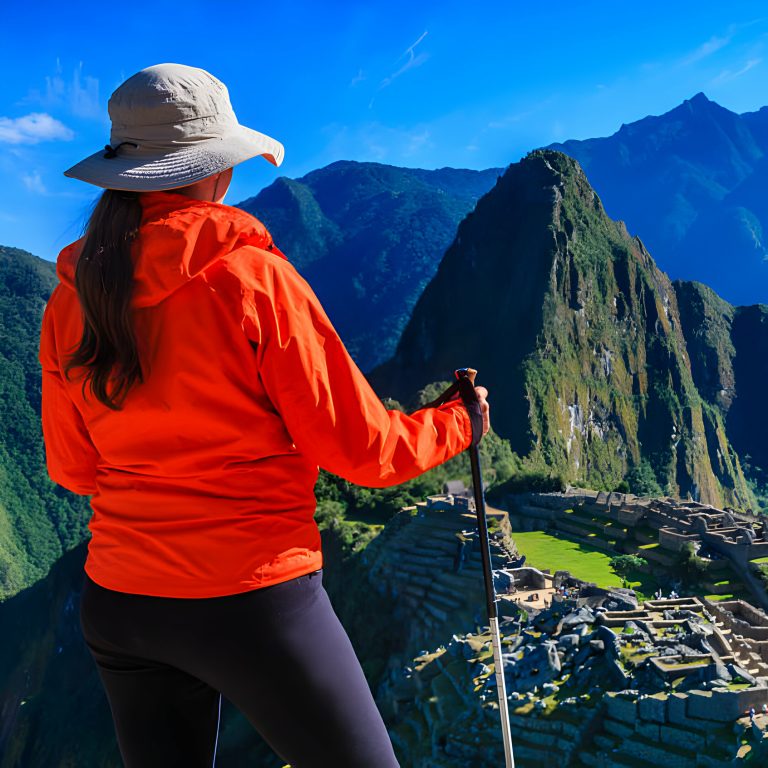
Despite the altitude, Machu Picchu is accessible to most travelers, including those with moderate fitness levels. The main site is relatively flat, but those planning to hike the more strenuous Huayna Picchu or Machu Picchu Mountain should be prepared for steep climbs and higher altitudes. The effort, however, is well worth it, as these hikes offer some of the most spectacular views of the ancient ruins and the surrounding landscape.
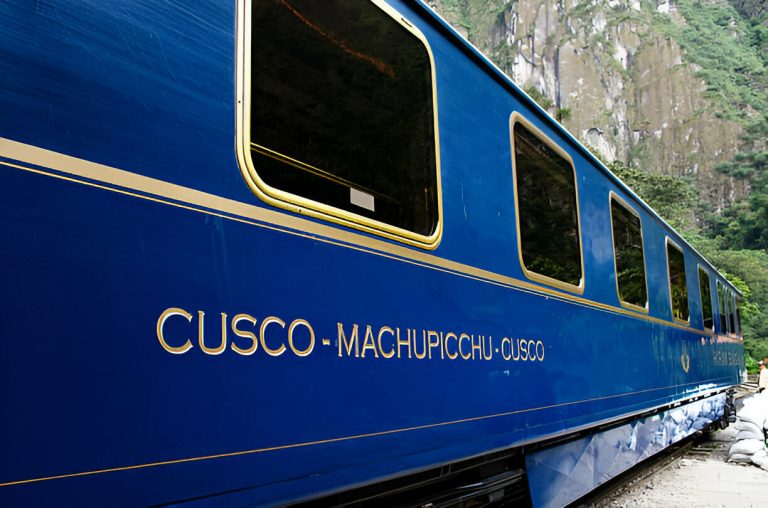
If you’re planning a trip to Machu Picchu, be sure to take the altitude into account as part of your preparation. For those looking to make the journey smooth and memorable, Peruways offers comprehensive travel services, including train tickets and guided tours, ensuring a comfortable and unforgettable experience at one of the world’s most awe-inspiring destinations.