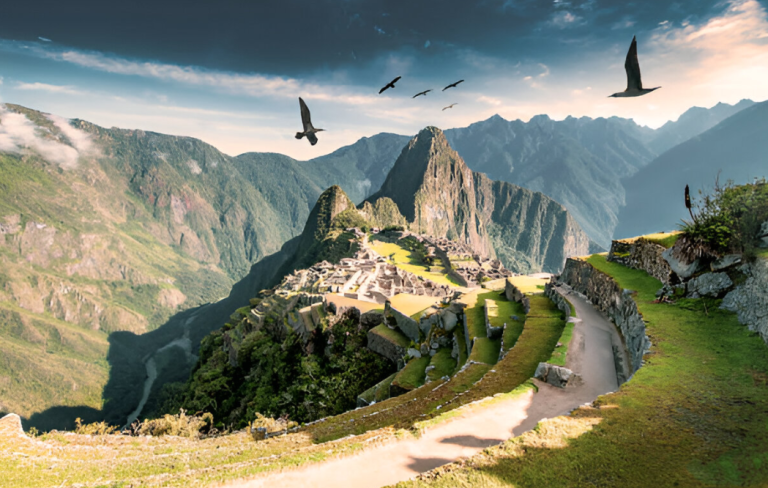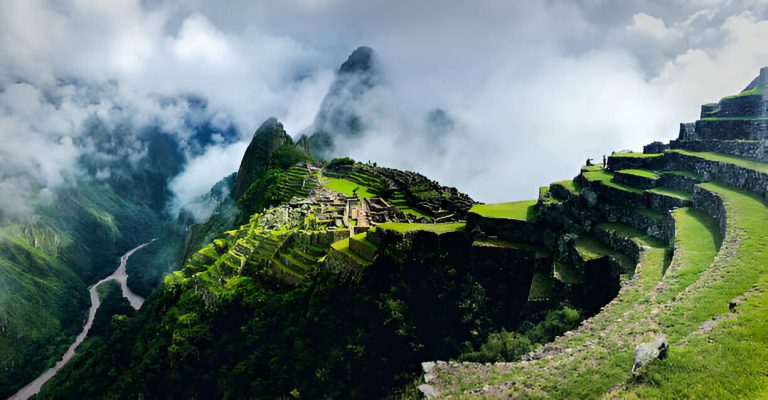

Machu Picchu, the famed Inca citadel, is perched at an elevation of approximately 2,430 meters (7,970 feet) above sea level. This altitude can impact visitors, making it important to prepare properly for a comfortable and enjoyable visit.
At this height, some travelers may experience altitude sickness, which can include symptoms like headaches, dizziness, and shortness of breath. To mitigate these effects, it’s crucial to acclimate to the altitude gradually. Spending a few days in Cusco or the Sacred Valley, which are at higher elevations, can help your body adjust before you visit Machu Picchu.
Hydration plays a key role in easing altitude discomfort. Drinking plenty of water is essential, as it helps your body adapt to the lower oxygen levels. Additionally, avoid heavy meals and alcohol, which can worsen altitude sickness. Some visitors find relief with traditional remedies such as coca tea, known for its natural properties that assist in altitude adaptation.
When planning your visit, consider the best time to arrive at Machu Picchu. Morning visits often offer clearer skies and fewer crowds, providing a better experience of the citadel’s stunning views and intricate architecture.
For more information on managing altitude effects and making the most of your trip to Machu Picchu, including essential travel tips and detailed guides, visit Peruways. This resource offers valuable insights to help ensure a smooth and memorable visit to this extraordinary site, taking into account the elevation and other key factors.