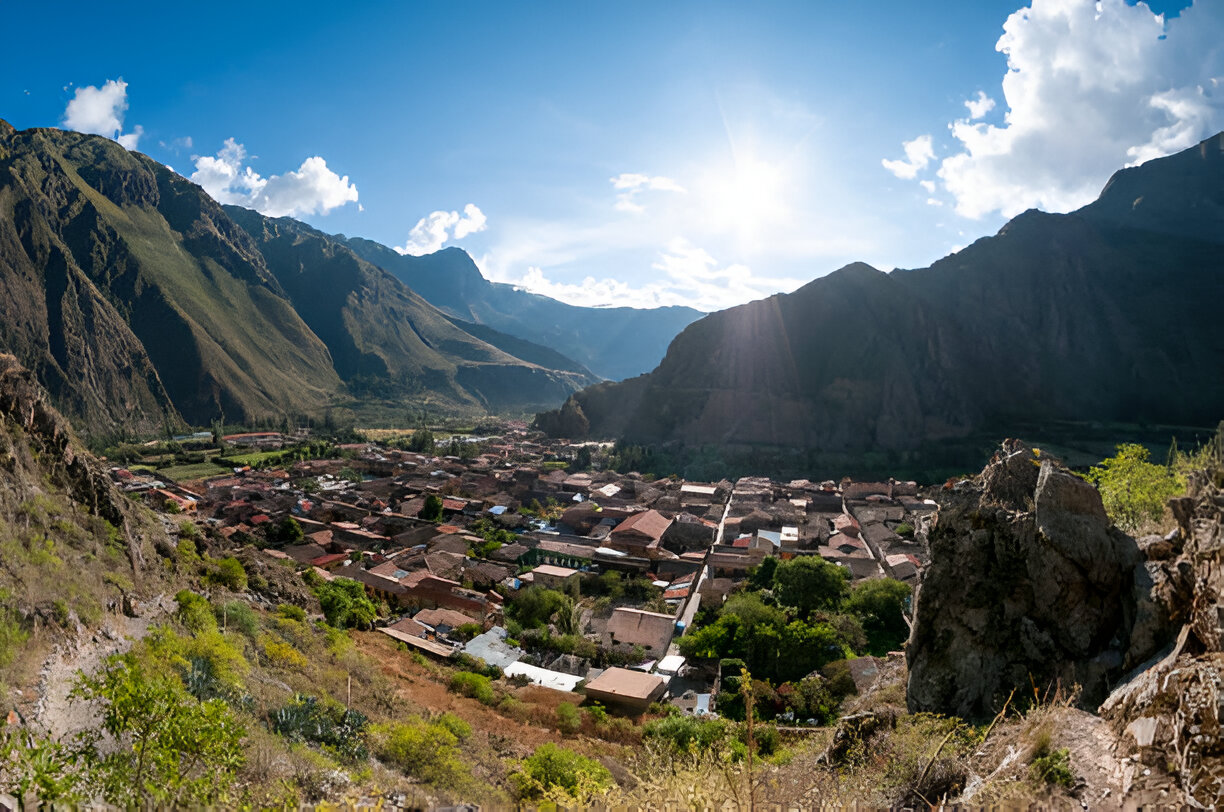
Ollantaytambo, a charming town nestled in Peru’s Sacred Valley, sits at an elevation of approximately 2,792 meters (9,157 feet) above sea level. This altitude plays a crucial role in shaping the unique experiences awaiting travelers in this picturesque destination. Understanding the effects of altitude can enhance your visit, making it a memorable adventure.
When arriving in Ollantaytambo, many visitors may experience mild altitude sickness, commonly known as “soroche.” Symptoms can include headaches, dizziness, and fatigue. To acclimatize effectively, it’s advisable to stay hydrated and take it easy during the first few days. Local herbal teas, such as coca leaf tea, are popular remedies that can help ease the transition to higher elevations.
The altitude of Ollantaytambo also contributes to its stunning landscapes and rich biodiversity. The surrounding mountains and valleys are home to diverse flora and fauna, making it an ideal spot for nature lovers and outdoor enthusiasts. Hiking opportunities abound, from the nearby Inca ruins to scenic trails that lead deeper into the Sacred Valley.
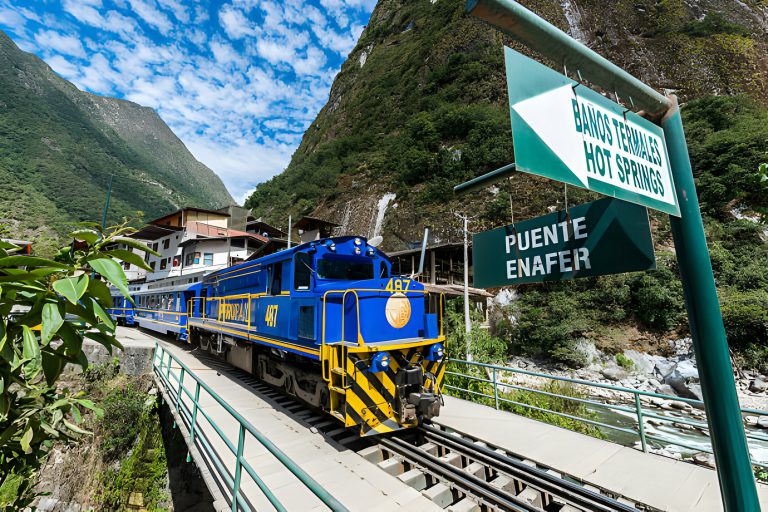
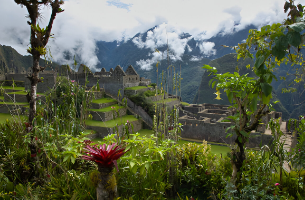
Moreover, Ollantaytambo serves as a gateway to the famed Machu Picchu, located at a slightly lower elevation of about 2,430 meters (7,970 feet). The journey from Ollantaytambo to Aguas Calientes via train is not only convenient but also offers breathtaking views of the Andes, allowing travelers to enjoy the beauty of the region without the strain of altitude.
For those planning a trip to Ollantaytambo, it’s essential to consider altitude when arranging your travel itinerary. To find the best travel tips and services, visit Peruways. With the right preparation, your experience in Ollantaytambo will be as enriching as the breathtaking views that await you.