Cusco, former capital of the Inca empire, sits at 3,400 m (11,200 ft) — high enough that most new arrivals feel it in the first 24 hours. The upside is dramatic views across the Andes and quick access to Machu Picchu, the Sacred Valley and Rainbow Mountain; the downside needs planning.
Altitude symptoms (headache, mild nausea, breathlessness, poor sleep) are normal on arrival from sea level. The standard advice: take it slow for 24–48 hours, keep hydrated, lay off alcohol the first day, eat light meals with carbs, and try the coca tea — it isn’t a placebo. If you’re prone to altitude issues, ask your doctor about acetazolamide before you fly.
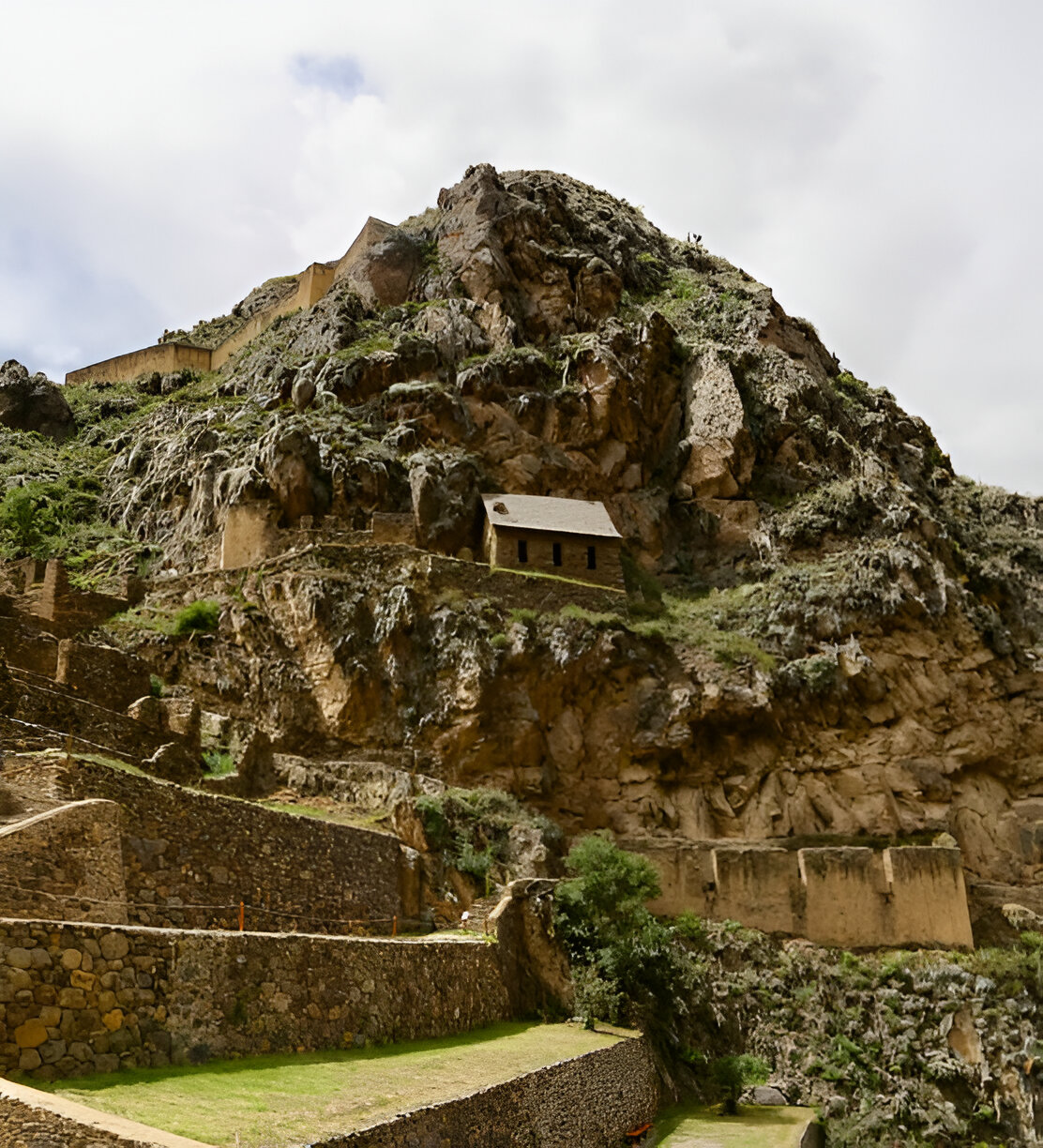
Cusco’s altitude is also what makes the surrounding ecosystems possible. The city is the base camp for the Sacred Valley, Ollantaytambo and Machu Picchu, so most trips put the first two nights here deliberately.
For a complete Cusco itinerary — acclimatisation day, Sacred Valley loop, Machu Picchu overnight — Peruways handles the packaging and the pacing. The sequence matters more than most first-timers expect.
In short: don’t push on your first day. Cusco rewards travellers who settle in before they climb anywhere.