Cusco sits at 3,400 meters (11,200 feet) — high enough that most travelers notice it in the first 24 hours. The city was the Inca capital, and the altitude is a lot of the reason it feels unlike anywhere else in Peru.
Acclimatization varies widely. Some travelers are fine; others get the standard mild AMS signs — headache, breathlessness, trouble sleeping, loss of appetite. The baseline mitigation is to arrive, do nothing strenuous for 24 to 48 hours, drink more water than you think you need, skip alcohol the first night, and let the city settle before you push for Rainbow Mountain or the Inca Trail. Coca tea (mate de coca) is the local remedy and works well enough that most hotels serve it on arrival.
The altitude also drives Cusco’s weather: cold nights year-round, warm midday sun, and rapid shifts from one to the other. Layers rather than a single jacket.
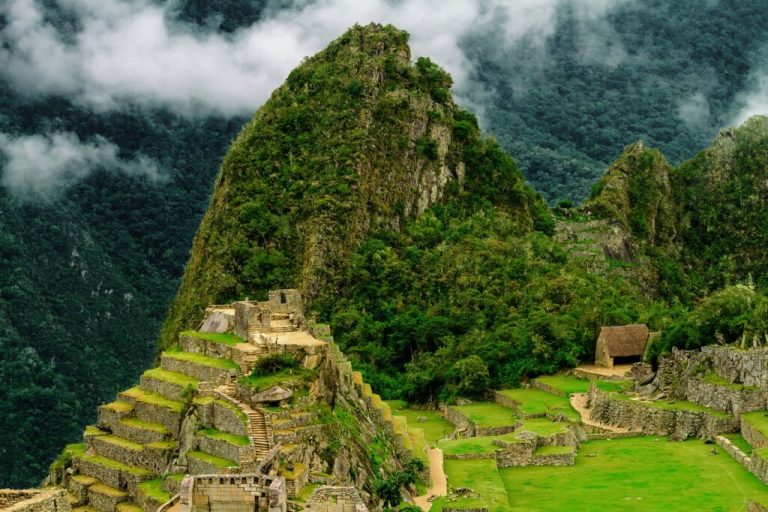
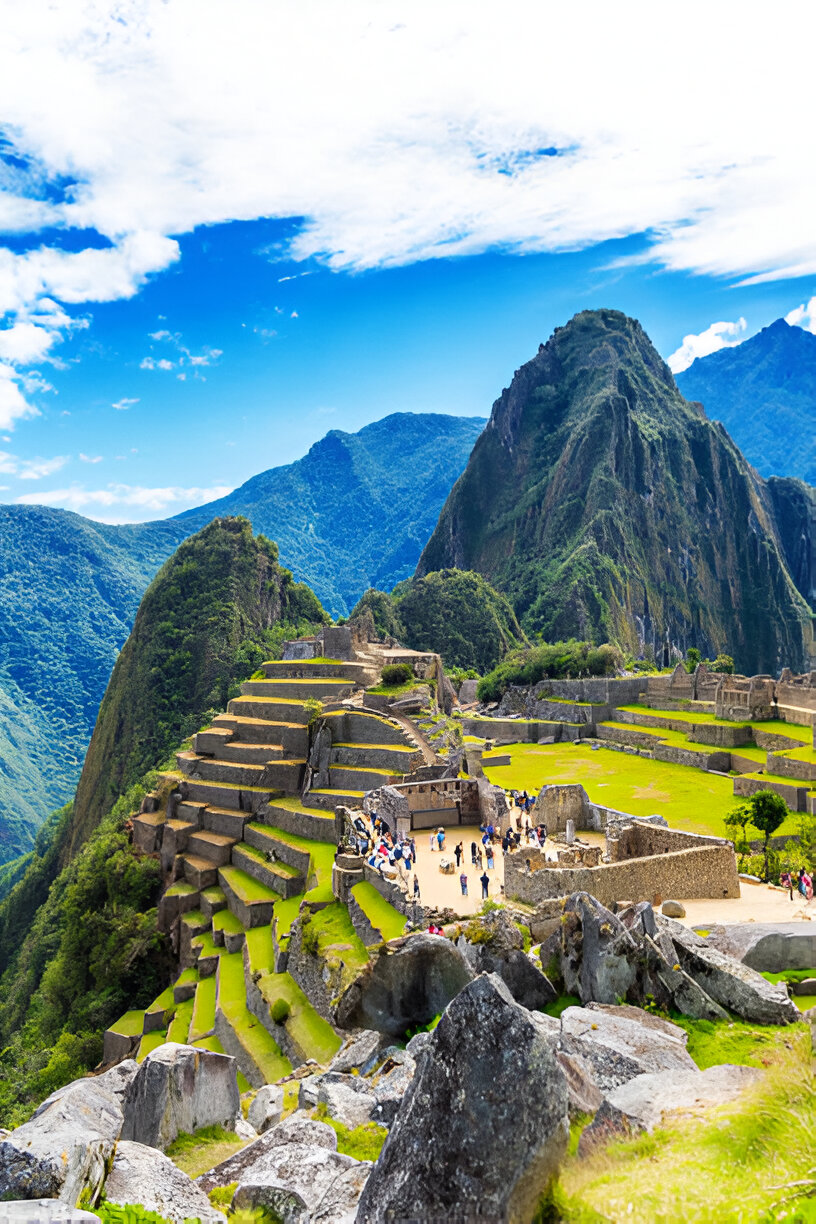
Cusco is also the staging point for Machu Picchu, which sits lower at 2,430 meters (7,970 feet). The altitude drop between the two is why most travelers find the Machu Picchu day easier than the Cusco arrival. For paired Cusco-and-Machu-Picchu bookings, Peruways runs packages that build in the acclimatization time rather than rushing the trains.
Take the first day slow and the rest of the trip works.