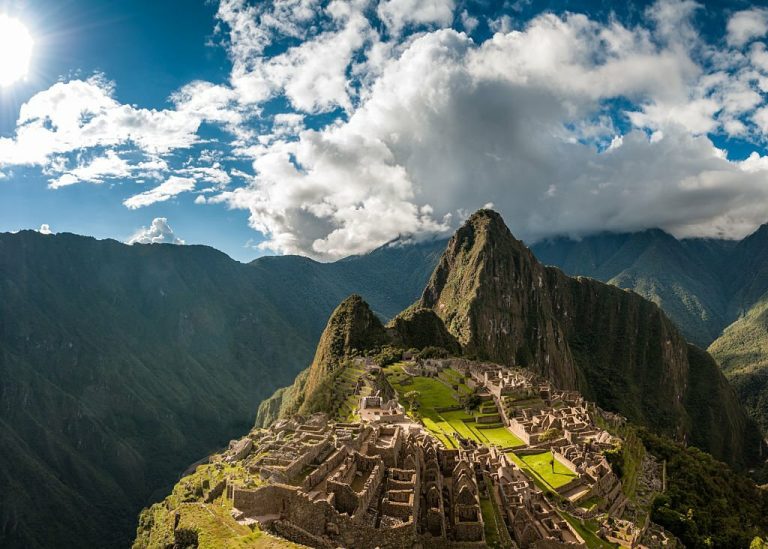

Machu Picchu, the crown jewel of the Inca Empire, stands as a testament to ancient engineering and cultural sophistication. Yet, despite its grandeur, this iconic citadel remains shrouded in mystery regarding its abandonment. Delving into the annals of history, several theories offer insights into why Machu Picchu was deserted.
One prevailing theory suggests that the decline of the Inca Empire played a pivotal role. By the early 16th century, internal strife, civil unrest, and external pressures from Spanish conquistadors had weakened the empire. It’s believed that Machu Picchu may have been abandoned amidst this tumultuous period, as political instability led to the relocation of its inhabitants.
Another theory revolves around the devastating impact of disease. With the arrival of European explorers and settlers came epidemics of smallpox, measles, and other illnesses to which indigenous populations had no immunity. Such diseases may have ravaged the population of Machu Picchu, contributing to its abandonment.
Environmental factors also come into play. The region surrounding Machu Picchu is prone to seismic activity and natural disasters, which could have rendered the site uninhabitable over time. Additionally, intensive agricultural practices, deforestation, and soil erosion may have led to resource depletion, making life at Machu Picchu unsustainable.
While the exact reasons for Machu Picchu’s abandonment remain speculative, its allure as a symbol of Inca ingenuity and architectural prowess endures. As visitors marvel at its ancient ruins and breathtaking vistas, they are drawn into a timeless enigma, pondering the secrets of this magnificent citadel.