
Capacocha — the term is Quechua, roughly “royal obligation” — was an Inca state ritual that involved the sacrifice of selected children at high-altitude shrines around the empire. The best-known Capacocha sites are the volcano summits of Ampato, Llullaillaco and Pichu Pichu, where frozen remains have survived for five centuries; the mummy known as Juanita, now in Arequipa’s Museo Santuarios Andinos, is the most famous.
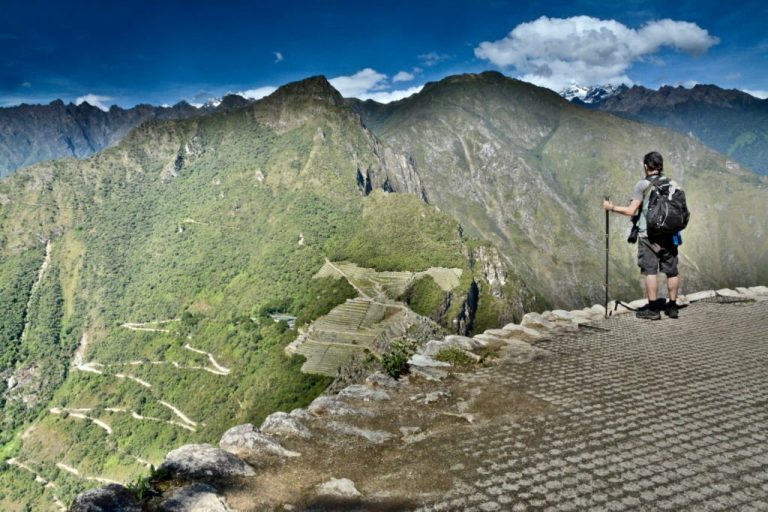
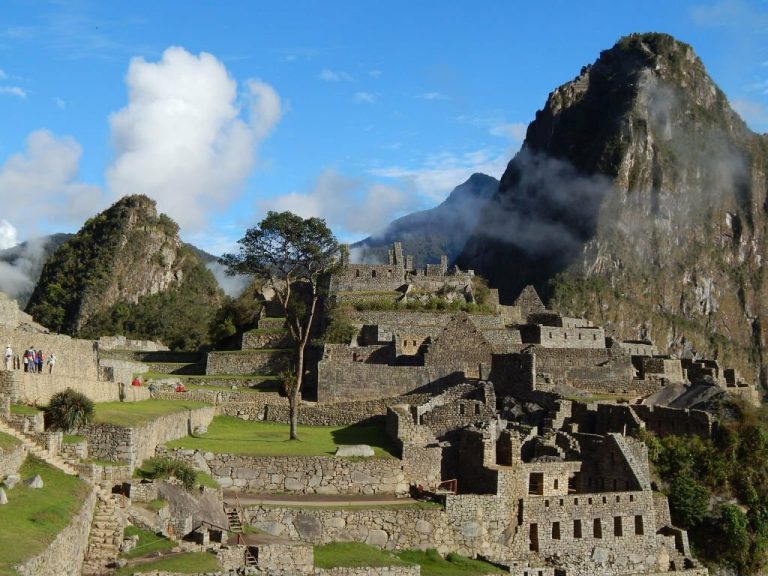
Machu Picchu’s relationship to Capacocha is indirect. The citadel was Pachacuti’s royal estate rather than a primary Capacocha shrine, but it sat inside the broader network of Inca ceremonial geography — the Qhapaq Ñan roads, the valley shrines, the mountain apus — that the ritual drew on. The Torreon’s solstice alignment and the Intihuatana’s calendrical function connect Machu Picchu to the state religion that gave Capacocha its justification.
Peruways’ guides read the ritual landscape in context — where Capacocha fits inside the Inca religion, how the volcanoes to the south of Cusco functioned as shrines, and what the archaeological record (not the colonial Spanish chronicles) actually tells us about the practice.
Book guided days at Machu Picchu and across the Sacred Valley through Peruways.