
Machu Picchu’s astronomical architecture is one of the citadel’s quieter stories — the Incas built the site, at least in part, as a working calendar. PeruWays’ tours cover the astronomy as closely as the stonework, which is the way the site really pays off.
Inca astronomical knowledge was built into the stones. Specific windows at the Temple of the Sun frame the sun at the June solstice; the Intihuatana ritual stone’s angles track solar position across the year; terrace alignments correspond to lunar and stellar events the Incas used for the agricultural calendar.
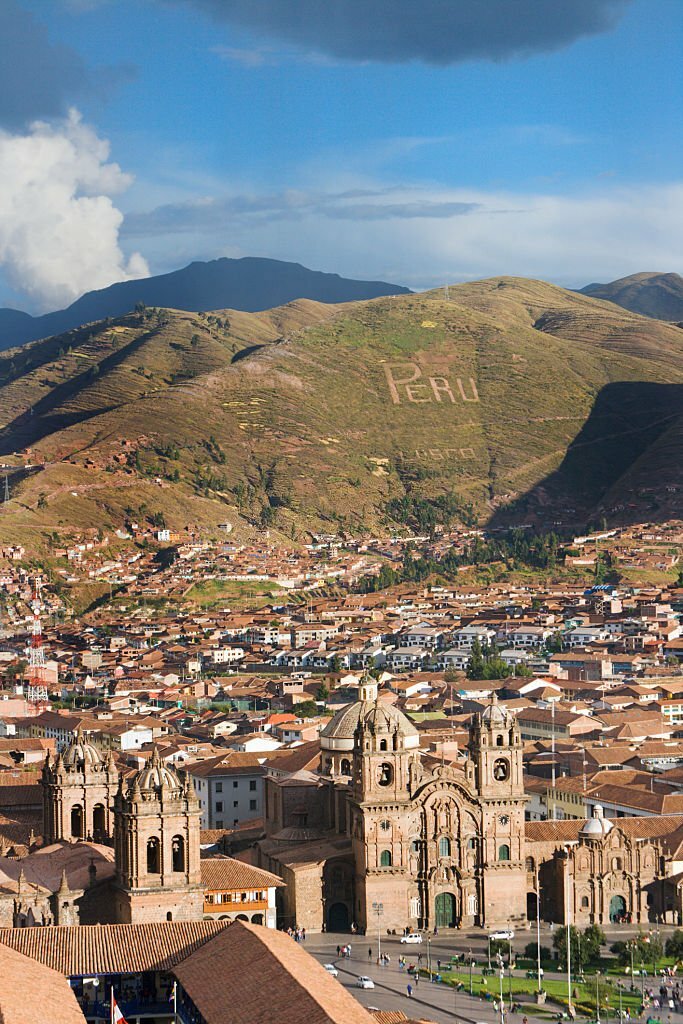
The headline event is Inti Raymi, the Festival of the Sun, celebrated around the June solstice. The ceremony honored the sun god Inti, and the Intihuatana at Machu Picchu — along with similar stones at other Inca sites — functioned as a ritual focal point. Modern Inti Raymi reenactments at Sacsayhuamán in Cusco draw crowds every June 24.
On-site, the astronomy reads differently when you’ve got a guide pointing out which stone catches which sunrise. PeruWays’ licensed guides handle the Inca-calendar layer alongside the standard circuit, so the architecture becomes an argument rather than just a view.
Book through a PeruWays package to pair the astronomy tour with the standard transport chain — train, bus, timed entrance — in one reservation. The itineraries are built to give the site the time its astronomy deserves rather than rushing the circuit.
The Inca calendar built into Machu Picchu’s stones is one of the citadel’s most durable surprises. PeruWays’ tours are set up to let you see it rather than walk past it.