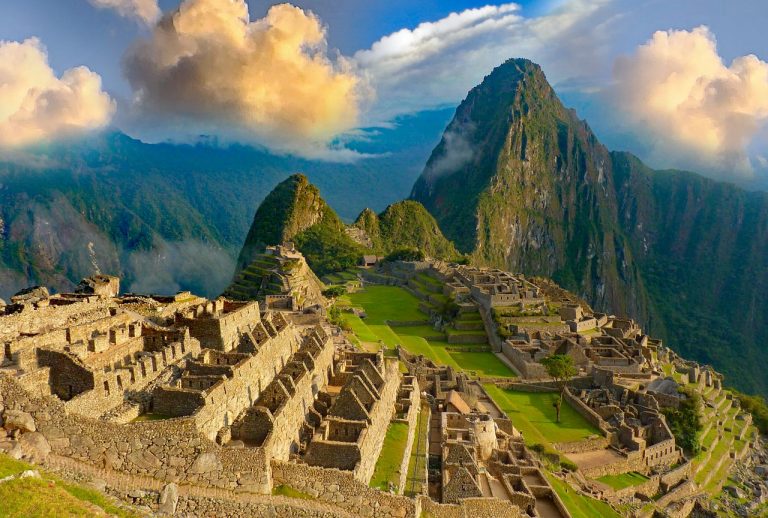

Machu Picchu, the Inca citadel set 2,430 metres up in the Andes, draws travellers to its temples, terraces and plazas — and above all to the stone steps that stitch the site together. These flights of worn granite are more than paths. They are how you read the citadel.
The steps were carved with precision, linking the agricultural terraces below to the ceremonial zones above and the residential clusters off to the side. Priests, farmers and nobles each had routes through the city; the stairs mapped social order onto rock.
Climb them today and the altitude bites quickly — pace yourself. Along the way you pass ritual fountains still fed by Inca-era channels, the small Sacred Plaza, and viewpoints out over the Urubamba gorge that frame the ruins against the surrounding peaks.
Peruways can set you up with a guide who knows which routes to take at which hours — early-morning Sun Gate, mid-morning Intihuatana, late-afternoon viewpoints — so you spend the day exploring instead of queuing.