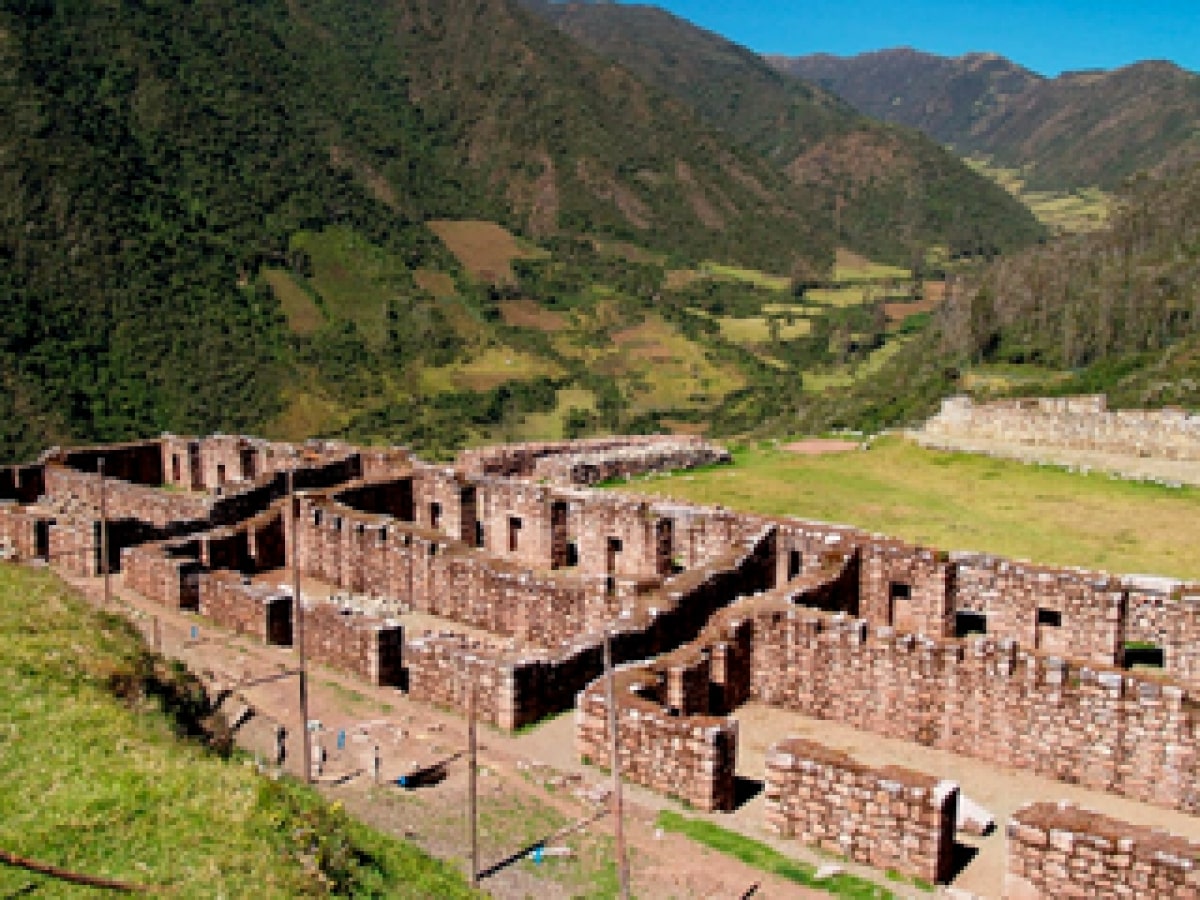
Hidden deep within the lush cloud forests of Peru lies a place steeped in mystery, resilience, and history—Vilcabamba, famously known as the Lost City of the Incas. While Machu Picchu often steals the spotlight, Vilcabamba tells a lesser-known yet equally captivating story: the final refuge of the Inca Empire after the Spanish conquest.
A Hidden Inca Stronghold
After the fall of Cusco to the Spanish in 1533, the Incas retreated into the remote jungle regions of southeastern Peru. It was there, in the Vilcabamba Valley, that they established a new capital and continued their resistance for nearly 40 years. This hidden city became the heart of the Neo-Inca State, ruled by successors of the great Inca emperors.
Founded by Manco Inca Yupanqui around 1539, Vilcabamba served as a stronghold for the last Inca rulers, including Sayri Túpac, Titu Cusi, and finally Túpac Amaru I. It wasn’t until 1572 that the Spanish discovered and conquered the city, marking the definitive end of the Inca Empire.
Rediscovery and Historical Significance
For centuries, the location of Vilcabamba remained a mystery. Early explorers confused it with Espiritu Pampa, another ancient site in the jungle. It wasn’t until the 20th century that historians and archaeologists confirmed that Espiritu Pampa was, in fact, the real Vilcabamba.
Though not as well-preserved as Machu Picchu, Vilcabamba holds immense historical value. Its remote location, dense vegetation, and challenging terrain helped protect it from looting and destruction for generations. Visiting Vilcabamba is like stepping back in time—a journey into the heart of the Inca resistance and resilience.
How to Visit Vilcabamba
Reaching Vilcabamba is not for the faint of heart. The site is located in the province of La Convención, in the Cusco region, and requires a combination of travel by road, river, and trekking. This adventure appeals to travelers seeking an off-the-beaten-path experience filled with nature, history, and a true sense of exploration.
Most visitors begin their journey from Cusco, heading toward the town of Huancacalle. From there, a multi-day trek through rugged terrain and lush forest leads to Espiritu Pampa. Along the way, you’ll encounter lesser-known Inca ruins, waterfalls, and local communities untouched by mass tourism.
Why Vilcabamba Matters
Vilcabamba is more than just an archaeological site—it is a symbol of Inca resistance and cultural pride. It reminds us of a civilization that refused to fade quietly into history and instead fought bravely to preserve its legacy. Visiting Vilcabamba offers a deeper understanding of Peru’s rich heritage and invites travelers to connect with the past in a meaningful and authentic way.
Plan Your Journey with PeruWays
If you’re looking to experience the true spirit of the Inca Empire, a trip to Vilcabamba is a must. At PeruWays.com, we help travelers plan unforgettable journeys across Peru, including routes to Machu Picchu and beyond. Whether you’re an adventure seeker or a history enthusiast, we make it easy to book tickets and organize your trip.
Let us be your trusted guide to Peru’s most remarkable destinations. Visit PeruWays.com to start planning your journey to Vilcabamba and uncover the secrets of the Lost City of the Incas.