As you journey through Peru’s Sacred Valley, you’ll find a peaceful village full of history and charm — Yucay. Surrounded by fertile fields and towering mountains, this small town holds an important place in Inca history. But you might wonder: What does Yucay mean?
The answer takes us back to the Quechua language, spoken by the Inca civilization and still alive today across the Andes. In Quechua, “Yucay” translates as “to plant” or “to sow.” This name perfectly reflects the town’s agricultural roots. For centuries, farmers have used Yucay’s rich soils to grow maize, potatoes, and other vital crops that supported not only local communities but also Inca royalty.
Some historians offer another interpretation. They suggest that Yucay symbolizes “a place of abundance” or “prosperity.” During Inca times, this region played a key role in feeding nearby cities like Cusco. In fact, several Inca rulers built estates here to oversee farming operations and to retreat into the peaceful valley landscape.
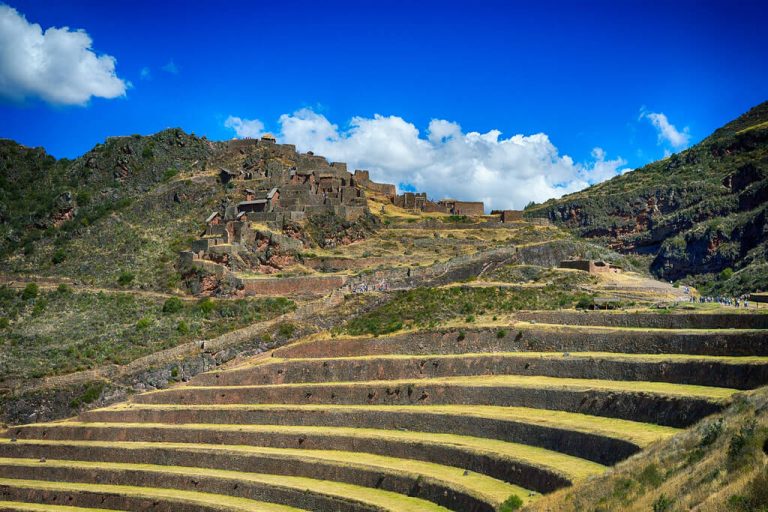
Today, Yucay continues to showcase its deep agricultural traditions. Visitors can admire the ancient Inca terraces carved into the hillsides or wander through colonial-era churches that blend European and Andean styles. Unlike more crowded tourist hubs, Yucay offers a quiet, authentic glimpse into Peru’s past and present.
Beyond its historical importance, Yucay charms every traveler with its friendly atmosphere and natural beauty. Traditional festivals, local farming methods, and a strong sense of community keep the spirit of the Sacred Valley alive here.
If you’re planning to explore the Sacred Valley, don’t miss the chance to experience Yucay’s timeless magic.
Book your tickets today with PeruWays.com and discover the hidden gems of Peru with ease and comfort!