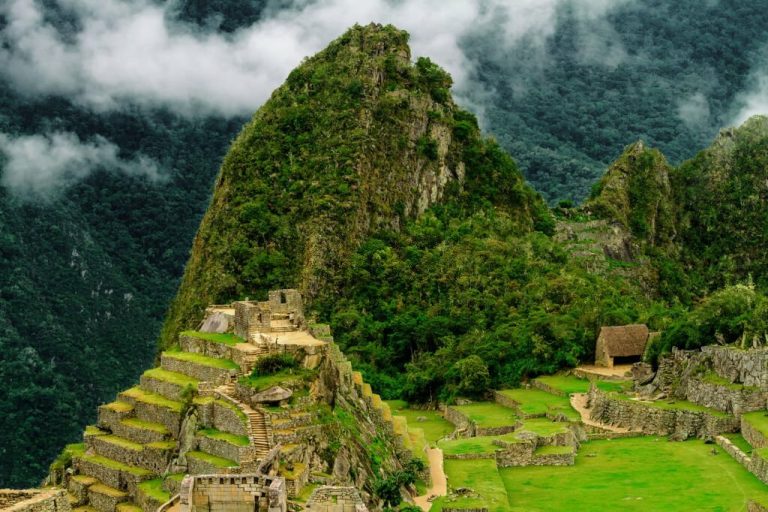

Cusco, the former capital of the Inca Empire, sits at an impressive elevation of 3,400 meters (11,152 feet) above sea level. This high altitude is one of the first things visitors notice upon arriving in the city, as it can have significant effects on the body. Many travelers experience mild symptoms of altitude sickness, such as headaches, shortness of breath, and fatigue, especially during the first few days.
To make the most of your trip, it’s important to take some precautions when adjusting to Cusco’s elevation. It’s recommended to spend a day or two acclimatizing before embarking on more physically demanding activities like visiting Machu Picchu or hiking in the Sacred Valley. Drinking coca tea, staying hydrated, and avoiding strenuous activities in the first 24 hours can help minimize the effects of the altitude.
Despite the challenges that come with high elevation, Cusco’s breathtaking scenery and rich cultural heritage make it worth the trip. Whether you’re exploring ancient Incan sites, hiking to the Rainbow Mountain, or simply strolling through the city’s charming streets, Cusco offers an unforgettable experience.
For more information on tours and travel tips for visiting Cusco, including transportation options, check out Peruways. They provide comprehensive guides and services to help you plan your journey to Cusco and beyond.