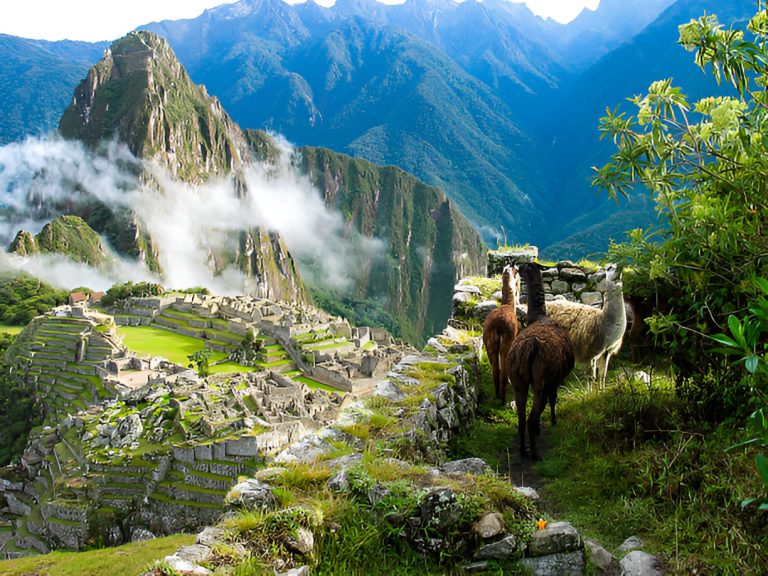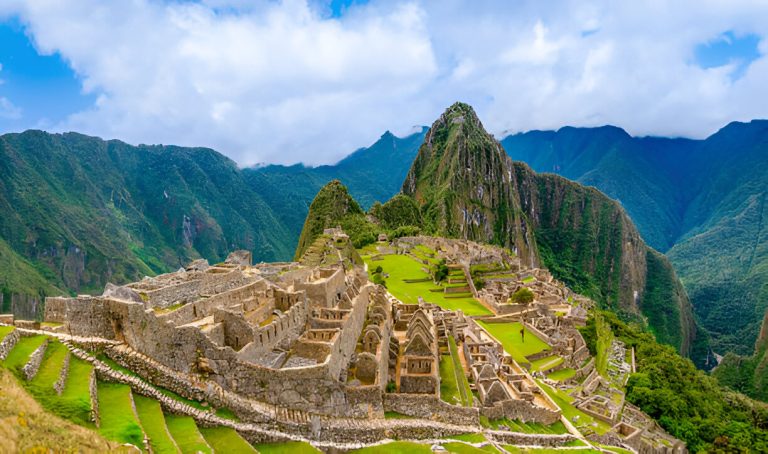
Machu Picchu, the breathtaking Inca citadel perched high in the Andes Mountains, sits at an altitude of approximately 2,430 meters (7,970 feet) above sea level. This elevation is a key factor for travelers to consider when planning their visit, as it can significantly affect your experience if you’re not properly acclimatized.
At such a high altitude, some visitors may experience symptoms of altitude sickness, which can include headaches, nausea, dizziness, and fatigue. To mitigate these effects, it’s crucial to allow your body time to acclimatize before ascending to Machu Picchu. Many travelers choose to spend a few days in Cusco, which is located at about 3,400 meters (11,155 feet), to help their bodies adjust to the altitude. Staying hydrated and avoiding heavy meals and alcohol during this time can also assist in acclimatization.
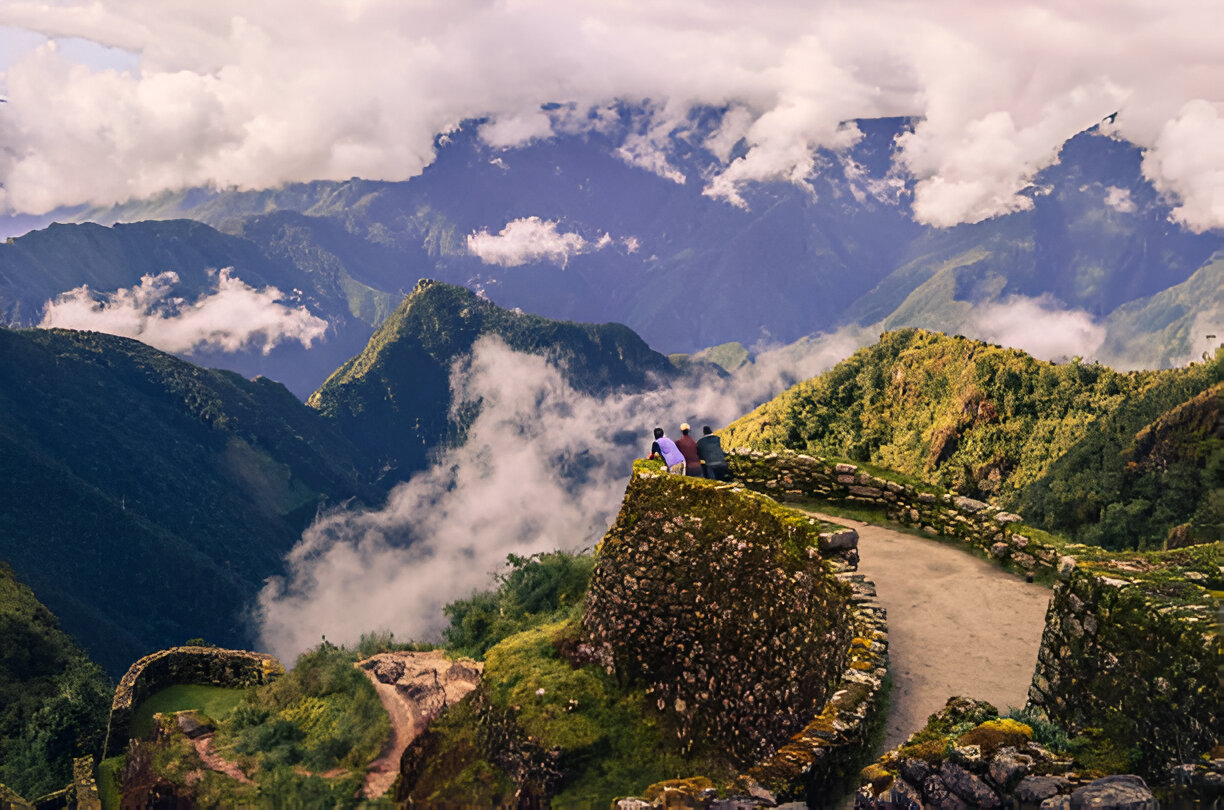
While the altitude of Machu Picchu can present challenges, the rewards are well worth it. The panoramic views of the surrounding mountains, lush greenery, and intricate stone structures are nothing short of breathtaking. The unique location and altitude also add to the mystique of this ancient site, which was once a royal estate for Inca emperors.
For those concerned about the effects of altitude, consider booking a guided tour that includes pre-acclimatization tips and support. Such tours often provide essential services, including transportation and meals, allowing you to focus on enjoying your experience. To find the perfect Machu Picchu tour tailored to your needs, visit Peruways. With their expertise, you can navigate the challenges of altitude while fully appreciating the beauty and history of this iconic destination. Whether you’re an adventurer or a casual traveler, understanding the altitude of Machu Picchu will enhance your visit to this incredible site.