
The Inca Empire ruled western South America for roughly a century before the Spanish arrived, and the political system that held it together is still a textbook example of how to govern mountain territory.
Power ran through the Sapa Inca, but it did not stay there. A council of nobles, regional governors (the four apu kuraka of Tawantinsuyu) and local kurakas kept decisions distributed, which is one reason the empire scaled from Cusco to modern-day Ecuador and Chile.
Economically, the Incas ran on reciprocity rather than currency. Labour tax (mit’a) went to the state, which in turn stored food in warehouses (qullqa) that fed the population during bad harvests. Roads, bridges and chaski runners connected the whole system.
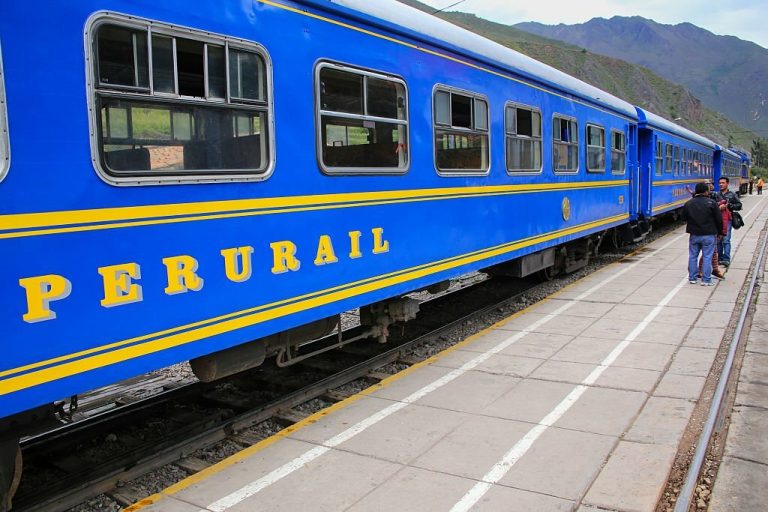
Visiting the archaeological sites brings that governance to life more than any book. Peruways runs guided tours through Cusco, the Sacred Valley and Machu Picchu, with trains, buses and timed-entry tickets bundled in.
Walk the terraces at Ollantaytambo, see the warehouses at Pisac and the storerooms at Machu Picchu, and the Inca state stops being an abstraction.
Plan and book with Peruways here.