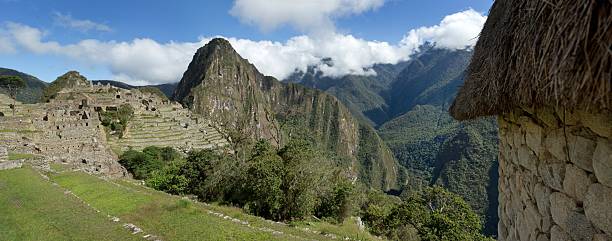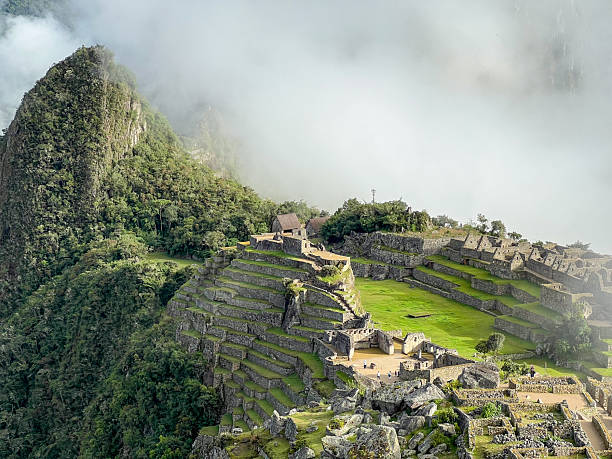
High in the Andes Mountains, Machu Picchu stands as one of the greatest achievements of the Inca civilization. More than a scenic landmark, it is a masterpiece of architecture, a center of astronomical observation, and a symbol of imperial authority.
Architectural Brilliance in the Clouds
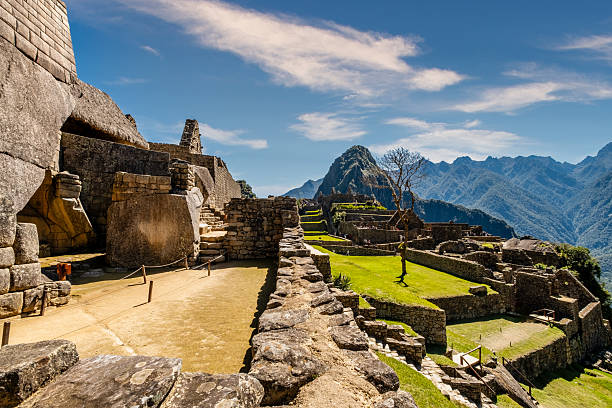
Built in the 15th century under the rule of Pachacuti, Machu Picchu reflects the peak of Inca engineering. The Incas built the city without mortar, wheels, or iron tools. They shaped massive granite stones so precisely that they fit together perfectly. This technique, known as ashlar masonry, made the structures strong and earthquake-resistant.
The site includes agricultural terraces, residential zones, and ceremonial spaces. The terraces served both as farmland and as an advanced drainage system. They protected the city from heavy rainfall and erosion. Each structure was carefully adapted to the natural landscape. This harmony reflects the Inca belief in balance between humans and nature.
A Sacred Connection to the Sky
Astronomy guided agriculture, religion, and political life in the Inca Empire. Machu Picchu was designed with clear alignments to important celestial events.
The famous Intihuatana stone likely functioned as a solar clock or ritual calendar. During the solstices, the sun aligns closely with this carved stone. These precise alignments show the Incas’ advanced knowledge of astronomy.
Another important structure is the Temple of the Sun. Its curved wall and trapezoidal windows capture the sun’s rays during the winter solstice. This design was intentional and symbolic. It honored Inti, the sun god, who was central to Inca belief.
Through these structures, the sky became part of daily and sacred life. Architecture and astronomy worked together to express spiritual meaning.
Authority and Imperial Power
Machu Picchu was likely a royal estate and ceremonial center. It was not an ordinary city. Its remote location and dramatic setting reinforced its exclusivity and prestige.
In Inca ideology, the emperor was considered the “Son of the Sun.” By building a site aligned with celestial movements, Pachacuti strengthened his divine authority. The city itself reflected cosmic order. This connection between heaven and earth supported imperial power.
Every temple, plaza, and carved stone communicated strength and control. Machu Picchu showed mastery over engineering, landscape, and sacred knowledge. It was both a political statement and a spiritual sanctuary.
Discover Machu Picchu with Experts
Today, Machu Picchu continues to inspire visitors from around the world. Walking through its terraces and temples reveals the genius of a civilization that united science, spirituality, and leadership.
If you are ready to explore this wonder of the Andes, our team is here to help. Visit https://peruways.com to learn more and book your unforgettable journey with Peruways.