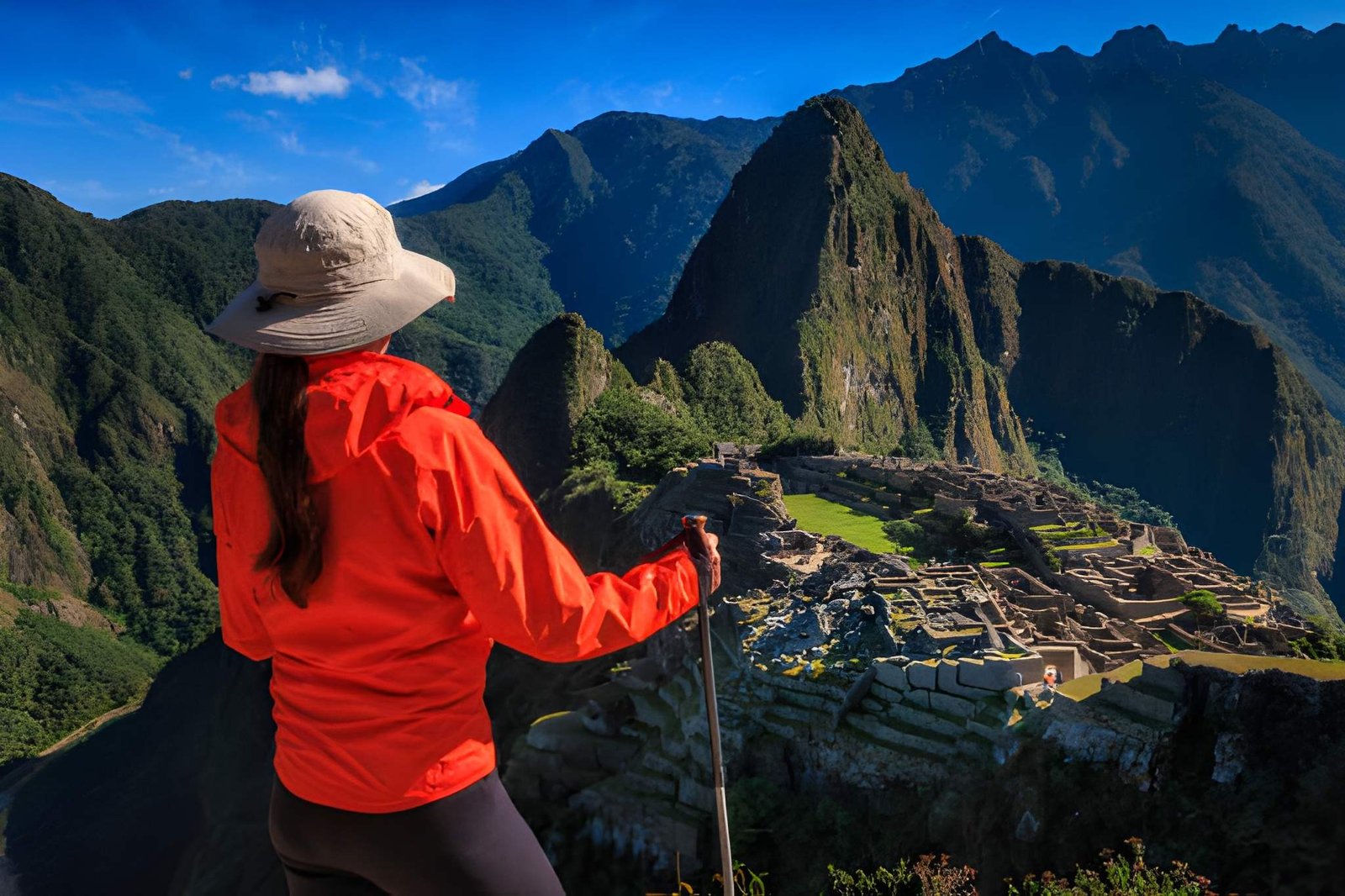
Visiting Machu Picchu is a dream for many travelers. Nestled high in the Andes Mountains of Peru, this UNESCO World Heritage Site stands at approximately 2,430 meters (7,972 feet) above sea level. While it’s not as high as some other Andean destinations, the altitude and terrain can raise questions about medical restrictions and physical requirements.
Here’s everything you need to know before planning your trip.
Are There Official Medical Restrictions?
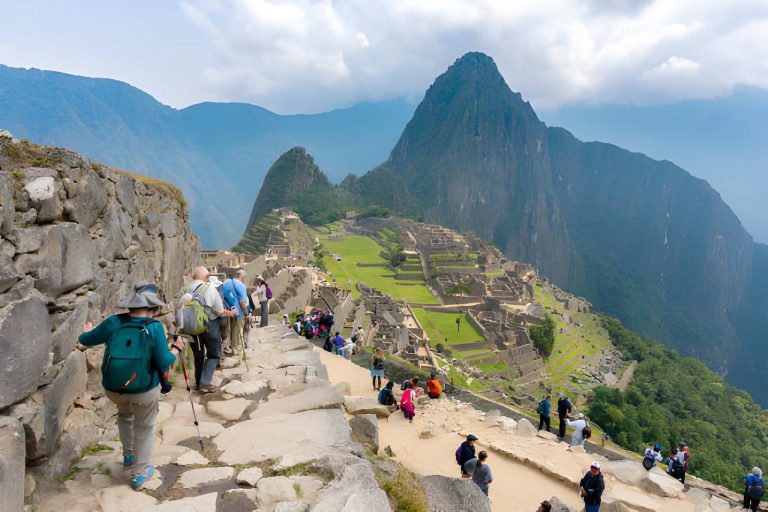
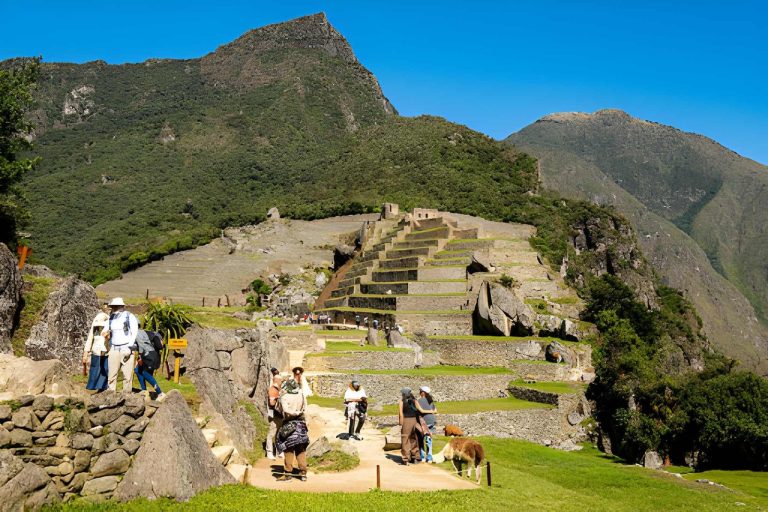
There are no official medical restrictions to enter Machu Picchu. Visitors are not required to present medical certificates or proof of fitness. However, the experience involves walking on uneven stone paths, climbing steps, and navigating steep areas, which can be physically demanding.
If you have underlying health conditions, it’s wise to consult your doctor before traveling — especially if you have:
Heart conditions
Respiratory issues (such as asthma)
High blood pressure
Recent surgeries or mobility limitations
What About Altitude Sickness?
Although Machu Picchu itself is at a moderate altitude, many travelers pass through Cusco, which sits at 3,399 meters (11,152 feet). Altitude sickness (soroche) is more common in Cusco than at Machu Picchu.
Common symptoms include:
Headache
Nausea
Dizziness
Fatigue
Shortness of breath
To reduce your risk:
Spend 1–2 days acclimatizing in Cusco before hiking
Stay hydrated
Avoid alcohol on your first day
Eat light meals
Consider coca tea (a traditional local remedy)
If symptoms become severe, seek medical attention immediately.
Is Machu Picchu Safe for Seniors?
Yes! Many seniors visit Machu Picchu every year. While the site involves walking and climbing, you can explore at your own pace. There are resting points throughout the citadel, and guided tours can be adjusted to match your comfort level.
For those with limited mobility, keep in mind that the terrain includes narrow paths and stone stairways. While there are some accessibility improvements, the site is not fully wheelchair-friendly due to its historic structure.
What If You Have Mobility Concerns?
Machu Picchu’s paths are uneven and often steep. Visitors with knee problems, balance issues, or mobility limitations should consider:
Using walking sticks (with rubber tips only)
Hiring a private guide for a slower pace
Avoiding additional hikes like Huayna Picchu
If you plan to climb Huayna Picchu or Machu Picchu Mountain, note that these hikes are much steeper and more physically demanding.
Traveling with Medical Conditions
If you rely on medication:
Bring enough medication for your entire trip
Carry prescriptions in original packaging
Keep medication in your carry-on bag
Basic medical services are available in nearby Aguas Calientes (also known as Machu Picchu Pueblo), but facilities are limited. For serious conditions, evacuation to Cusco may be necessary.
Travel insurance that covers high-altitude destinations is highly recommended.
Tips for a Safe and Enjoyable Visit
Wear sturdy, non-slip walking shoes
Use sun protection (hat, sunscreen, sunglasses)
Bring water but pack light
Take breaks and move slowly
Listen to your body
Most visitors — including those in their 60s and 70s — complete their Machu Picchu visit without medical issues when properly prepared.
Plan Your Machu Picchu Trip with Confidence
While there are no formal medical restrictions to enter Machu Picchu, preparation is key to ensuring a safe and unforgettable experience. Choosing a knowledgeable tour operator can make all the difference.
At Peruways, we specialize in personalized Machu Picchu tours designed for all fitness levels. Our expert team ensures proper acclimatization, comfortable pacing, and full support throughout your journey.
Ready to explore one of the world’s greatest wonders? Visit https://peruways.com and book your Machu Picchu adventure today!