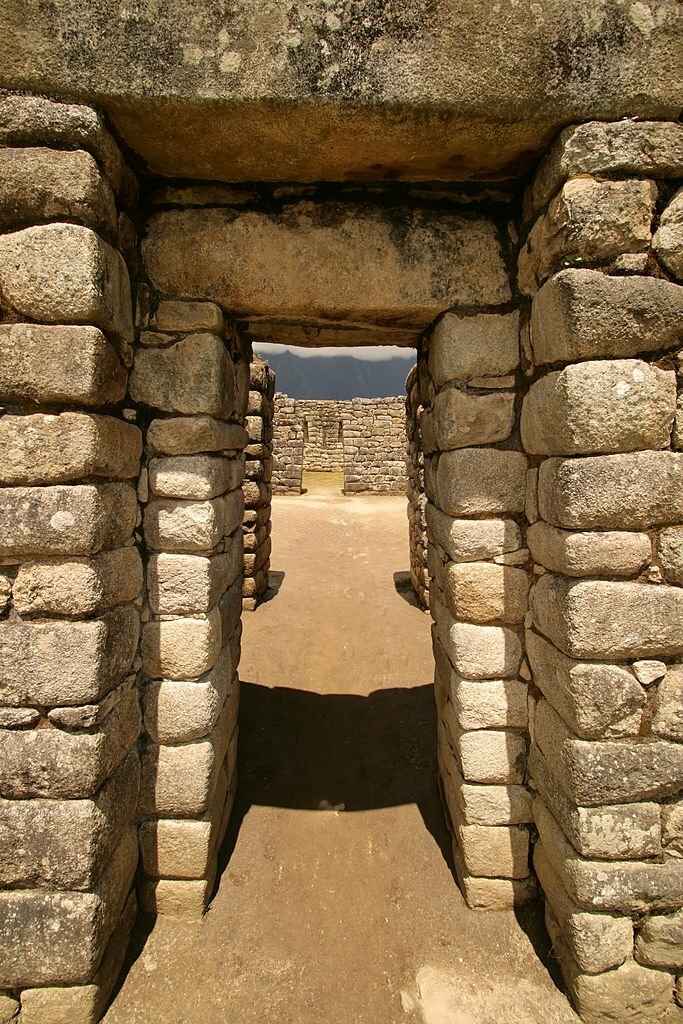

The Inka Bridge is one of Machu Picchu’s quieter corners — a flat 20-minute walk along a narrow ledge on the citadel’s western side, ending at a 20-metre gap in the cliff spanned by removable timbers.
The bridge was defensive: pull the timbers and the only approach from the western ridge was gone. For a 15th-century site built with no draft animals and no wheels, it’s a good example of how the Inca engineered a landscape they could close down if they needed to.
The trail itself is one of the easiest extensions beyond the main citadel — level, well-maintained, worth doing after the main circuit for the views back along the ridge. PeruWays guides can add context on why the Inca sited Machu Picchu where they did, how the western ridge connected to Choquequirao across the Vilcabamba range, and what the ongoing restoration programme has stabilised in recent years.
You’ll need a Circuit 1 or 2 entry ticket to access the Inka Bridge spur, and the ledge is closed if conditions are wet. Peruways checks the daily status when booking.
Book through PeruWays:
Beyond the Inka Bridge, Peruways runs the full Machu Picchu chain — train, Consettur bus, timed entry, guide — in a single reservation.
The Inka Bridge is the detail that reminds you Machu Picchu was a working city, not just a ceremonial one. Peruways can route you there efficiently.