Cusco, at 3,400 meters in the Peruvian Andes, is where most Peru trips start. It was the capital of the Inca empire and is still the biggest city in the region. The streets, markets, and churches here are a working mix of Inca stone and colonial Spanish architecture — one built on top of the other.
The historic center is small enough to walk. Cobbled lanes lead off the Plaza de Armas to small squares and buildings with Inca foundations and Spanish upper floors. The main markets — San Pedro especially — sell textiles, pottery, coca tea, and street food, and they’re worth an hour on their own.
The city’s museums cover the long arc of the region: pre-Columbian ceramics and metalwork, colonial religious paintings from the Cusco School, and contemporary Andean art. The Museo Inka and Museo de Arte Precolombino are the two to budget time for.
Festivals shape the calendar. Inti Raymi, the Inca festival of the sun, takes over the city at the June solstice; Carnival de Cusco runs in February with music, dancing, and street parades. If you can time a trip around either, do.
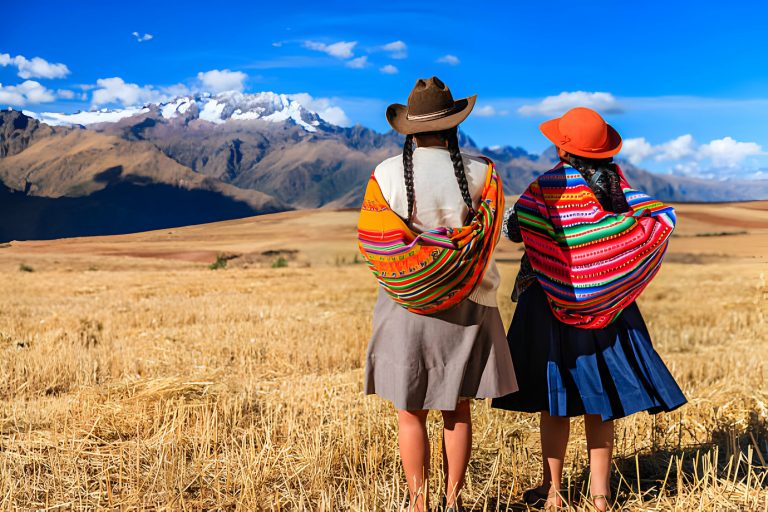
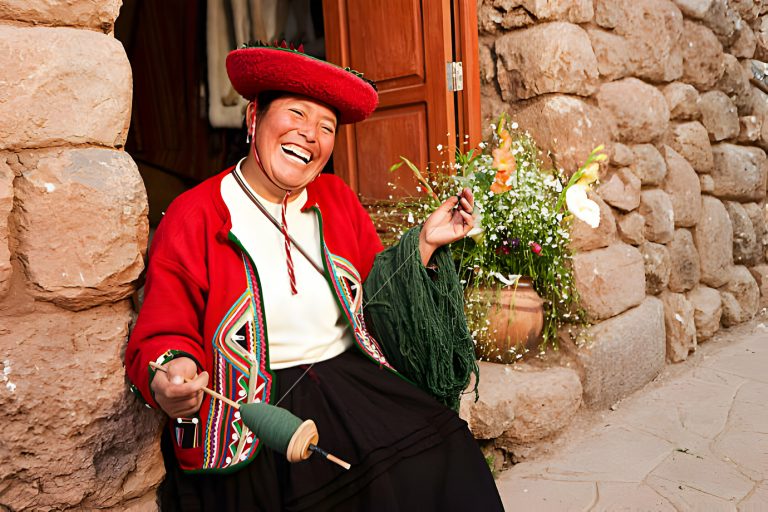
The city stays warm in large part because of the people living in it. Quechua-speaking communities from the surrounding mountains come into the markets and plazas, and the back streets of San Blas still have working artisan workshops. A ceremony, a weaving demonstration, or a cup of coca tea with the owner of a small cafe is often the thing travelers remember.
Cusco rewards slow travel. Plan a few days here before heading on to Machu Picchu or the Sacred Valley, and let the city set the tone for the rest of the trip.