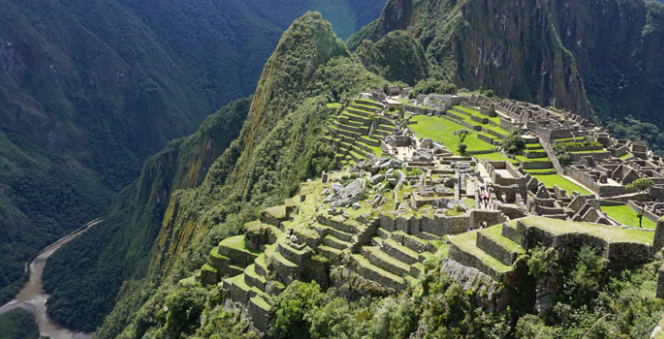
The walls of Machu Picchu, the renowned Inca citadel perched high in the Andes, are more than just structural elements—they are marvels of ancient engineering and artistry. Constructed with precision and care, these walls reveal much about the advanced skills of the Inca builders and their commitment to both functionality and aesthetics.
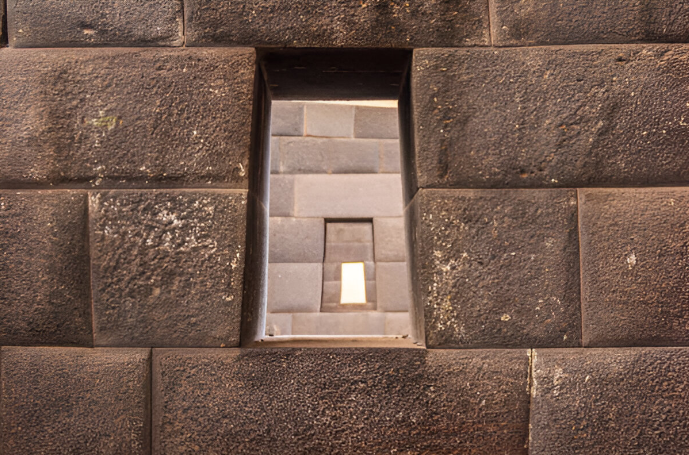
One of the most impressive aspects of Machu Picchu’s walls is their stone masonry. The Inca used precisely cut stones, fitted together without mortar, creating walls that have stood the test of time and seismic activity. The technique, known as ashlar masonry, involved shaping stones to fit perfectly with adjacent pieces, resulting in structures that are both durable and visually striking. This method not only contributed to the strength of the walls but also provided a visually appealing, seamless appearance.
Another noteworthy feature is the diverse wall styles found throughout Machu Picchu. From the perfectly squared blocks of the Main Plaza to the sloping, terraced walls of agricultural areas, each section of the citadel showcases different aspects of Inca architectural techniques. The walls of Machu Picchu not only supported the structures but also integrated seamlessly with the natural landscape, reflecting the Inca’s deep respect for their environment.
To fully appreciate the architectural brilliance and historical significance of Machu Picchu’s walls, consider using resources like Peruways. They offer detailed insights and expert guidance, helping you understand the intricacies of Inca masonry and enhance your visit.
For more information and to plan your exploration of Machu Picchu’s walls, visit Peruways. Their services will ensure you gain a deeper understanding of this extraordinary site’s engineering marvels.