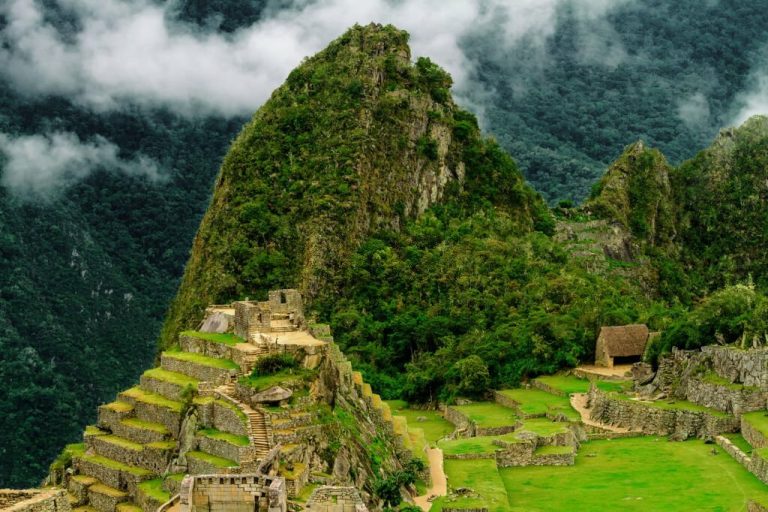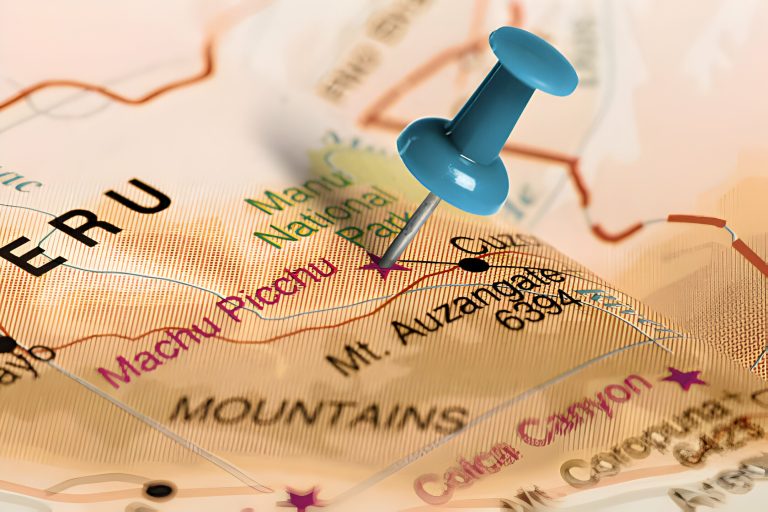
Machu Picchu is a 15th-century Inca complex in the eastern Peruvian Andes, built in a saddle between two peaks at 2,430 metres. Pachacuti ordered it; the construction ran for roughly a century before the Spanish Conquest ended work on major Inca projects.
The architecture is what gets it UNESCO status. Dry-set polygonal blocks with no mortar, walls leaning inward for earthquake resistance, blocks interlocking in all three dimensions. The water system still works. Five centuries of Andean seismic activity have moved almost nothing.
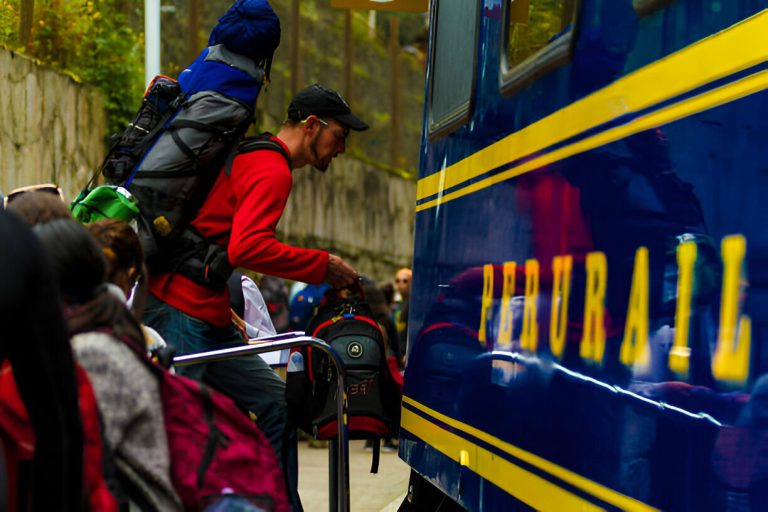
Getting there is a journey of its own. The train from Ollantaytambo takes 90 minutes down the Urubamba gorge; the Inca Trail is a four-day walk along the ridgelines above. Both end at Aguas Calientes, followed by a 25-minute Consettur bus up to the gate.
Key stops on the main circuits: the Temple of the Sun with the solstice window aligned to June 21, the Room of the Three Windows, the Intihuatana ritual stone cut from a single boulder, the agricultural terraces that fed the resident population.
Current entry uses three ticketed circuits with timed slots. A licensed guide is required for Circuit 1 and worth having anyway.