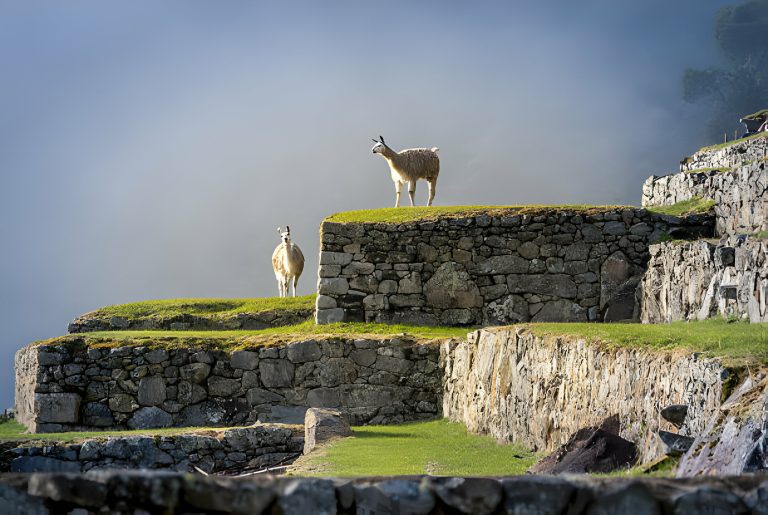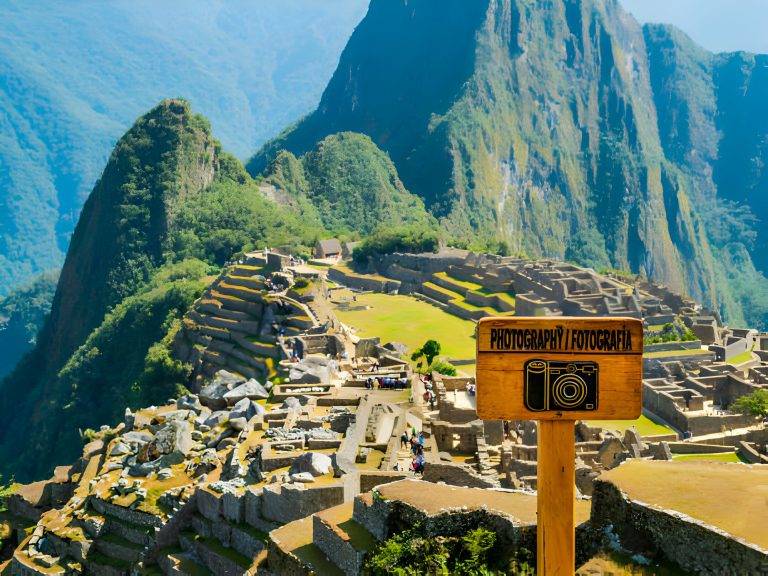

Machu Picchu, Pachacuti’s 15th-century royal estate in the Peruvian Andes, sits at 2,430 metres (7,970 feet). The citadel itself is manageable; the altitude work happens in Cusco at 3,400 metres beforehand. Here’s how to handle it.
Understanding Altitude Sickness
Altitude sickness — acute mountain sickness, or AMS — hits when you climb too fast for your body to adjust. Symptoms range from mild (headache, nausea, dizziness, breathlessness) to serious (vomiting, confusion). Most travellers get the mild version if they fly straight into Cusco without pacing.
1. Acclimatise Gradually
The single best thing you can do is spend two nights in Cusco or the Sacred Valley before Machu Picchu. The Sacred Valley at 2,800 metres is actually better than Cusco for sleep — many altitude-sensitive travellers overnight at Urubamba before heading up.
2. Stay Hydrated
Drink more water than feels normal — 3+ litres a day. Dehydration amplifies every symptom. Skip alcohol and limit caffeine on the first two days.
3. Eat Light
Smaller, more frequent meals, heavy on carbs. The digestive system runs slower at altitude; big heavy meals sit badly.
4. Pace Yourself
Walk slower than feels natural. Take stairs one at a time. The 30-minute uphill from Plaza de Armas to Sacsayhuamán is a reasonable gauge: if it exhausts you on day two, don’t commit to Rainbow Mountain on day three.
5. Medication
Acetazolamide (Diamox, 125 mg twice daily, starting 24 hours before ascent) is the standard pharmaceutical prophylaxis. Talk to a doctor before the trip.
6. Supplemental Oxygen
Hotels in Cusco and the Sacred Valley keep oxygen on hand. Ask the front desk; it’s free and routine. If symptoms are severe, descend.
7. Coca Tea
Mate de coca is a mild stimulant and vasodilator — Andean standard for centuries. Not a cure, but it helps the morning headache. Served everywhere in the highlands.
8. Watch Yourself
If your symptoms get worse rather than better over 24-36 hours — especially sharp headache, confusion or chest tightness — descend immediately. HAPE and HACE are rare but serious and only treated by losing altitude fast.
With a two-day acclimatisation window and the basics above, most travellers handle Machu Picchu without issue. The citadel at 2,430 metres is the easy part; Cusco at 3,400 is where the work is.
Ready to plan the ruins trip? Book your adventure here and get the acclimatisation chain working for you.