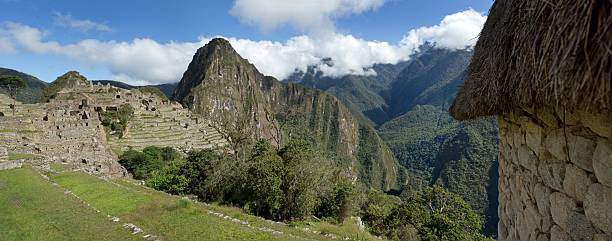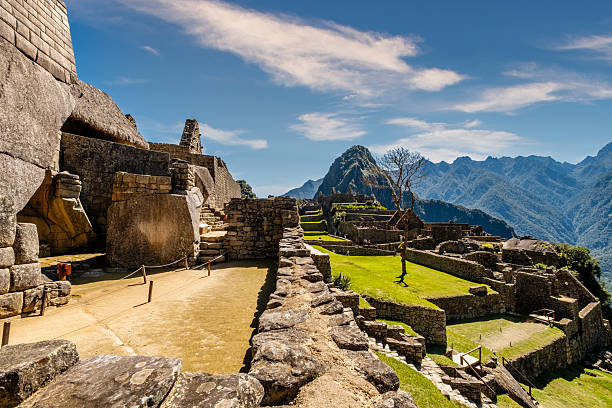
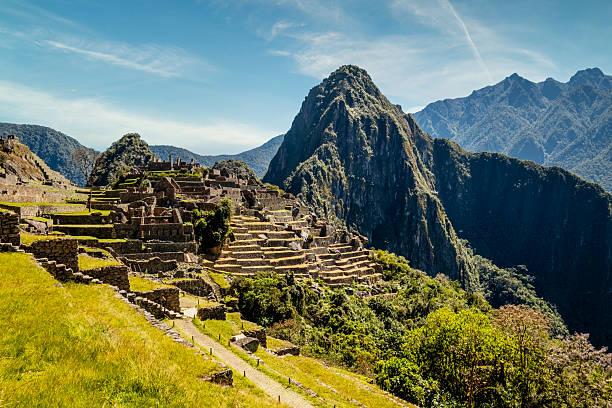
Hidden high in the Andes Mountains, Machu Picchu is one of the most breathtaking archaeological sites in the world. Often called the “Lost City of the Incas,” this 15th-century citadel continues to captivate travelers with its mysterious history, dramatic scenery, and remarkable engineering.
If you’re planning a trip to Peru, visiting Machu Picchu is an unforgettable experience — and this guide will help you prepare for it.
The History Behind Machu Picchu
Built during the reign of the Inca emperor Pachacuti in the mid-1400s, Machu Picchu served as a royal estate or sacred religious site. The Incas constructed the city with extraordinary precision, using massive stone blocks fitted together without mortar — a technique that has allowed the structures to withstand centuries of earthquakes.
Although the Spanish conquistadors never discovered it, Machu Picchu remained largely unknown to the outside world until American explorer Hiram Bingham brought international attention to the site in 1911.
Today, Machu Picchu stands as a UNESCO World Heritage Site and one of the New Seven Wonders of the World.
Where Is Machu Picchu Located?
Machu Picchu is located in southern Peru, about 80 kilometers (50 miles) northwest of Cusco, the former capital of the Inca Empire. The citadel sits at approximately 2,430 meters (7,970 feet) above sea level, surrounded by lush cloud forest and towering mountain peaks.
Most travelers begin their journey in Cusco before heading to the town of Aguas Calientes (also known as Machu Picchu Pueblo), which serves as the gateway to the ruins.
How to Get There
There are several ways to reach Machu Picchu:
1. The Classic Inca Trail
The legendary Inca Trail is a multi-day trek that leads directly to the Sun Gate overlooking Machu Picchu. This route combines stunning mountain scenery with fascinating archaeological sites along the way.
2. Train to Aguas Calientes
For a more comfortable journey, travelers can take a scenic train ride through the Sacred Valley to Aguas Calientes, followed by a short bus ride up to the citadel.
3. Alternative Treks
Routes such as Salkantay and Lares offer adventurous alternatives with fewer crowds and diverse landscapes.
What to See at Machu Picchu
Once inside, you’ll discover impressive landmarks such as:
The Temple of the Sun
The Intihuatana Stone (a ceremonial sundial)
The Room of the Three Windows
The agricultural terraces
Climbing Huayna Picchu, the iconic peak rising behind the ruins, offers panoramic views — but permits are limited and must be booked in advance.
Best Time to Visit
The dry season (May to September) is the most popular time to visit, offering clear skies and ideal trekking conditions. The rainy season (November to March) brings fewer tourists and lush green landscapes but also occasional heavy showers.
Regardless of the season, booking your entrance tickets and tours early is highly recommended, as daily visitor numbers are strictly regulated.
Travel Tips
Spend at least one day acclimatizing in Cusco before visiting.
Bring your passport — it’s required for entry.
Wear comfortable walking shoes and bring sun protection.
Hire a knowledgeable guide to fully appreciate the site’s history and symbolism.
Plan Your Machu Picchu Adventure
Exploring Machu Picchu is more than just sightseeing — it’s a journey into one of the most fascinating civilizations in history. From scenic train rides to unforgettable treks, every step of the adventure is extraordinary.
Ready to experience Peru’s ancient wonder? Visit https://peruways.com to explore our tailored tours and book your Machu Picchu adventure today. Let us help you create a once-in-a-lifetime journey to the heart of the Inca Empire.