In the heart of the Andes lies Cusco, a city where civilizations overlap and history speaks through stone. Once the capital of the mighty Inca Empire, today Cusco remains a powerful spiritual center. Its most iconic transformation — from the sacred Sun Temple to the grand Cathedral — tells a story of faith, conquest, resilience, and cultural fusion.
The Sacred Legacy of Qorikancha
Long before colonial balconies and baroque altars adorned the city, Qorikancha stood as the most sacred temple of the Inca world. Known as the Temple of the Sun, it was dedicated to Inti, the Sun God, the supreme deity of the Inca civilization.
The temple’s walls were once covered in sheets of gold, reflecting sunlight in a dazzling display of devotion and power. Inside, priests conducted ceremonies aligned with astronomical events, reinforcing the Inca belief in harmony between earth, sky, and humanity. Even today, the precision of the stonework — perfectly cut blocks fitted without mortar — reflects the advanced engineering and spiritual dedication of the Incas.
Though much of its original splendor was stripped away during the Spanish conquest, the foundations remain intact, silently preserving the sacred energy of the site.
The Rise of Santo Domingo
With the arrival of the Spanish in the 16th century, Cusco’s spiritual landscape changed dramatically. The conquistadors built the Convent of Santo Domingo directly atop Qorikancha’s foundations. This architectural decision was both symbolic and strategic — replacing Inca religious authority with Catholic power.
Yet rather than erasing the past, this fusion created one of the most fascinating historical layers in South America. Today, visitors can see the seamless blend of Inca stone walls supporting colonial arches and chapels. Earthquakes that damaged colonial structures left the Inca foundations standing firm, a powerful reminder of the endurance of Andean culture.
The Majesty of Cusco Cathedral
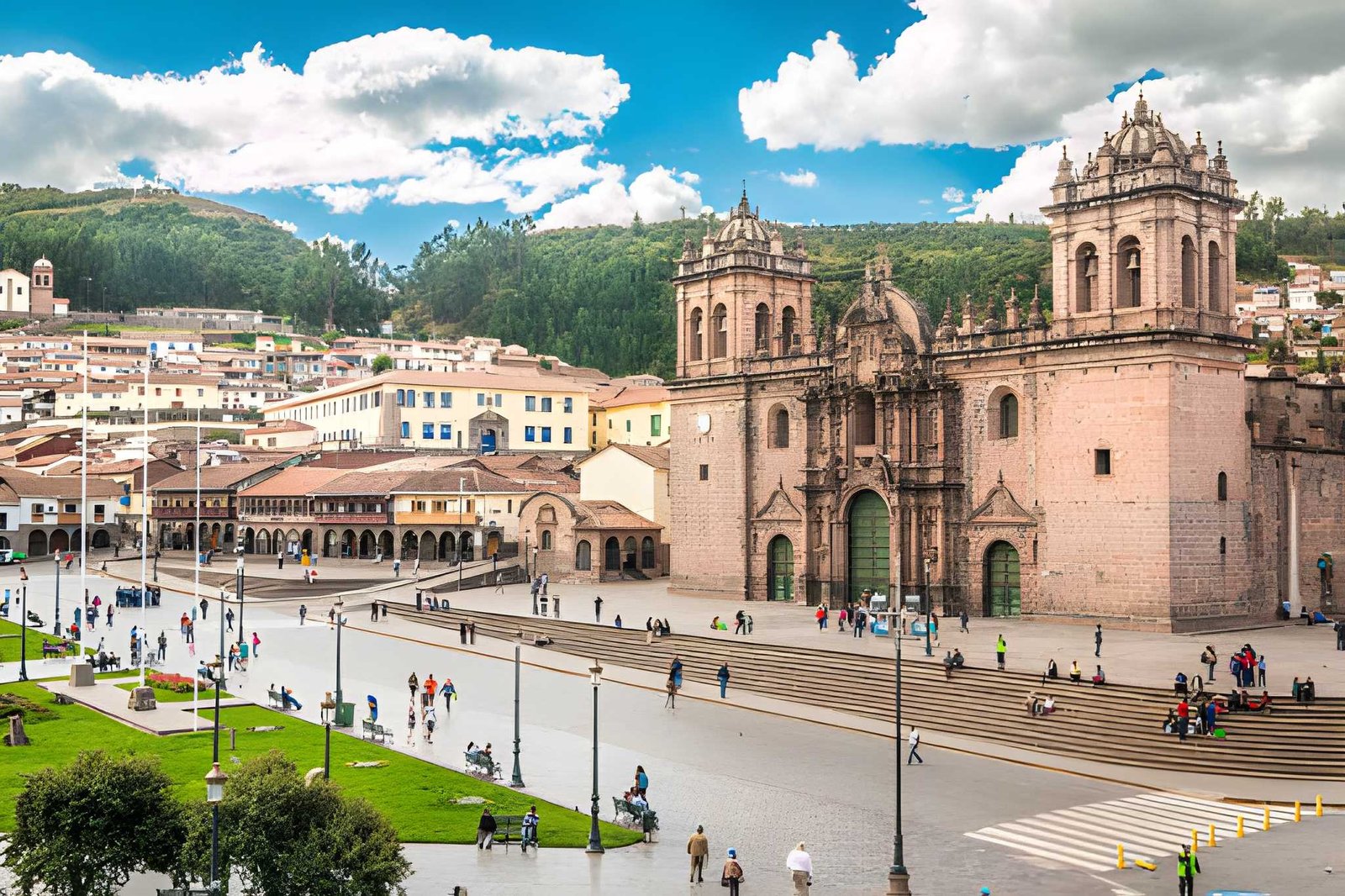
Just a short walk away, on the city’s main square, stands the magnificent Cusco Cathedral, built between 1559 and 1654. Constructed using stones taken from Inca temples and palaces, the Cathedral symbolizes the dramatic transition from one spiritual era to another.
Inside, visitors discover a masterpiece of colonial art known as the Cusco School. Indigenous artists reinterpreted European religious themes through an Andean lens. One of the most famous examples is the painting of the Last Supper, where Christ and the apostles share a traditional Andean dish: roasted guinea pig.
The Cathedral is not merely a religious building — it is a living museum of cultural blending, faith, and identity.
A City Where Faith Endures
Cusco’s spiritual heart does not belong to one era alone. It beats through ancient Inca ceremonies, colonial processions, and modern-day celebrations. During festivals like Inti Raymi and Corpus Christi, the city comes alive, revealing how traditions continue to coexist.
Walking from Qorikancha to the Cathedral is more than a sightseeing route — it is a journey through centuries of transformation. It is where sun worship meets sacred mass, where Andean cosmology intertwines with Catholic devotion, and where history remains beautifully alive.
If you’re ready to explore the spiritual soul of Cusco and uncover the stories hidden within its stones, we invite you to discover it with us.
Visit https://peruways.com and book your unforgettable journey to the heart of the Andes today.