Machu Picchu — the iconic citadel set high in the Andes Mountains of Peru — ranks among the world’s most breathtaking archaeological sites and a must-see for travelers. However, despite its majestic beauty and cultural significance, this ancient wonder isn’t suitable for everyone. Certain health issues, physical limitations, and official travel guidelines mean that some visitors should avoid or carefully reconsider a trip to Machu Picchu.
At Peruways (https://peruways.com), we want every traveler to be safe and informed. Below, we break down who should think twice before booking their journey and what alternatives or precautions you should consider.
1. People with Severe Heart or Respiratory Conditions
Machu Picchu sits at 2,430 meters (7,970 feet) above sea level, while the starting point of many treks — like the Inca Trail — reaches even higher elevations. High altitude reduces oxygen levels and places extra stress on the cardiovascular and respiratory systems.
Visitors with conditions such as:
Uncontrolled hypertension
Heart disease or arrhythmias
Chronic obstructive pulmonary disease (COPD)
Severe asthma may experience symptoms like shortness of breath, chest pain, or worsening of their condition.
Tip: If you have any serious medical condition, consult your doctor before planning your visit — altitude sickness can strike even those in good health.
2. Travelers Prone to Altitude Sickness
Altitude sickness (acute mountain sickness) isn’t just “mild discomfort.” It can range from headaches and nausea to dangerous complications like high altitude pulmonary edema (HAPE) and high altitude cerebral edema (HACE).
Anyone who:
Has previously struggled with altitude adjustments,
Plans to ascend too quickly without proper acclimatization,
Arrives directly from low altitude without resting in Cusco or Sacred Valley, might be at risk.
Official health guidelines recommend spending at least 1–2 days in Cusco before heading up to Machu Picchu to acclimate slowly.
3. Individuals with Limited Mobility
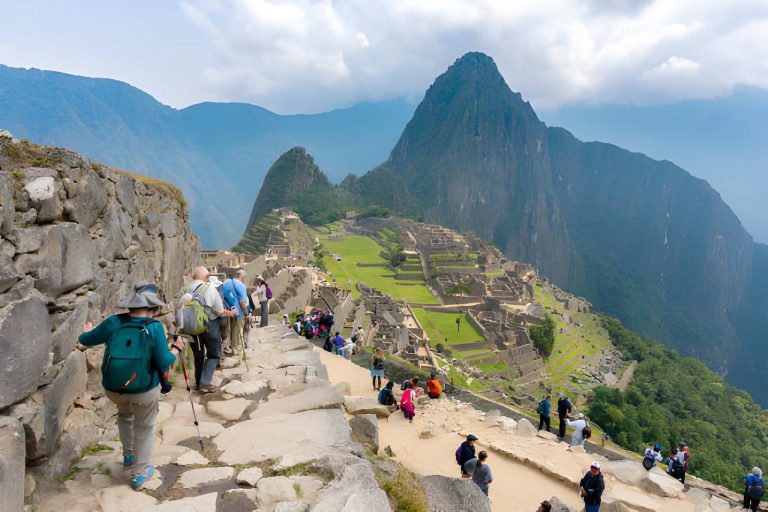
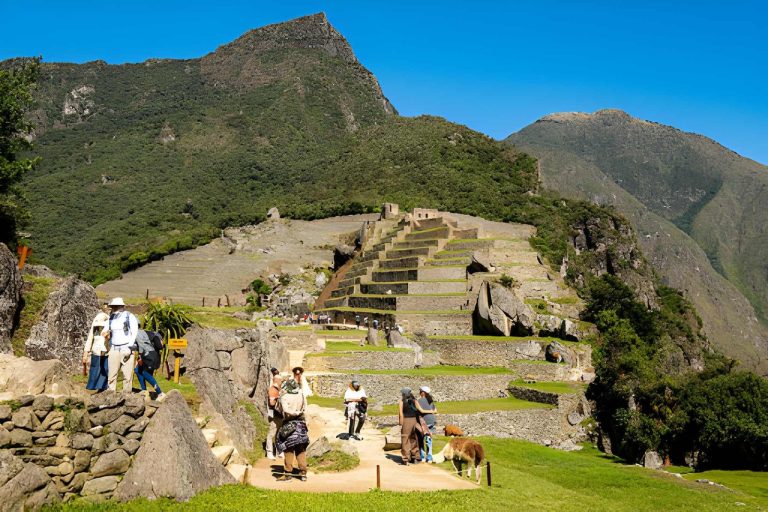
Although Machu Picchu has improved access in recent years, it remains a mountainous and uneven site with many steep steps, narrow paths, and rocky terrain. There are no elevators and limited wheelchair access.
Those who have:
Severe balance issues,
Limited walking ability,
Conditions requiring constant support, will find much of the site challenging or unsafe.
Alternative: Consider viewpoints like the Machu Picchu Sanctuary Park viewpoints that offer easier access without navigating the main citadel’s steep terrain.
4. Pregnant Travelers (Especially in Later Trimesters)
Pregnancy alone is not a strict contraindication, but doctors typically caution expectant mothers due to:
Reduced oxygen at high altitude,
Physical strain from hiking and uneven walks,
Limited immediate medical care in remote areas.
If you’re pregnant, speak with your healthcare provider about the risks well before planning your visit.
5. Those with Recent Surgeries or Severe Injuries
Visitors recovering from:
Recent major surgery,
Severe sprains or fractures,
Joint replacements, might find the uneven stone paths and long periods of walking over difficult terrain aggravate their condition.
Even with rest stops and guides, Machu Picchu requires significant walking and balance.
Prevention and Safe Travel Tips
If you do choose to visit, these official suggestions can make your trip safer and more enjoyable:
✔ Acclimatize in Cusco or the Sacred Valley before ascending.
✔ Stay well-hydrated and avoid alcohol upon arrival.
✔ Take it slow — move at your own pace.
✔ Consider portable oxygen or altitude medication if recommended by a doctor.
✔ Use sturdy, comfortable walking shoes.
Book with Confidence at Peruways
At Peruways (https://peruways.com), we strive to help travelers plan safe, comfortable, and memorable experiences. Whether you want advice about custom itineraries, or guided tours with acclimatization days built in, our expert team is here to assist.
📌 Ready to start your adventure? Visit https://peruways.com and let us help you prepare the perfect Machu Picchu journey — thoughtfully, safely, and stress-free.