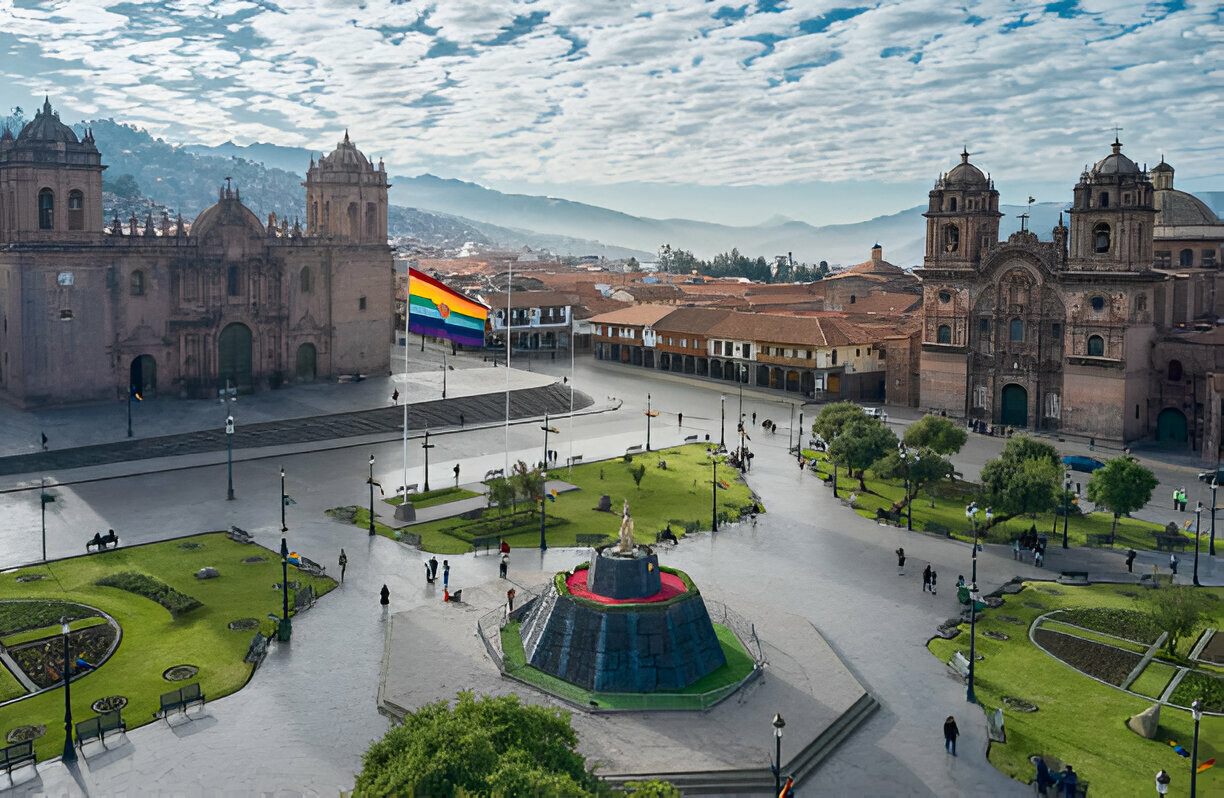
Lima sits on a Pacific-facing bluff and has been Peru’s capital since the Spanish founded it in 1535. The colonial centre around Plaza Mayor — the Government Palace, the Cathedral, the Archbishop’s Palace — is a UNESCO World Heritage site and the clearest reminder of the city’s role as the viceregal capital of Spanish South America.
Beyond the old centre, Lima is a city of neighborhoods. Miraflores sits on cliffs over the Pacific with a park running along the clifftop. Barranco, just south, is where the galleries, bars, and restored republican mansions cluster. Chorrillos keeps the fishing-village feel. Each has its own character.
The city’s museums are worth the time: the Larco Museum for pre-Columbian ceramics (with the famously explicit erotic gallery), MALI for a Peruvian survey from pre-Inca to modern, and the smaller Museo Pedro de Osma in Barranco for colonial religious art.
What really sets Lima apart now is the food. Central, Maido, and Astrid y Gastón sit in the World’s 50 Best lists year after year, and the ceviche, anticuchos, and Nikkei-Peruvian fusion that put the city on the map are available at every price point — from a cebichería lunch for under 30 soles to tasting menus that run several hundred dollars.
Three days is enough for the city centre, the museums, and a serious eating run through Miraflores and Barranco. More if you want to see Pachacamac or take day trips south along the coast.