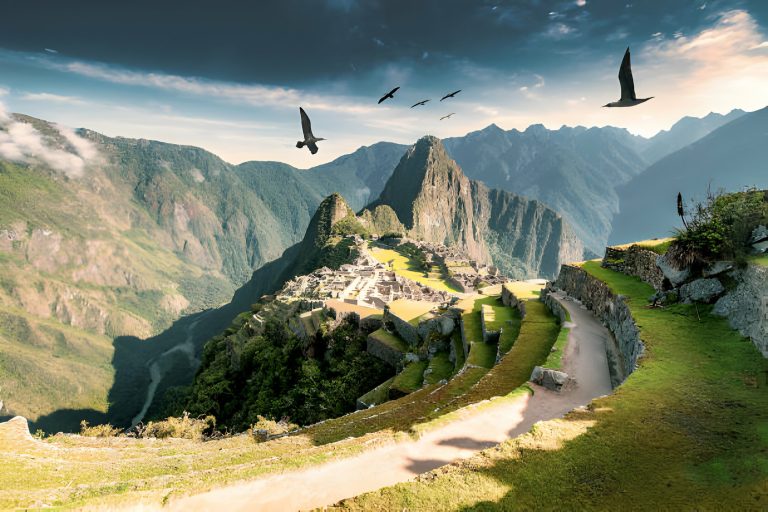
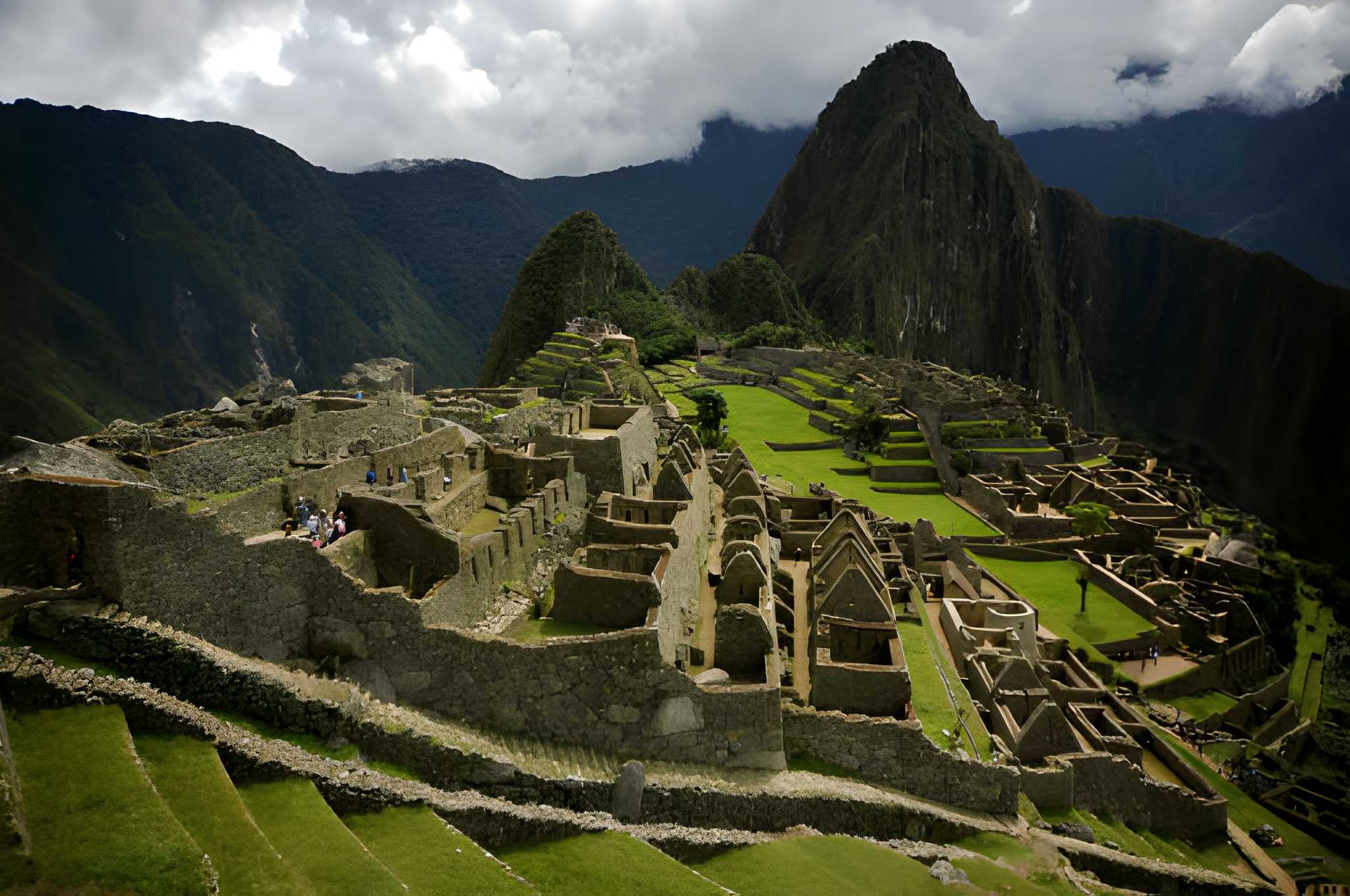
Machu Picchu, the iconic Incan citadel perched high in the Andes, continues to captivate travelers from around the world. As one of the most visited archaeological sites in South America, preserving this UNESCO World Heritage site has become increasingly important. In 2026, new visitor guidelines are being implemented to ensure that Machu Picchu remains a sustainable and protected treasure for generations to come.
Key Changes for Visitors in 2026
The Peruvian authorities have introduced several measures aimed at reducing environmental impact and overcrowding:
Timed Entry Tickets
To manage crowds more effectively, all visitors must now select a specific entry time when booking tickets. This change helps spread visitor traffic throughout the day, reducing congestion on trails and around the main structures.Limited Daily Capacity
The maximum number of daily visitors has been slightly reduced. This adjustment ensures a more enjoyable and safe experience while minimizing wear on the ancient stonework.Environmental Regulations
Plastic bottles, food wrappers, and other non-biodegradable materials are strictly prohibited inside the site. Trash bins are placed only at entry points, encouraging visitors to carry out what they bring in.
Tips for a Responsible Visit
Book in Advance: With stricter entry limits and timed tickets, advance booking is crucial. You can secure your visit easily through Peruways.
Arrive Early: Even with a timed ticket, arriving early allows you to acclimate to the altitude and enjoy quieter moments before the main crowds arrive.
Travel Light: Pack only essentials, and consider reusable water bottles and eco-friendly gear to reduce waste.
Follow Guide Instructions: For those on guided hikes, following your guide’s directions ensures both safety and preservation of the site.
Why These Changes Matter
Machu Picchu faces challenges from high foot traffic, erosion, and environmental pressures. By implementing these guidelines, Peru aims to balance tourism with conservation. Visitors not only enjoy a safer and more meaningful experience but also contribute to the long-term protection of this world wonder.
Plan Your Visit Today
Machu Picchu remains a bucket-list destination in 2026, offering breathtaking views, rich history, and unforgettable cultural experiences. To secure your spot under the new visitor guidelines, book your tickets and tours at Peruways. Planning ahead ensures that your journey is both responsible and unforgettable.
Preserving Machu Picchu is a shared responsibility, and with these new measures, travelers can help protect a global treasure while creating memories that last a lifetime.