Visiting Machu Picchu is a dream for many travelers. This breathtaking Inca citadel, nestled high in the Andes Mountains of Peru, offers unforgettable views, rich history, and a once-in-a-lifetime cultural experience. However, due to its high altitude and physical demands, it’s important to consider your health before planning your trip.
At Peruways, your safety and comfort are our top priorities. Here’s what you need to know about visiting Machu Picchu if you have certain medical conditions.
Understanding the Altitude
Machu Picchu sits at approximately 2,430 meters (7,970 feet) above sea level. While this is lower than Cusco (3,400 meters / 11,150 feet), many travelers spend time in both locations. The reduced oxygen levels at high altitude can affect the body, especially if you have underlying health issues.
Altitude sickness (soroche) can cause:
Headaches
Nausea or vomiting
Dizziness
Shortness of breath
Fatigue
For most healthy travelers, symptoms are mild and temporary. However, for some individuals, altitude exposure can pose serious risks.
Who Should Avoid or Postpone the Trip?
1. People with Severe Heart Conditions
If you have uncontrolled heart disease, recent heart surgery, severe coronary artery disease, or heart failure, high altitude may put extra strain on your cardiovascular system. Always consult your cardiologist before planning the trip.
2. Individuals with Chronic Lung Diseases
Travelers with severe asthma, chronic obstructive pulmonary disease (COPD), or other serious respiratory conditions may struggle with reduced oxygen levels. If your lung condition is not well controlled, it may be safer to reconsider.
3. Uncontrolled High Blood Pressure
While many people with well-managed hypertension can safely visit, uncontrolled high blood pressure increases the risk of complications at altitude. Medical clearance is strongly recommended.
4. Recent Surgery or Serious Illness
If you’ve recently had surgery (especially chest, heart, or brain procedures) or are recovering from a major illness, your body may not adapt well to altitude stress.
5. Advanced Pregnancy
Pregnant travelers—especially in high-risk or late-stage pregnancies—should consult their healthcare provider before traveling to high-altitude destinations like Machu Picchu.
Conditions That Usually Don’t Prevent Travel
Many travelers with well-controlled conditions successfully visit Machu Picchu every year. These may include:
Controlled diabetes
Mild, well-managed asthma
Stable heart conditions (with doctor approval)
General mobility limitations (with proper planning)
It’s essential to:
Acclimatize properly (spend 1–2 days in Cusco or the Sacred Valley before hiking)
Stay hydrated
Avoid alcohol initially
Take it slow
Physical Demands of the Visit
Even without hiking the Inca Trail, visiting Machu Picchu involves:
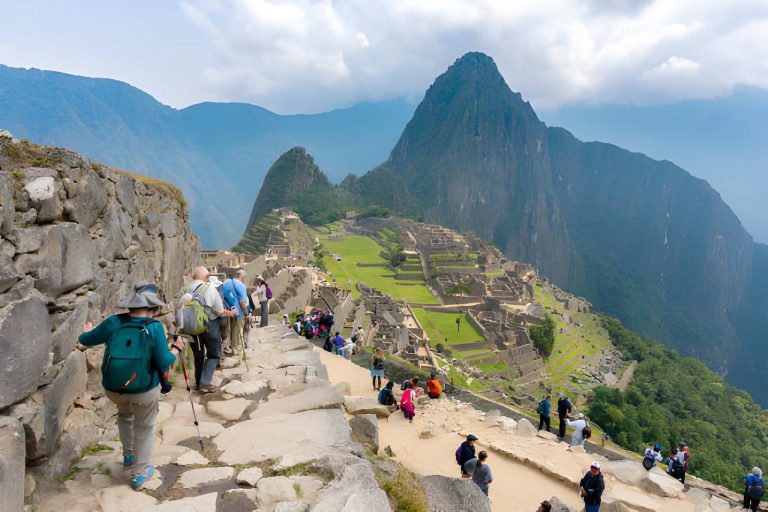
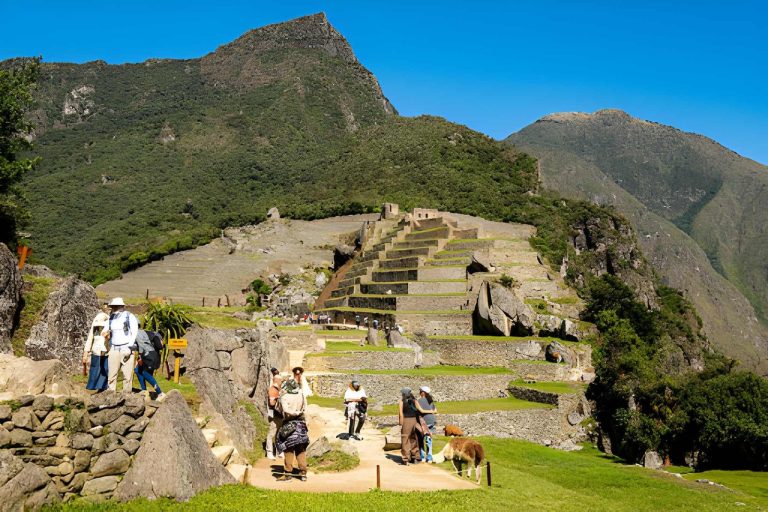
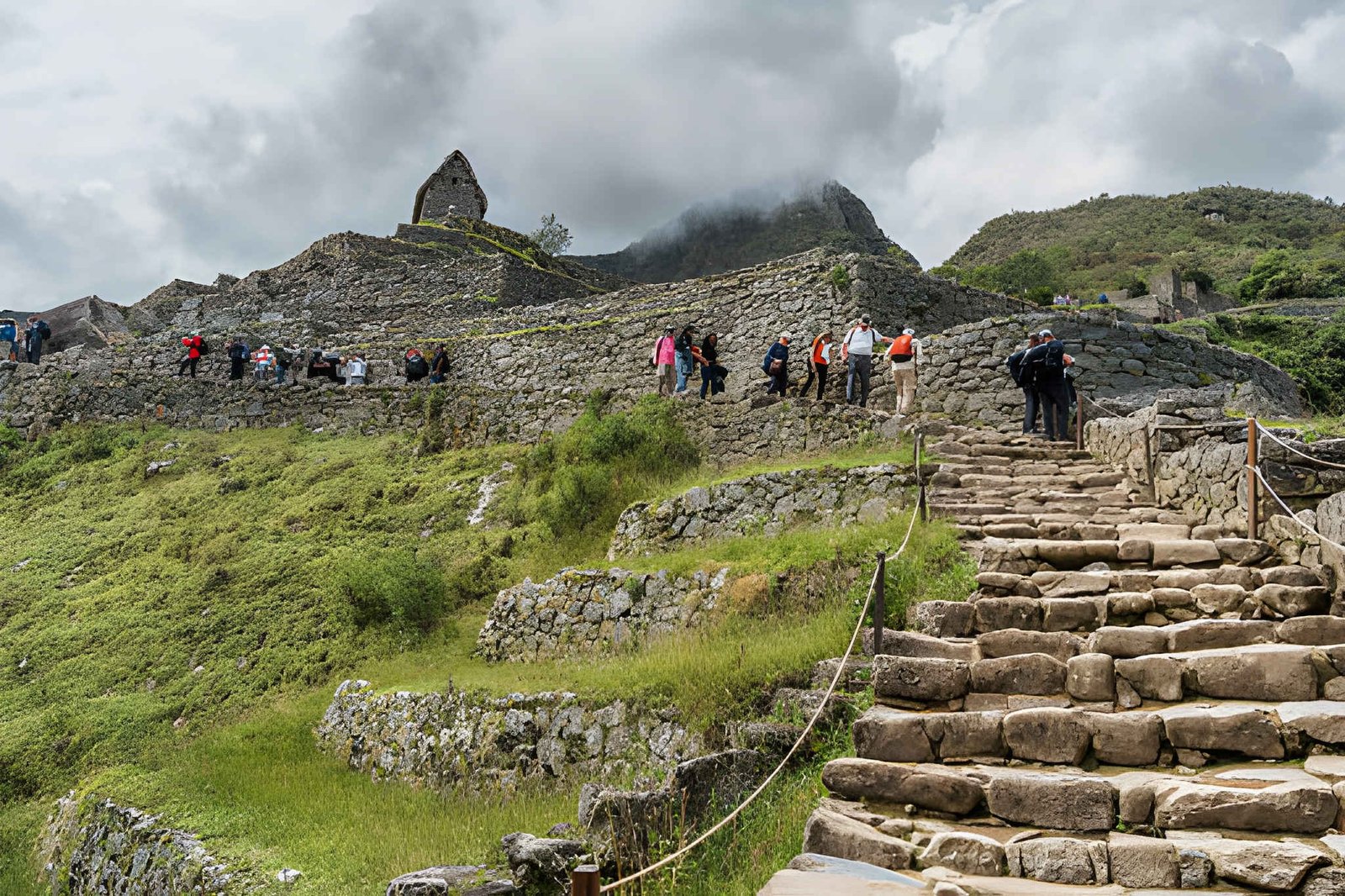
Walking on uneven stone paths
Climbing steep steps
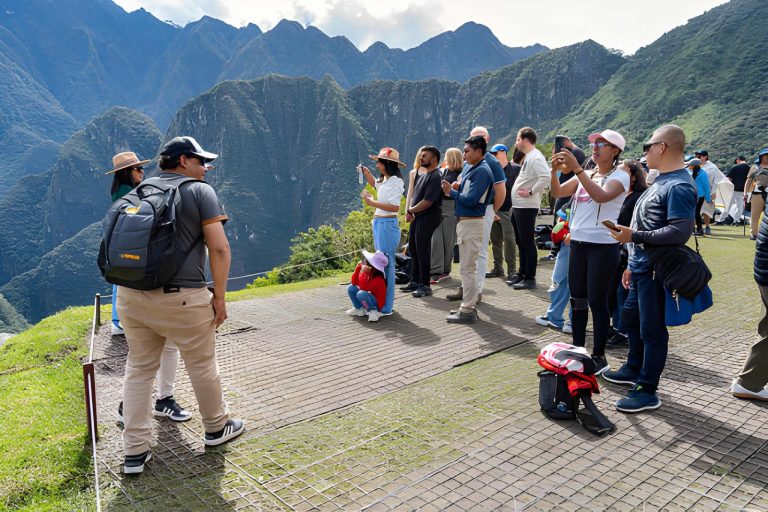
Spending several hours outdoors
If you have joint problems, balance issues, or limited mobility, you may find certain areas challenging. However, alternative circuits with less strenuous routes are available.
Always Consult Your Doctor
Before booking your trip, speak with your healthcare provider if you have any chronic medical condition. A simple check-up and proper advice can help ensure a safe and enjoyable experience.
Travel Safely with Expert Guidance
At Peruways, we help you plan your journey with your health and comfort in mind. Our experienced team can recommend acclimatization schedules, comfortable itineraries, and the best options tailored to your needs.
If you’re ready to experience the magic of Machu Picchu safely and confidently, visit us at 👉 https://peruways.comand let us help you design the perfect adventure.
Your dream trip to Peru starts with smart planning — and we’re here to guide you every step of the way.