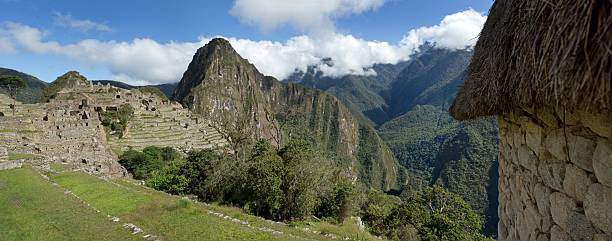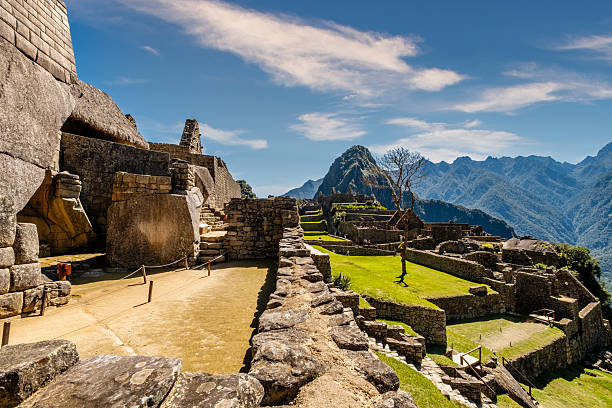
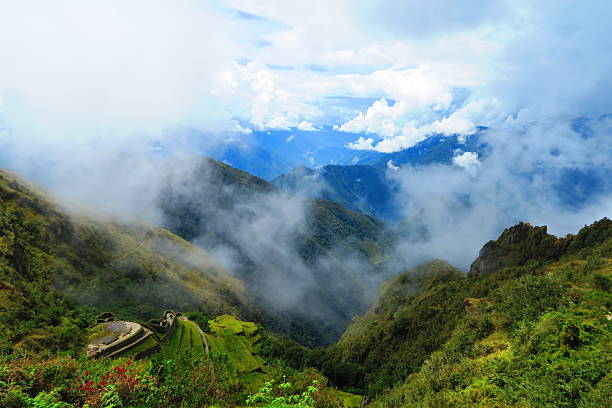
High in the Andes of southern Peru, Machu Picchu reveals the brilliance of Inca engineering and the strength of a powerful imperial system. More than a breathtaking archaeological site, this mountaintop citadel played an important role within the political and administrative framework of the Late Inca Empire.
The Organization of the Inca Empire
During the 15th century, the Inca ruler Pachacuti transformed a small Andean kingdom into a vast empire known as Tahuantinsuyo, meaning “The Four Regions Together.” He reorganized the state, strengthened central authority, and expanded territory across modern-day Peru, Ecuador, Bolivia, Chile, Argentina, and Colombia.
The empire operated through a highly structured administrative system. Leaders divided Tahuantinsuyo into four major regions, or suyus, each governed by officials who answered directly to the emperor in Cusco. Local administrators supervised smaller provinces, enforced imperial policies, organized labor, and managed agricultural production. Instead of monetary taxes, citizens contributed labor through a system known as mit’a, which supported public works, farming, and military campaigns.
To maintain control across mountains, deserts, and forests, the Incas built an extraordinary road network called Qhapaq Ñan. This vast system of roads and bridges connected distant provinces to the capital. Messengers, known as chasquis, ran in relay teams to deliver information quickly across the empire. Administrators recorded census data, harvest quantities, and state resources using quipus, intricate knotted cords that functioned as accounting tools.
Machu Picchu’s Role in Imperial Administration
Pachacuti ordered the construction of Machu Picchu around the mid-1400s. The site likely served as a royal estate, ceremonial center, and regional administrative hub. Its strategic location between the Andes and the Amazon allowed imperial leaders to strengthen political influence and economic integration in this frontier region.
The city’s design reflects careful planning and state organization. Agricultural terraces carved into steep slopes maximized food production and demonstrated advanced knowledge of engineering and irrigation. Storehouses, or qollqas, preserved maize, potatoes, and other crops for redistribution. Through this system, authorities supported the local population and reinforced economic stability.
Machu Picchu also housed skilled artisans who produced fine textiles, ceramics, and metal objects. These goods signaled imperial prestige and strengthened social hierarchy. Religious structures such as the Temple of the Sun and the Intihuatana stone highlighted the close relationship between political authority and sacred belief. The emperor, known as the Sapa Inca, ruled not only as a political leader but also as a divine representative of the sun god Inti.
A Living Legacy
Although Spanish forces conquered the Inca Empire in the 16th century, Machu Picchu survived hidden among the mountains. In 1911, American explorer Hiram Bingham III introduced the site to the international community, drawing global attention to Inca civilization. Today, Machu Picchu stands as a powerful symbol of innovation, organization, and cultural identity.
When you walk through its stone streets, you witness the administrative genius that allowed the Inca Empire to govern millions of people across challenging terrain. Machu Picchu tells a story of leadership, planning, and unity that continues to inspire travelers from around the world.
Ready to explore this extraordinary legacy for yourself? Discover unforgettable experiences in Peru and book your journey today at https://peruways.com. Let your adventure into Inca history begin.