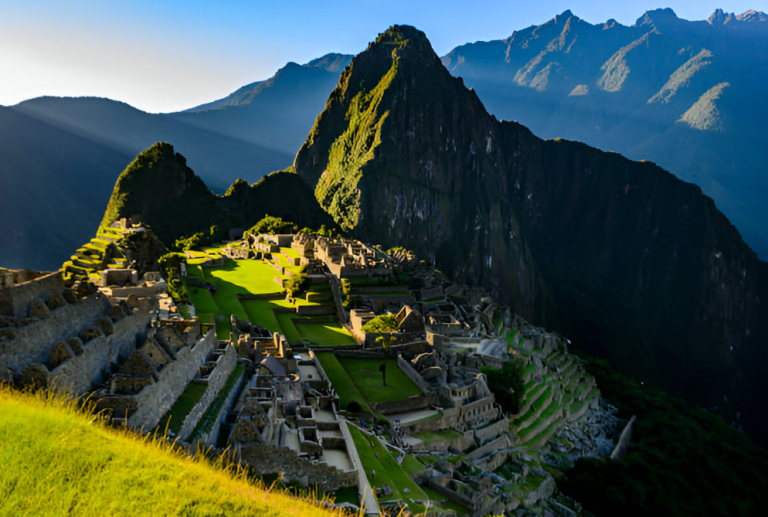
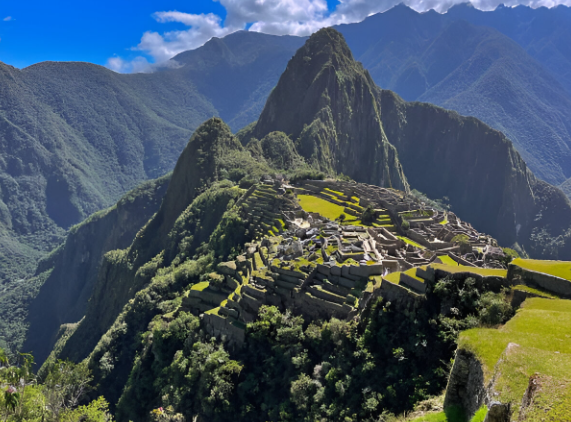
Understanding Machu Picchu’s elevation is crucial for a smooth and enjoyable visit. Located at approximately 2,430 meters (7,970 feet) above sea level, Machu Picchu sits high in the Andes Mountains. This elevation can impact visitors, especially those not accustomed to high altitudes.
The elevation of Machu Picchu means that some travelers might experience symptoms of altitude sickness, such as headaches, dizziness, or shortness of breath. To mitigate these effects, it’s advisable to spend a few days acclimatizing in Cusco or the Sacred Valley before ascending to Machu Picchu. Staying hydrated, eating light meals, and avoiding strenuous activities can also help your body adjust to the altitude.
The journey to Machu Picchu typically involves taking a train from Cusco or Ollantaytambo, both of which are at lower elevations. This gradual ascent helps ease the transition to the higher altitude of Machu Picchu. It’s essential to plan your trip carefully and be aware of the effects of high altitude on your body.
For more detailed information on acclimatization, travel tips, and how to handle altitude changes effectively, Peruways offers valuable insights and expert advice. Their comprehensive resources can help you prepare for the altitude and ensure a comfortable and enjoyable visit to Machu Picchu.
By planning ahead with the guidance of Peruways, you can make the most of your visit to this incredible site, overcoming the challenges of elevation and fully enjoying the breathtaking beauty of Machu Picchu.